The oldest Irish pub in New York City has quite a storied past. And after more than 170 years, remarkably little has changed.
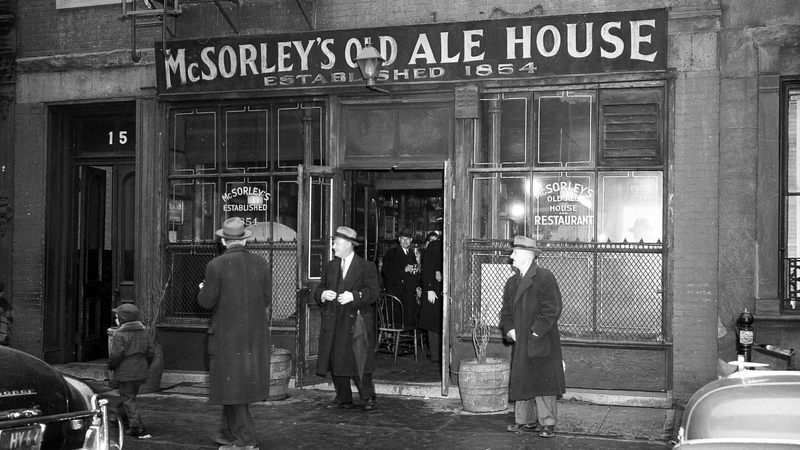
Walk into McSorley's Old Ale House at 15 East 7th Street in the East Village and you'll find sawdust on the floors, old photographs covering the walls, historic memorabilia and a bar that still serves just two kinds of ale, light and dark. It's one of those rare New York institutions where stepping through the front door feels like stepping back in time.
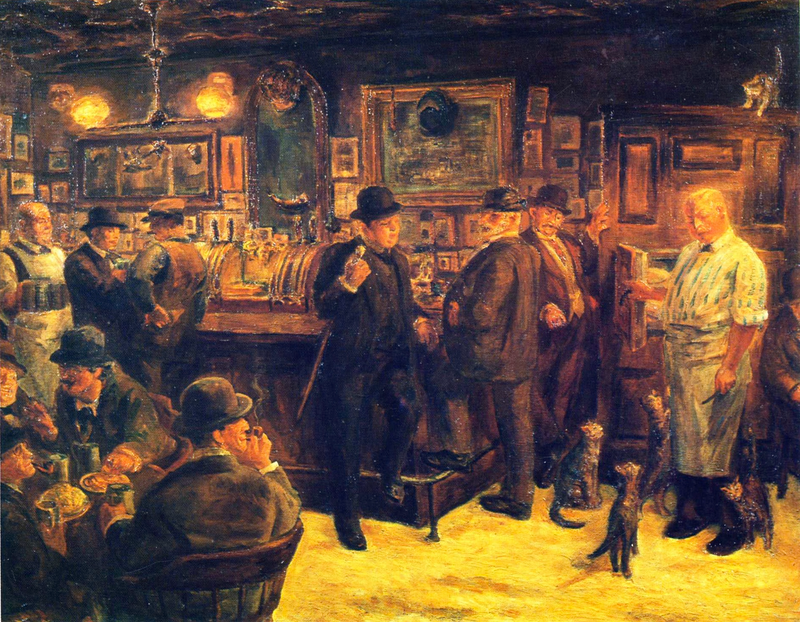
In 1851, John McSorley, an Irish immigrant from County Tyrone, arrived in New York City. According to the bar's history, three years later, in 1854, he opened a small saloon called The Old House at Home at 15 East 7th Street.
For the next half century, the establishment operated virtually unchanged, becoming a gathering place for generations of New Yorkers.
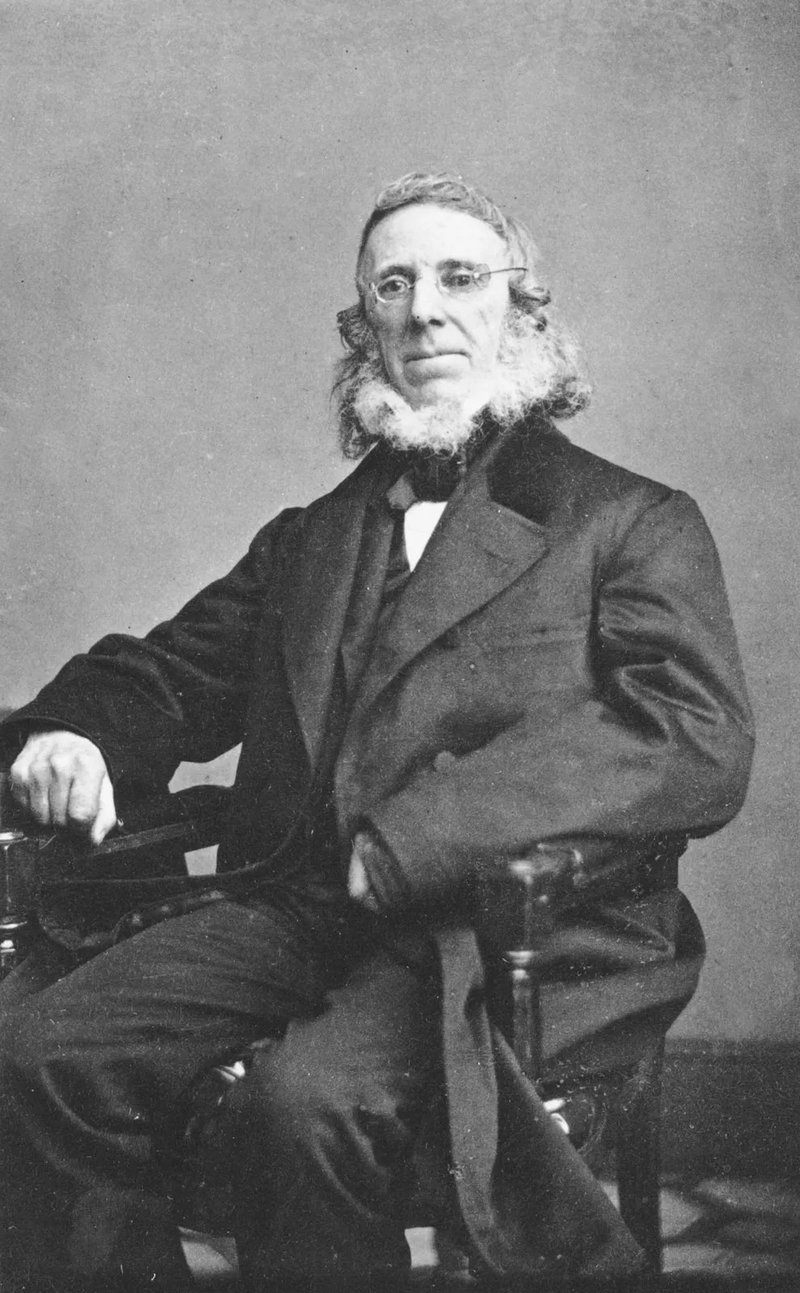
Among its early regulars was industrialist and philanthropist Peter Cooper, the founder of nearby Cooper Union and a close friend of John McSorley. Following Cooper's death in 1883, his favorite chair was retired, and a portrait of him still hangs in the back room.
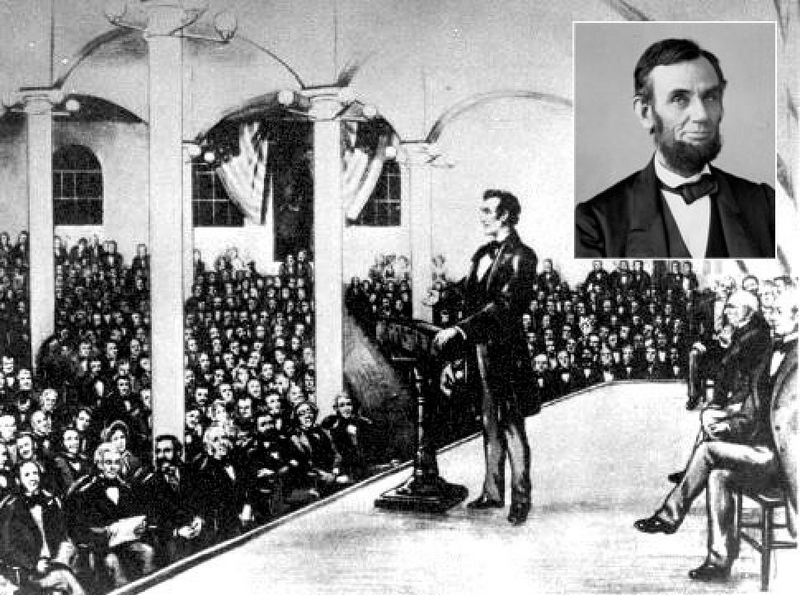
There's also a longstanding story that Abraham Lincoln stopped in for a drink following his famous 1860 speech at Cooper Union. Although the visit has never been conclusively documented, the bar proudly preserves its connection to Lincoln, including a framed wanted poster for his assassin, John Wilkes Booth.
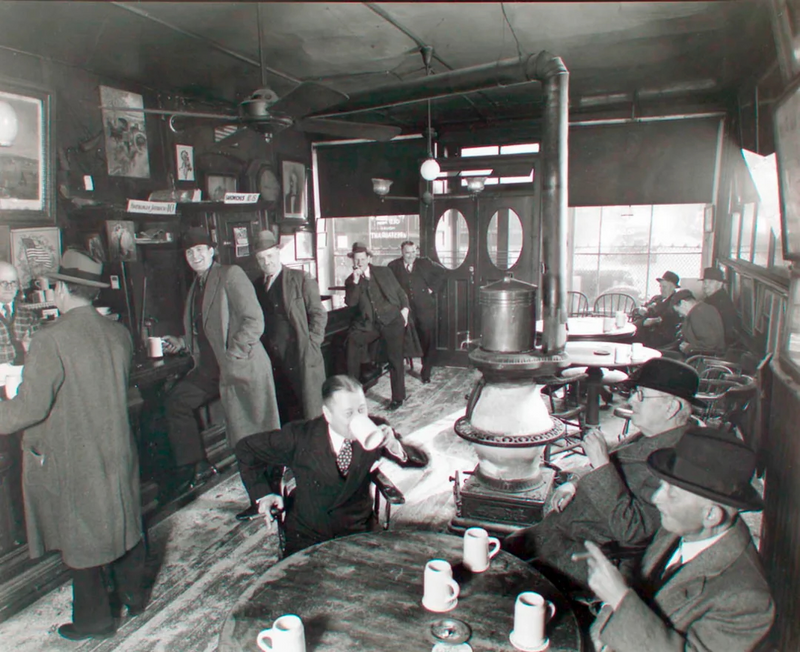
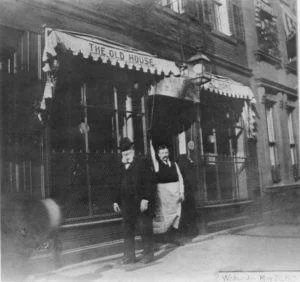
In 1905, McSorley's briefly experimented with serving hard liquor alongside its signature ale. The experiment didn't last long, and the bar returned to what it knew best.
Then, in 1908, a storm brought down the original sign. Its replacement read "McSorley's Old Time Ale House." Eventually, the word "Time" disappeared, leaving the name we know today.
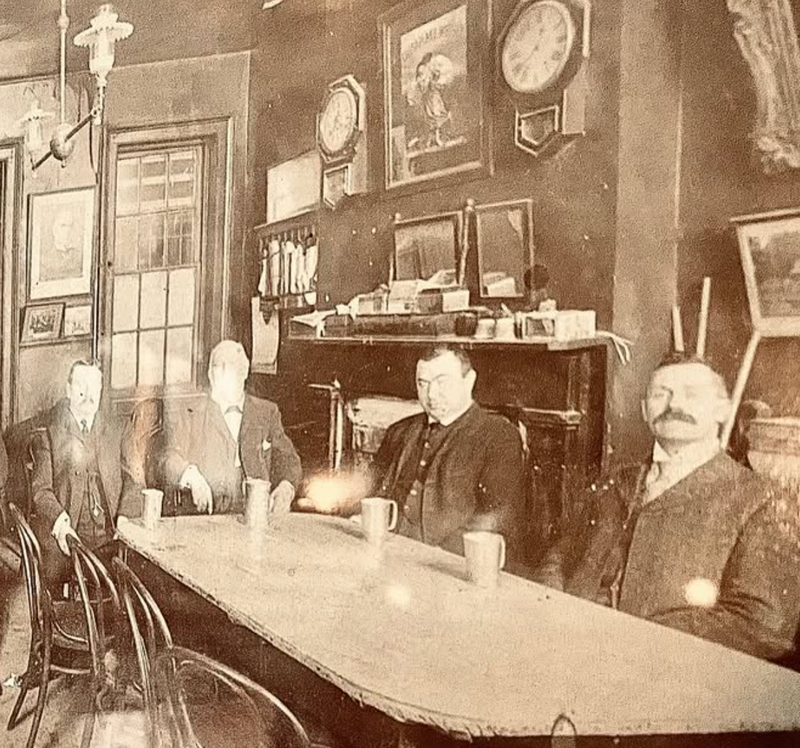
In 1910, John McSorley died in the apartment above his beloved bar at the age of 83. His son Bill took over, determined to preserve his father's legacy.
When Prohibition arrived in 1920, bars across New York were forced to close or find creative ways to survive. McSorley's began selling what it called "Near Beer," a low alcohol alternative that allowed the establishment to continue operating. According to the bar's lore, its connections to local politicians and police officers also helped it weather those difficult years.
When Prohibition finally ended in 1933, McSorley's was still standing.
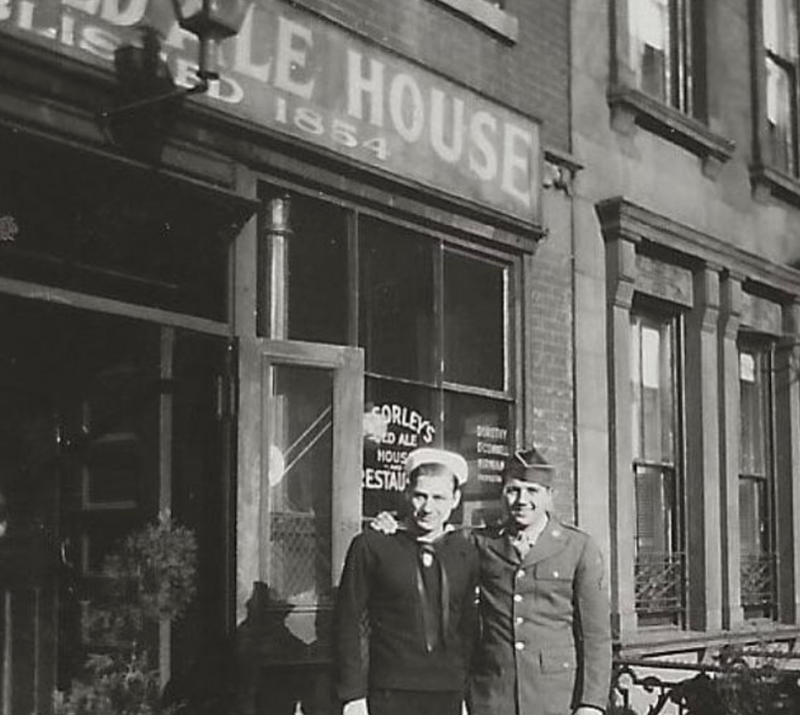
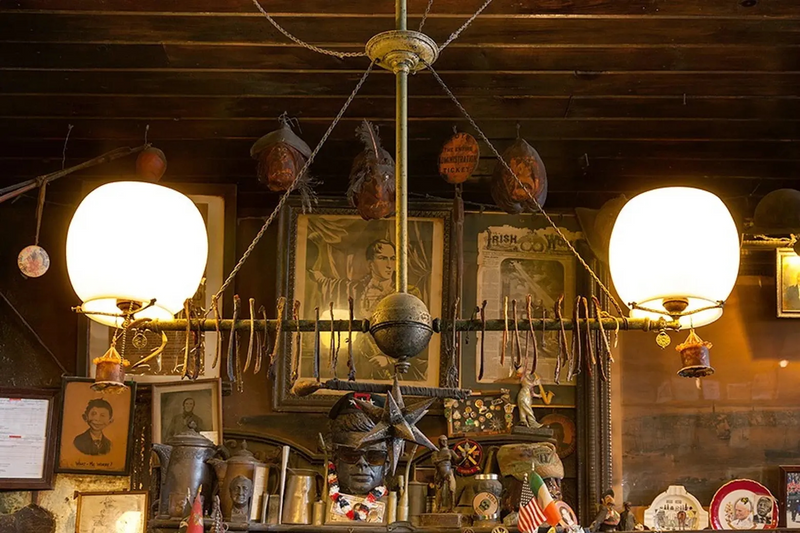
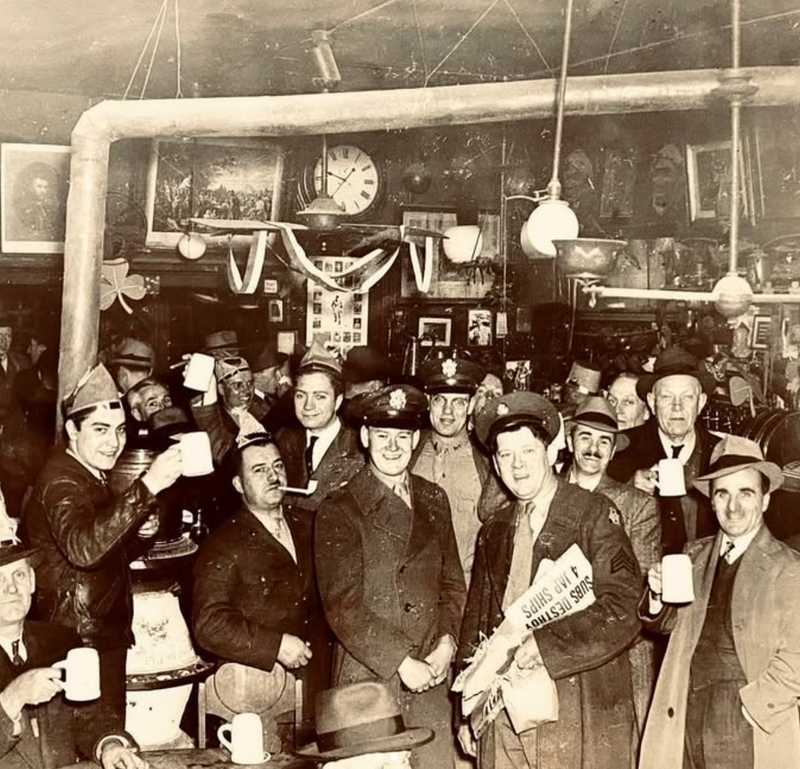
One of McSorley's most fascinating traditions dates back to World War I. Before departing for the front, young soldiers would gather at McSorley's for a farewell meal of turkey and ale. After eating, they placed their turkey wishbones on the lamp rail above the bar, hoping for good luck and a safe return.
According to tradition, soldiers who returned home would retrieve their wishbones and celebrate. Unfortunately, not everyone came back. Look above the bar today and you'll still see a collection of dusty wishbones, said to have been left behind by soldiers who never returned from the war.
It's one of the most poignant reminders of just how much history has passed through this little East Village saloon.
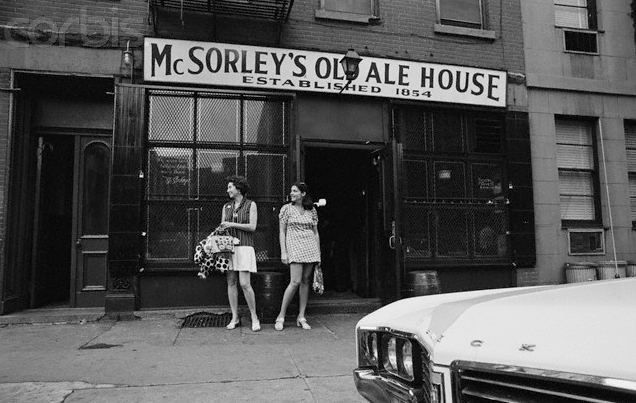
For much of its history, McSorley's operated under a famously uncompromising motto: "Good Ale, Raw Onions, and No Ladies."
Women were prohibited from entering the establishment, a policy that McSorley's defended well into the twentieth century. The owners resisted changing the tradition so fiercely that they even considered turning the bar into a private club to avoid admitting women.
But following a federal discrimination lawsuit and changes to New York City's laws, McSorley's finally opened its doors to women in 1970.
A women's restroom wasn't installed until 1986.
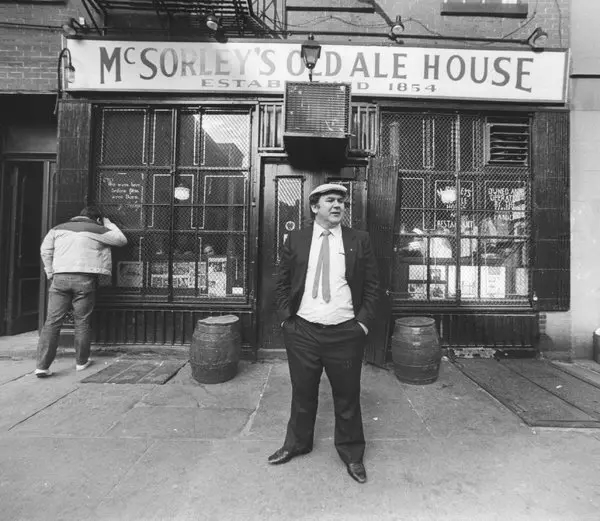
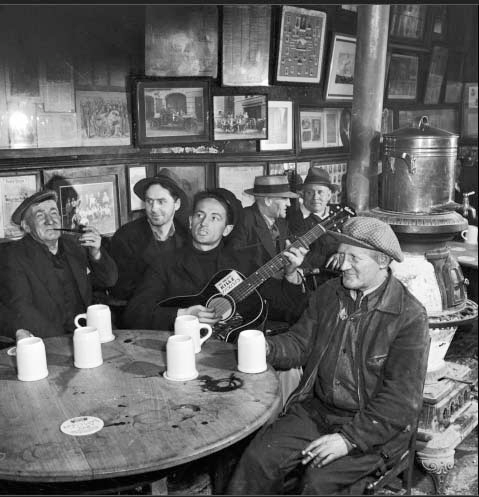
In 1936, Bill McSorley sold the bar to Daniel O'Connell, a longtime patron and retired New York City police officer.
Following O'Connell's death in 1939, ownership passed to his daughter Dorothy and eventually the Kirwan family. Despite changing hands, the bar remained remarkably faithful to its original character.
In 1977, longtime bartender Matthew "Matty" Maher purchased McSorley's, becoming the third family to own the historic establishment.
Over the years, McSorley's attracted an extraordinary collection of New Yorkers, including writers, artists, politicians and musicians. Poet e.e. cummings wrote about the bar, artist John Sloan immortalized it in his paintings, and journalist Joseph Mitchell introduced it to a wider audience in his celebrated 1940 New Yorker article.
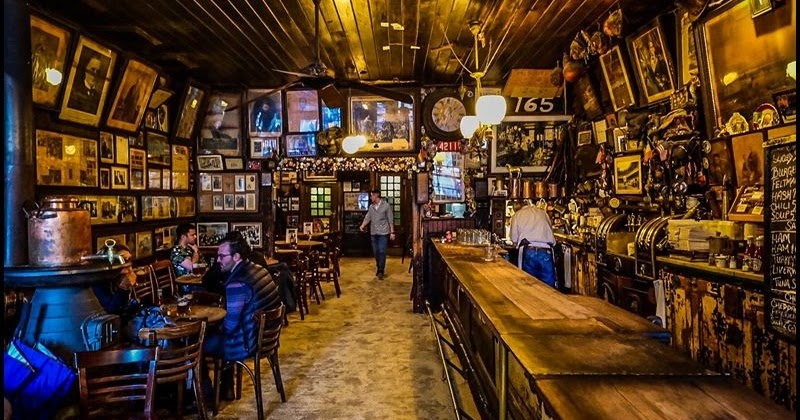
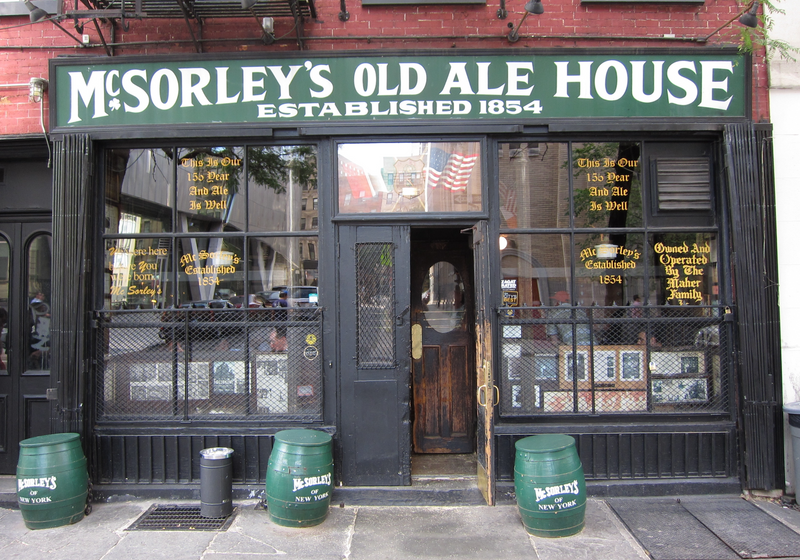
More than 170 years after its traditional founding date, McSorley's remains one of New York City's most beloved drinking establishments. The sawdust is still scattered across the floor. The walls remain covered with generations of memorabilia. And if you're looking for cocktails, get out.
Light ale or dark ale… simplicity is beauty.
It's a place that has survived wars, Prohibition, changing ownership and the constant reinvention of New York City, all while stubbornly holding on to its identity. In a city where almost everything eventually changes, here's a little piece of old New York that refuses to go.
Just remember the house rule:
"Be Good or Be Gone!"