Central Park
Central Park: A New Yorker's Backyard
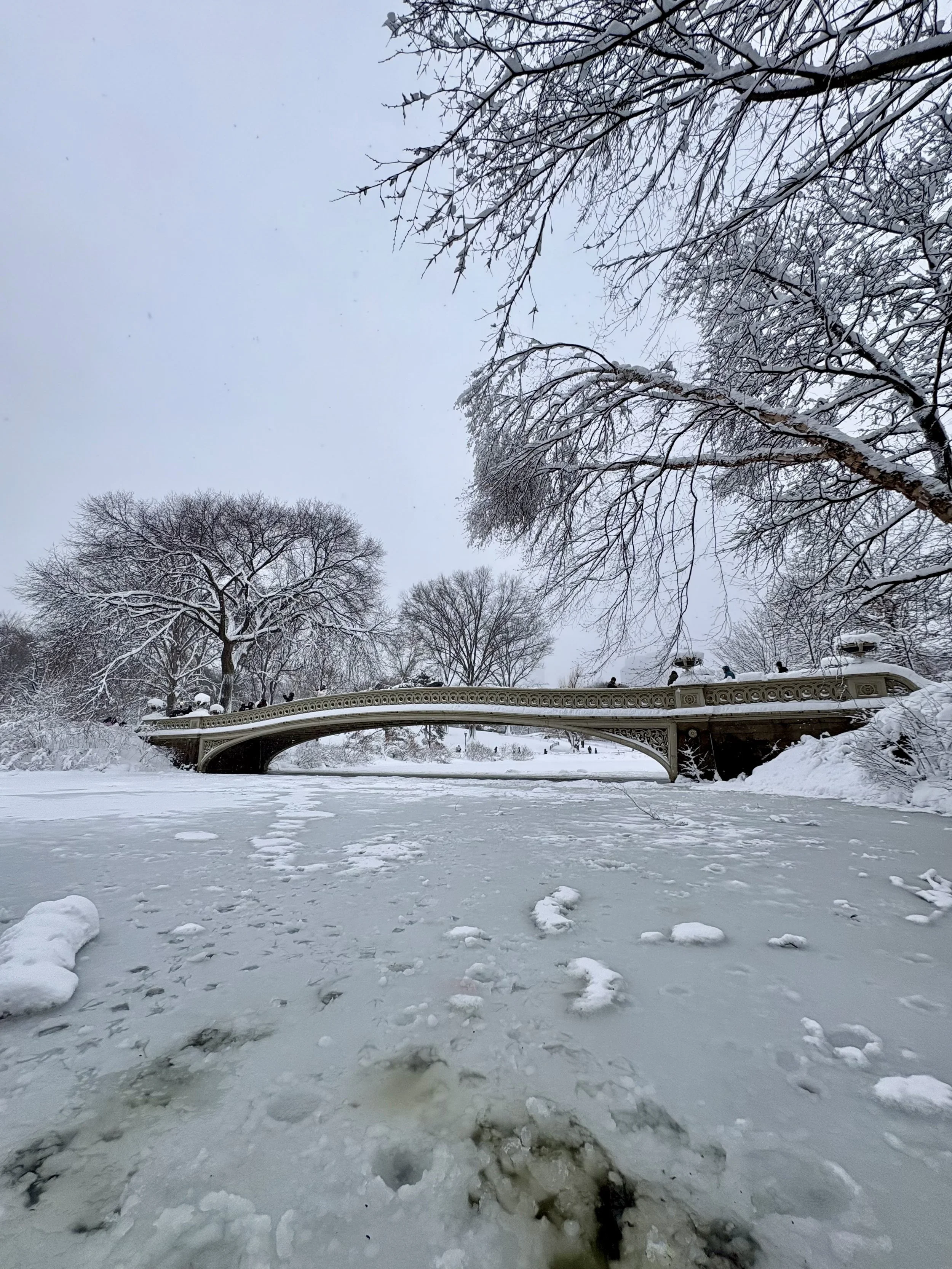
As a New Yorker who's lived in the city for over a quarter of a century, Central Park has played a pivotal role in my daily life. It's my backyard, 843 acres of green space, my personal playground, and a place riddled with history and hidden corners that I'm still discovering after all these years.
My friends and I have spent countless spring and summer afternoons picnicking in the park, along with thousands of other New Yorkers. I've been to more birthday parties here than I can remember, and I'm often jealous of my friends born during the warmer months. As a February baby, a picnic birthday party isn't really an option, although I did celebrate one year with an ice skating party at Wollman Rink.
I also love finding a quiet spot to sit and read, surrounded by the trees and temporarily escaping the noise of the city. I've discovered at least five waterfalls hidden throughout the park's wooded areas, along with three of John Randel Jr.'s famous survey markers from the Commissioners' Plan of 1811, marking where Manhattan's streets would have intersected had the grid continued through the park. There's even a 3,400 year old Egyptian obelisk keeping watch over the runners and cyclists passing by.
And as a runner, I honestly couldn't imagine a more beautiful or interesting place to train. There are countless paths and routes to explore, with varying distances, elevations and terrain, from the paved loops to the dirt and gravel of the Bridle Path. Even after thousands of miles running through the park, I still find something new to appreciate.
For me, Central Park isn't simply a place to visit. It's part of what makes living in New York so extraordinary.
Central Park is the beating heart of New York City.
The History of Central Park
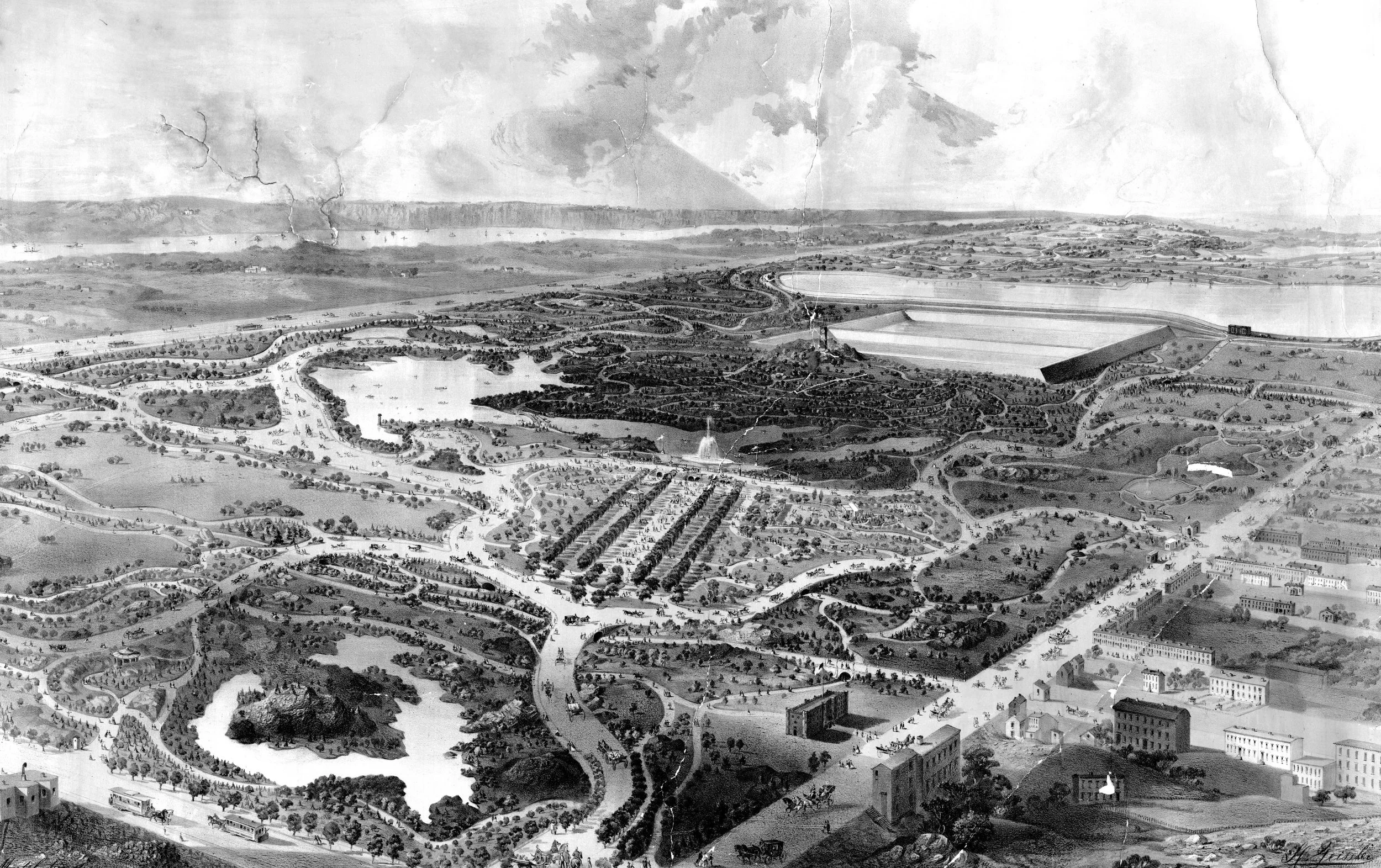
It's hard to imagine Manhattan without Central Park, but in the early 19th century, much of the land that would become the park was a rugged landscape of rocky outcroppings, swamps, small farms and scattered settlements. Then again, much of northern Manhattan looked like that at the time. As New York City's population exploded and development pushed northward, the need for a large public green space became increasingly apparent. In 1853, the New York State Legislature authorized the creation of Central Park, setting aside more than 700 acres of land in the middle of Manhattan.
But that land wasn't empty. Among the communities that existed there was Seneca Village, a predominantly African American settlement established in 1825 near what is now the park's western edge in the 80s. In fact, you can still visit the site today, where historical markers tell the story of the people who once lived there. The village was home to property owners, churches, a school and a thriving community. In 1857, its residents, along with others living within the proposed park boundaries, were displaced through eminent domain. It's an important and often overlooked chapter in Central Park's history.
In 1858, landscape architect Frederick Law Olmsted and architect Calvert Vaux won a competition to design the new park with their ambitious Greensward Plan. Their vision was to create a sweeping natural landscape in the middle of an increasingly crowded city. What makes Central Park so remarkable is that much of what appears natural was actually designed and constructed. Millions of cubic yards of earth and rock were moved, swamps were drained and hundreds of thousands of trees and shrubs were planted. Even the park's picturesque lakes and winding pathways were carefully planned. And tucked away in the North Woods are remnants of fortifications that predate the park itself.
Central Park officially opened its first section to the public in 1858, although construction continued for years afterward. The park has experienced periods of decline and remarkable restoration, particularly with the establishment of the Central Park Conservancy in 1980, which helped transform its deteriorating landscapes into the beautiful public space we enjoy today.
Central Park is filled with fascinating reminders of New York's past, many of which are hiding in plain sight. From a forgotten military fort tucked away in the North Woods to a glamorous restaurant that once attracted the city's high society, there's far more history here than most visitors realize. I've spent years exploring these places, and below are a few of my favorite stories.
Hidden History & Forgotten Places
The Central Park Boathouse
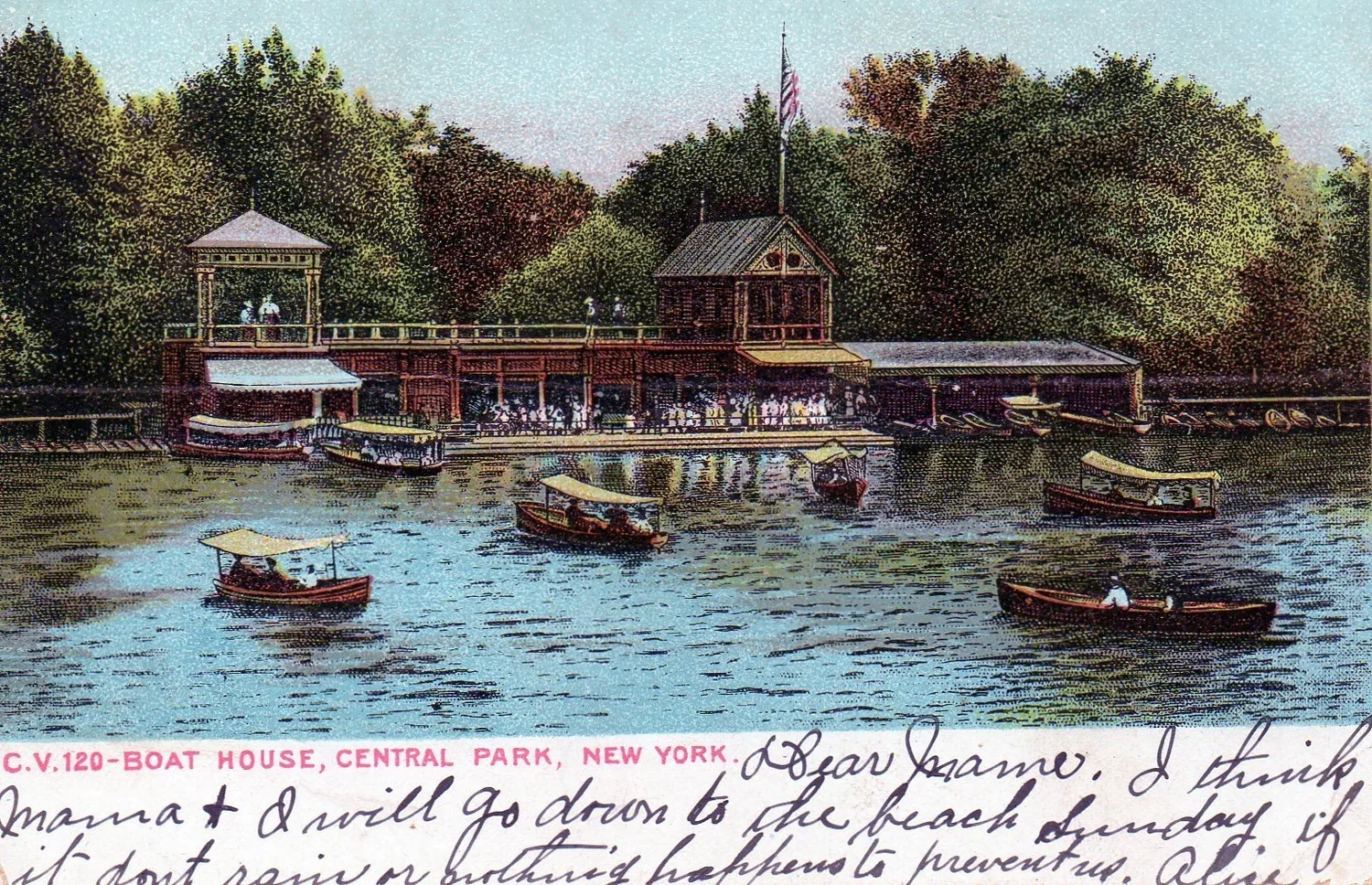
The Central Park Boathouse is one of my favorite places to stop and admire the scenery, but did you know the building you see today is actually the third boathouse to occupy the park? The first was designed by Calvert Vaux in the 1870s, and the current Loeb Boathouse opened in 1954. It's a fascinating story of how one of Central Park's most beloved destinations has evolved over the past 150 years.
Heckscher Playground
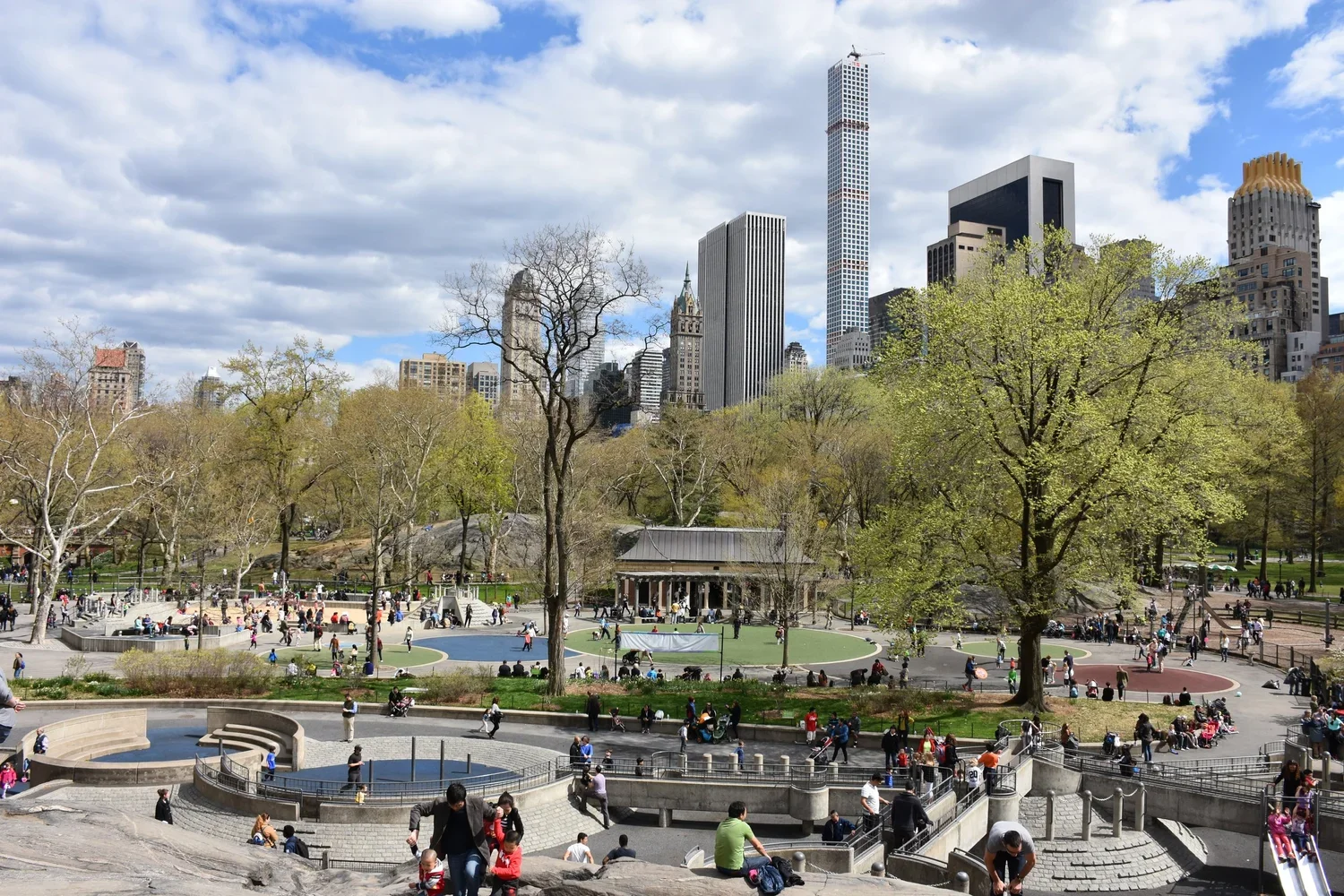
Today, playgrounds are such a familiar part of Central Park that it's hard to imagine the park without them. But when philanthropist August Heckscher funded its first playground in 1926, not everyone was happy about it. Some wealthy New Yorkers thought it would disrupt the park's tranquility. Fortunately, the children won that argument. And if you look closely at the old stone entrance gates, you'll find a wonderful reminder of Heckscher's gift to the city.
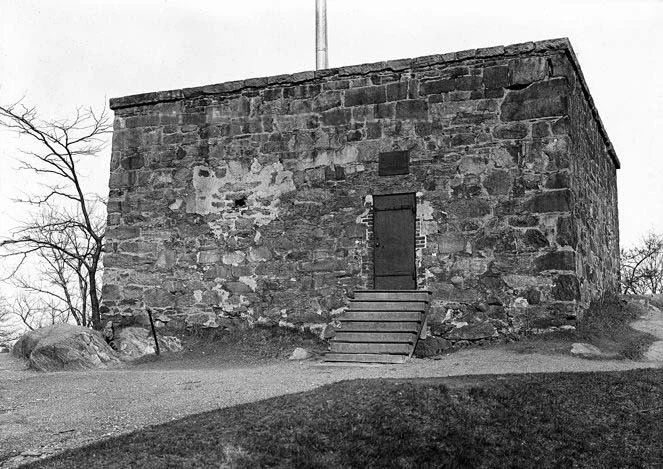
The Central Park Blockhouse
Hidden deep in Central Park's North Woods is a small stone fortification that predates the park itself. Built during the War of 1812 as part of New York City's defenses against a possible British invasion, the Blockhouse is one of the oldest surviving structures in the park. It's easy to walk right past without realizing that this little pile of stones is more than 200 years old.
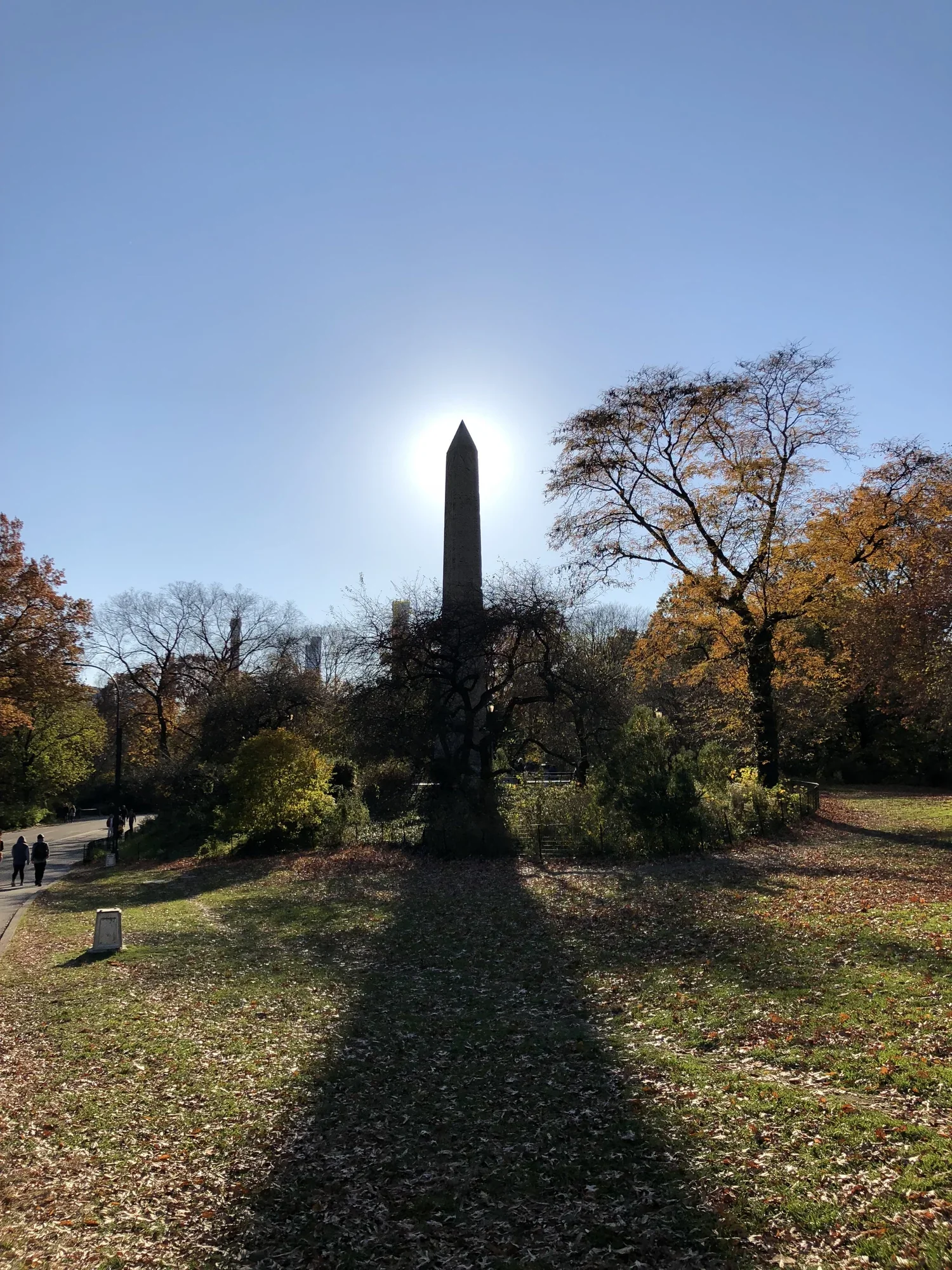
Cleopatra’s Needle
Just behind the Metropolitan Museum of Art stands one of the most extraordinary monuments in New York City, a 3,500 year old Egyptian obelisk known as Cleopatra's Needle. I run past it all the time and still find it remarkable that something so ancient ended up in the middle of Central Park. Getting the 200 ton monument from Egypt to Manhattan in 1880 was an engineering adventure involving a ship, a specially built railroad and plenty of New York ingenuity. And the story of how we acquired it is just as entertaining.
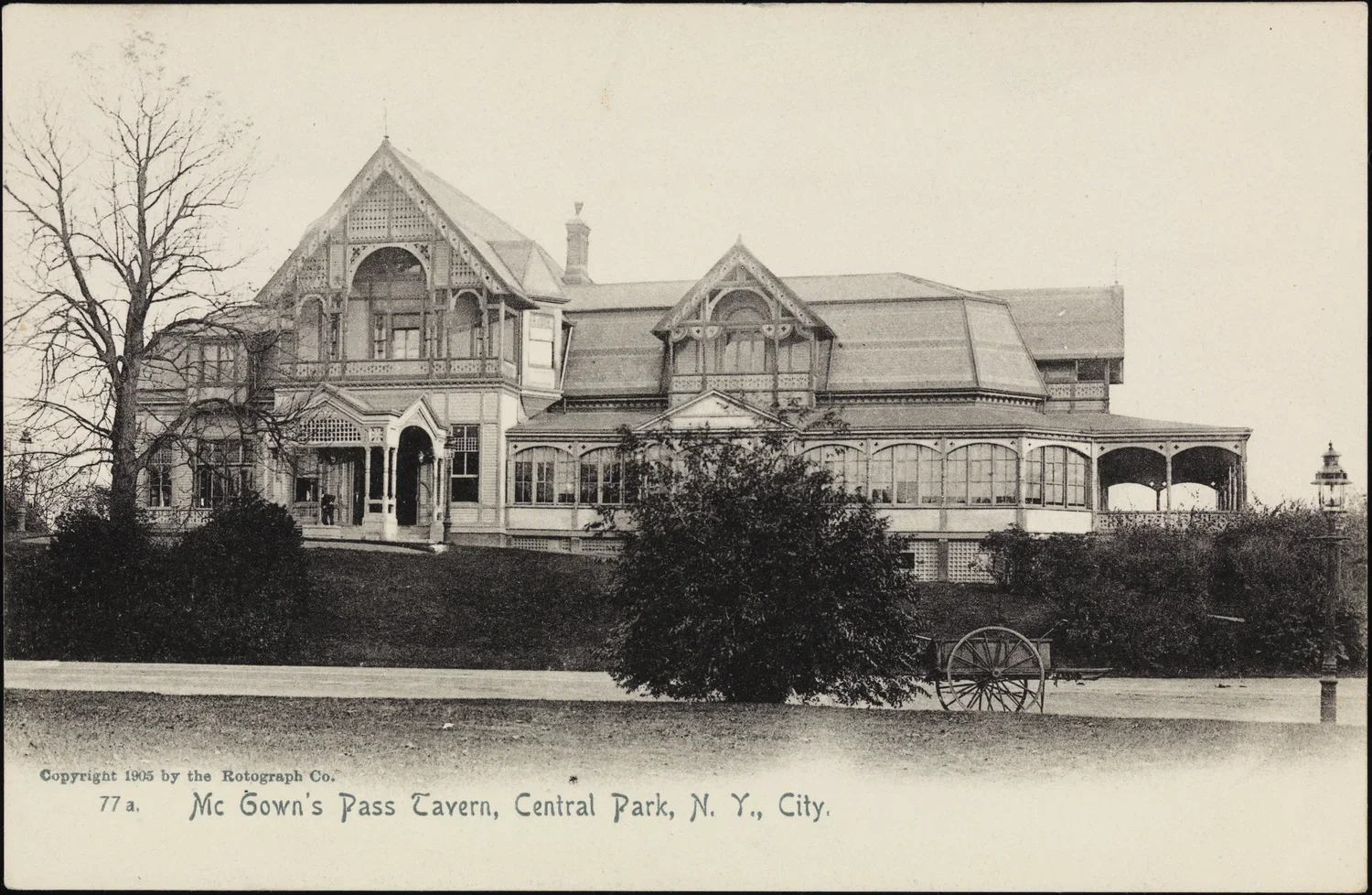
Mount St. Vincents
Long before Central Park existed, the area around McGowan's Pass had a fascinating history of its own. Over the years, it was home to a tavern, a convent and a school, and later became a popular destination for New Yorkers looking to escape the city. Today, much of that history has disappeared, but if you know where to look, you can still find traces of the old Mount St. Vincent buildings hidden among the trees.
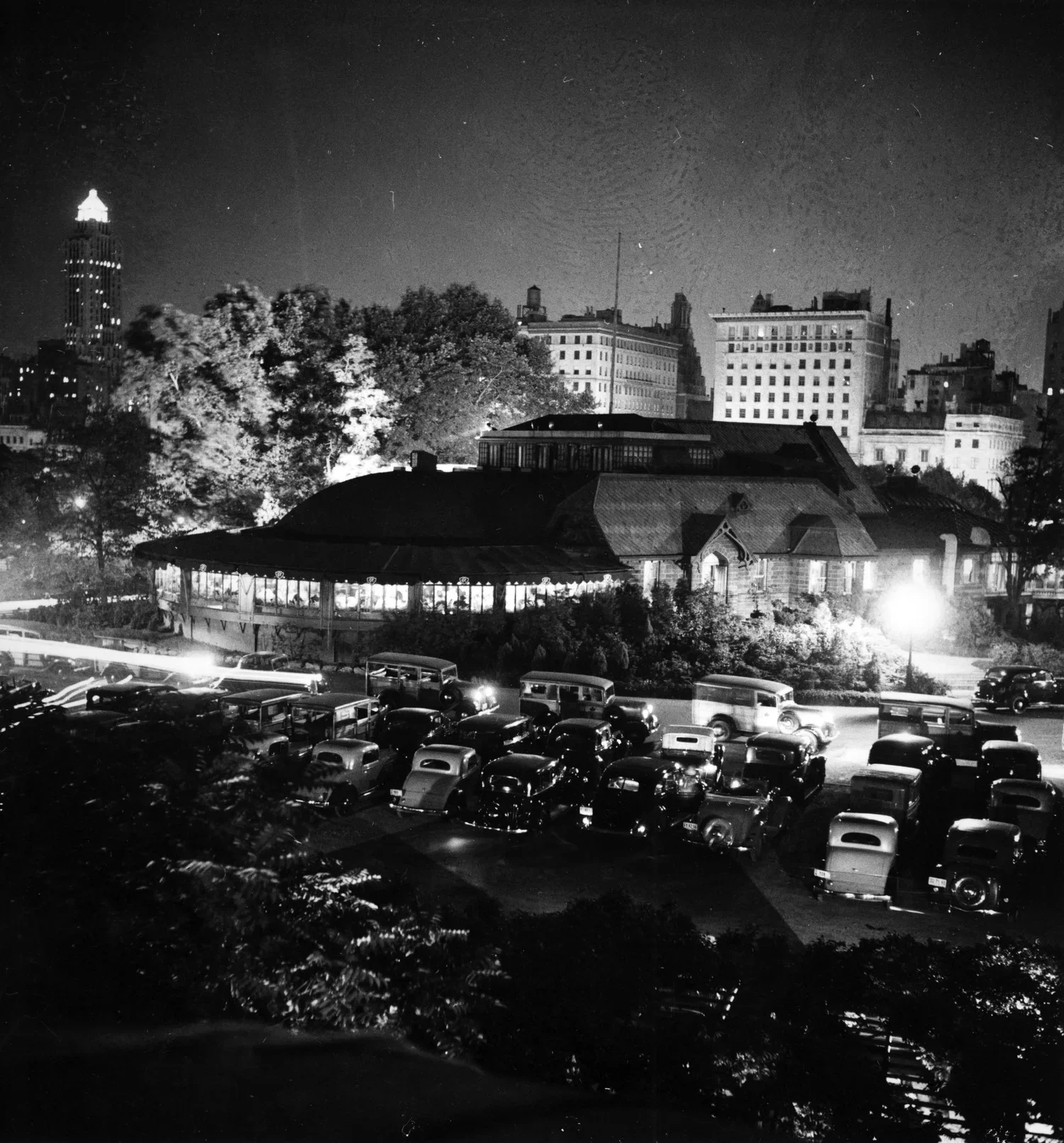
The Central Park Casino
Did you know Central Park once had a glamorous restaurant and nightclub that attracted some of New York's most fashionable residents? The Central Park Casino became a celebrated destination during the 1920s and 1930s, offering elegant dining and entertainment in the middle of the park. The building is long gone, but its story is a fascinating glimpse into an era when Central Park was as much about high society as it was about escaping the city.
Exploring Central Park
One of the things I love most about Central Park is that there's no single way to enjoy it. You can spend an afternoon picnicking with friends, run six miles around the main loop, rent a rowboat on the Lake or simply wander until you discover somewhere you've never been before.
And with 843 acres to explore, there's always something new to see. Here are a few of my favorite ways to experience the park, along with some of its most beautiful landmarks and hidden corners.
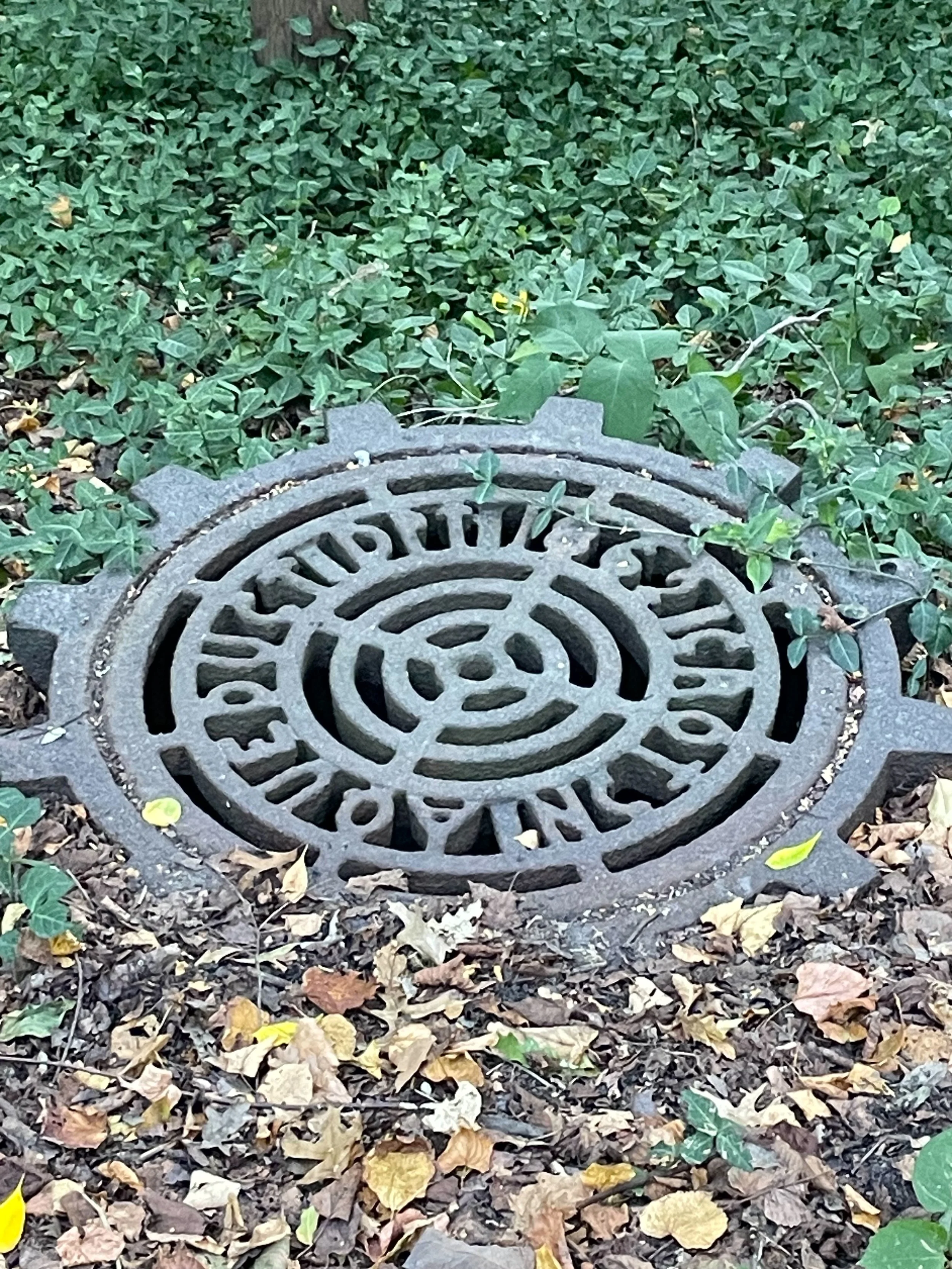
The oldest manhole cover in Manhattan, can you find it?
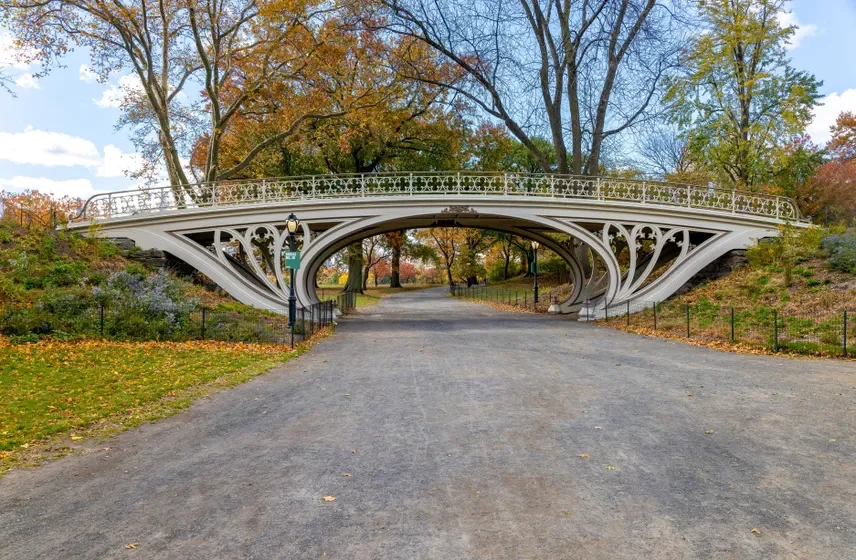
Running in Central Park
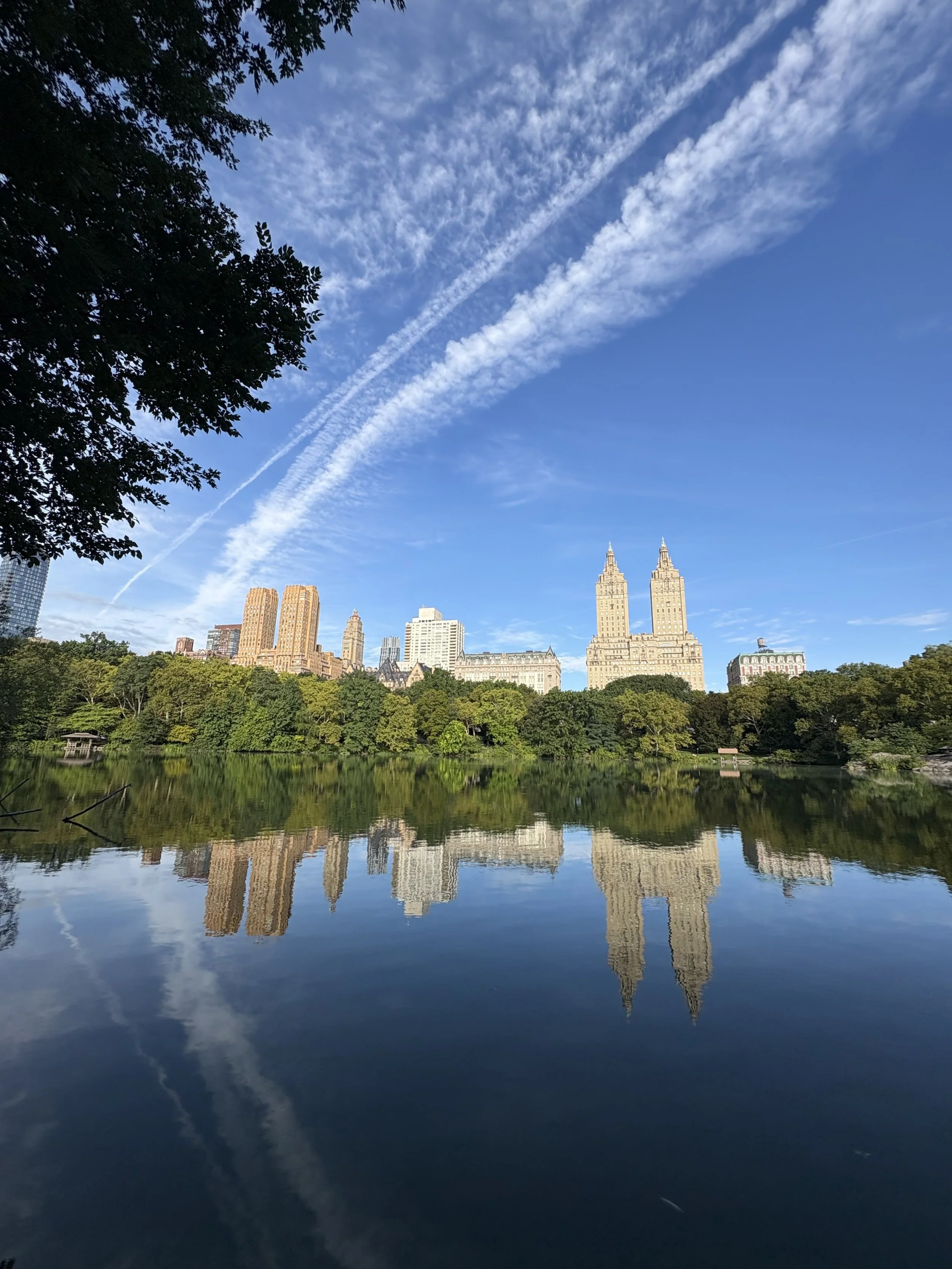
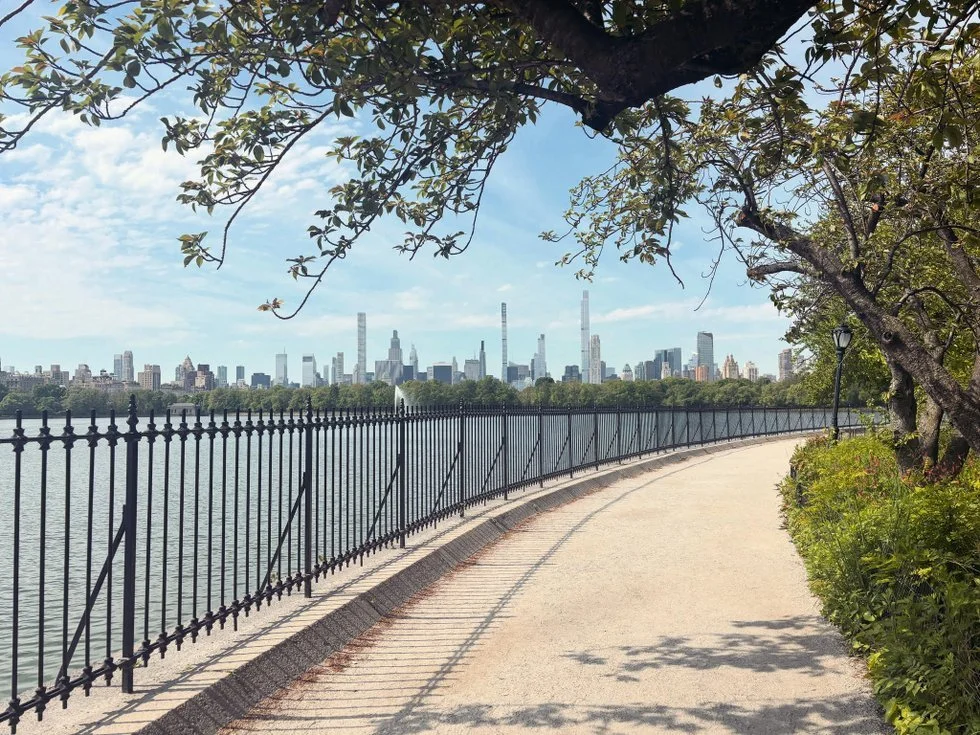
Central Park is a fantastic place to run. Follow the link below to learn some of my favorite routes, complete with maps!
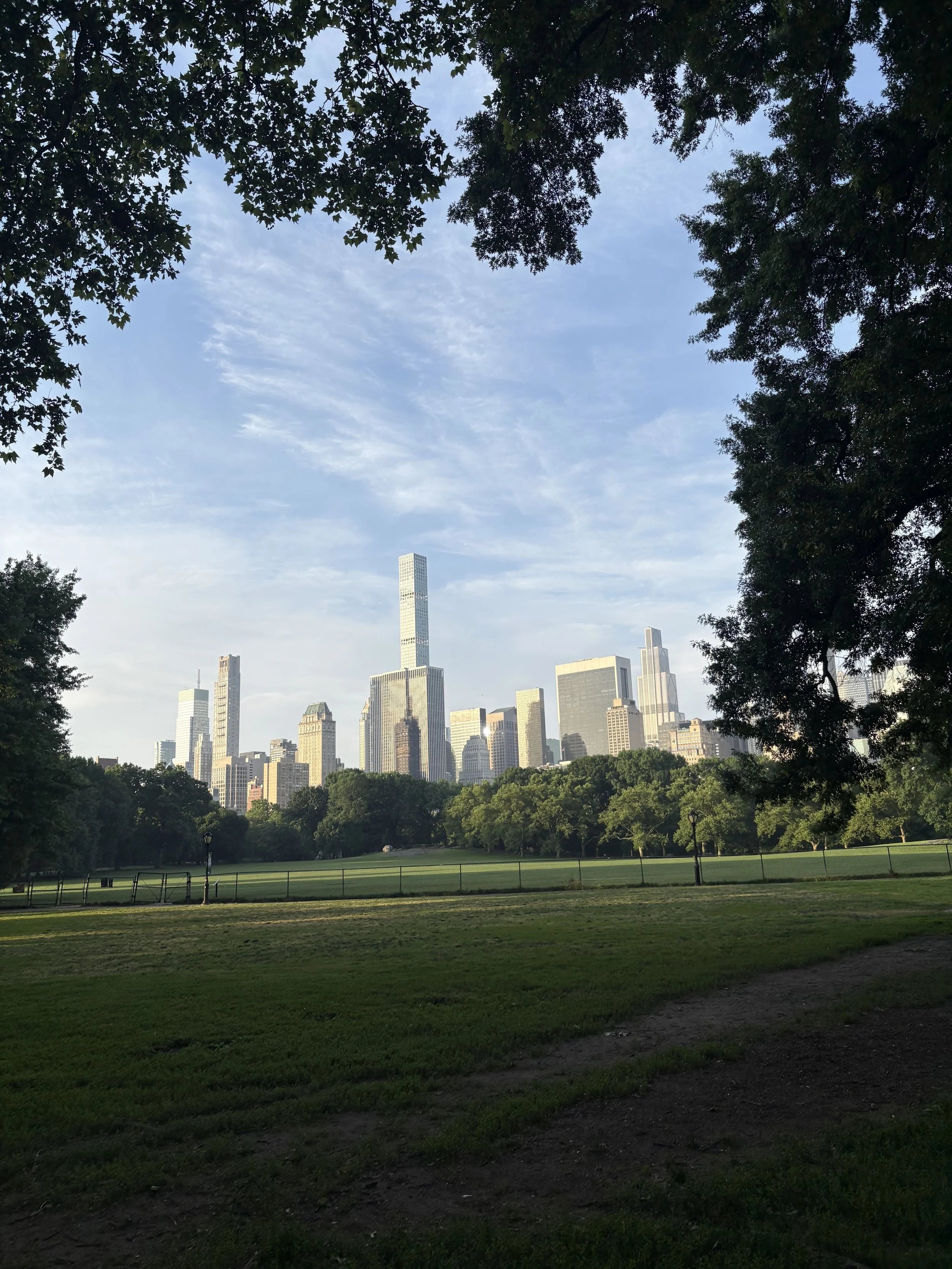
Picnicing in Central Park
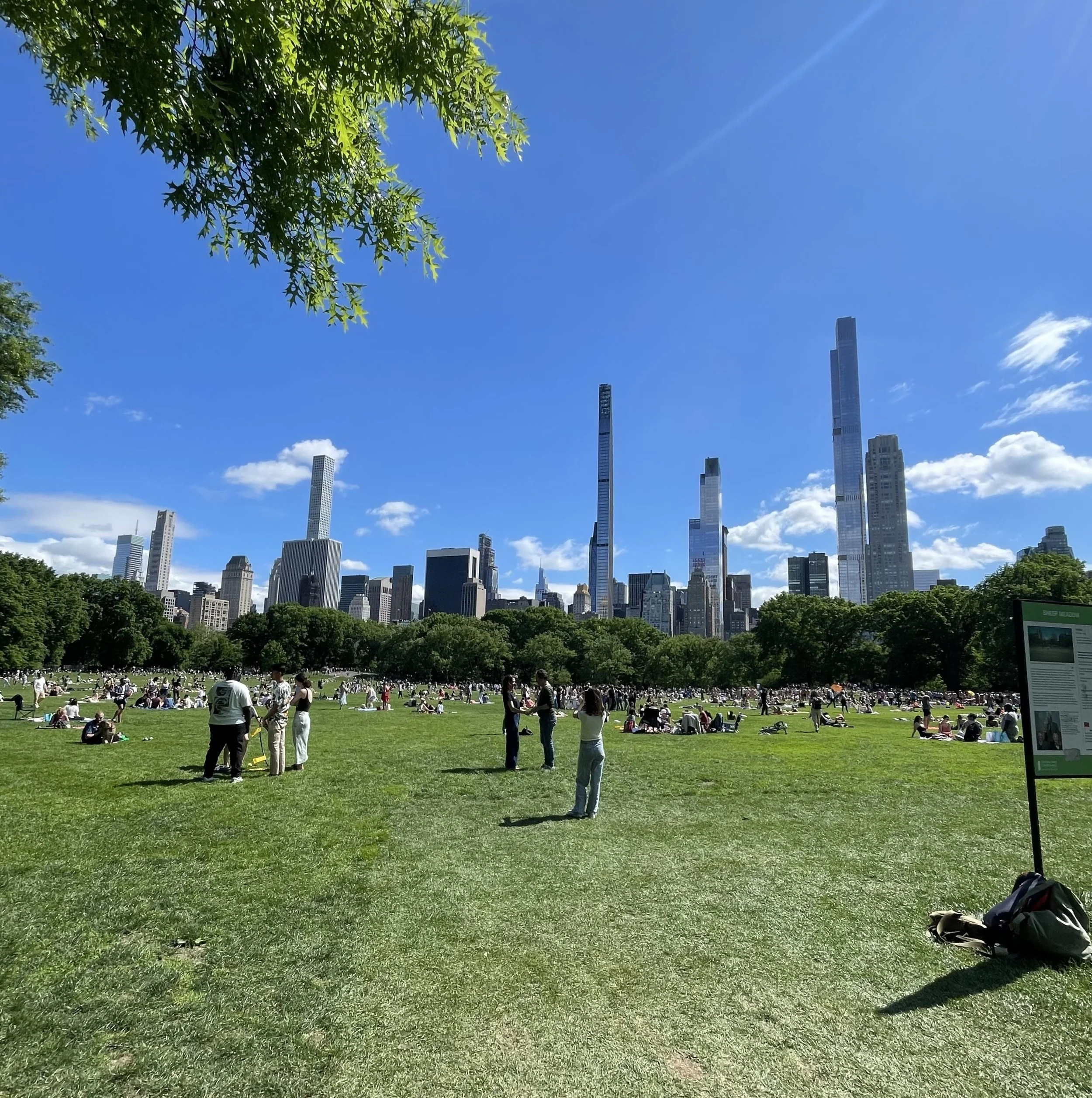
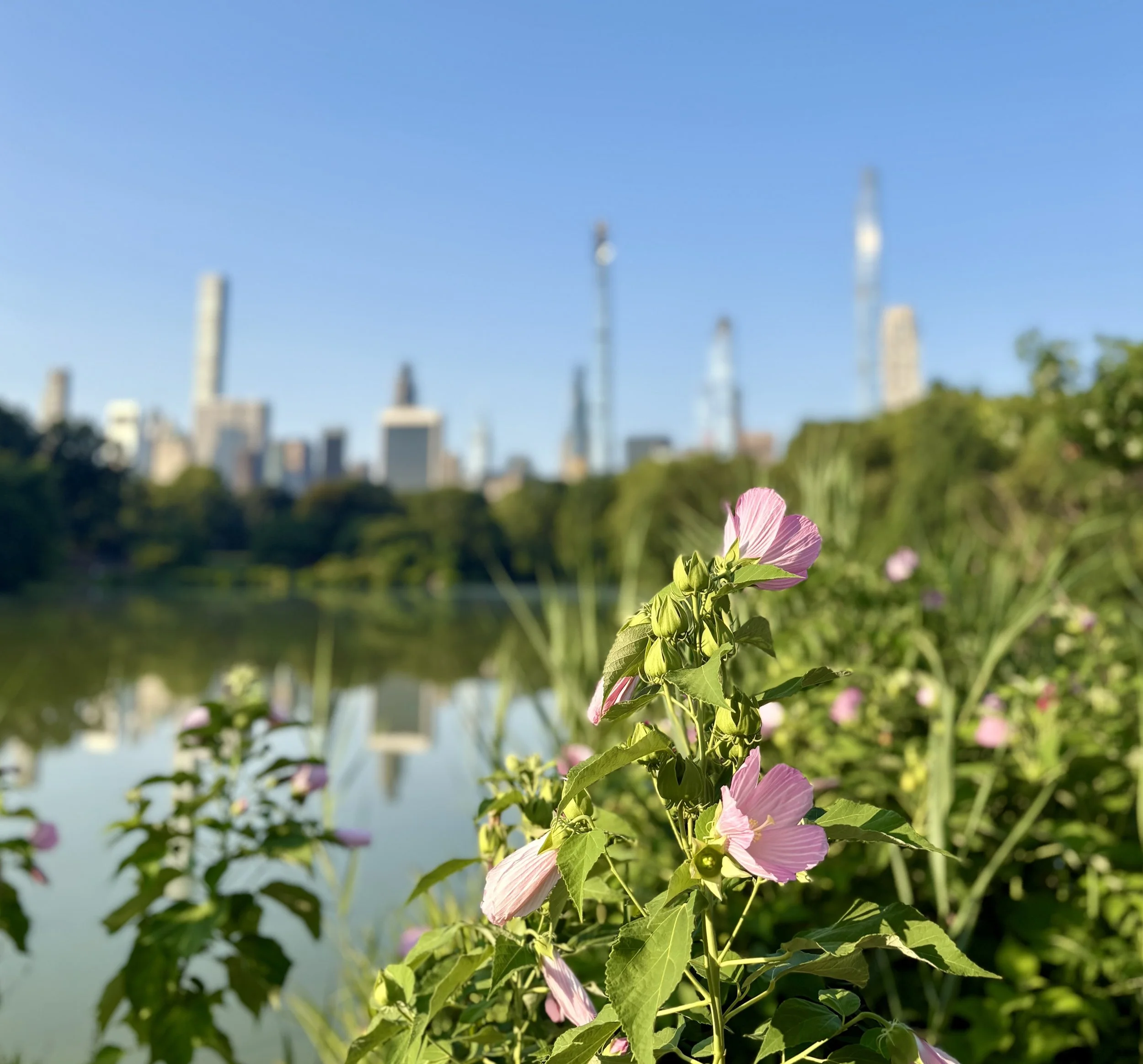
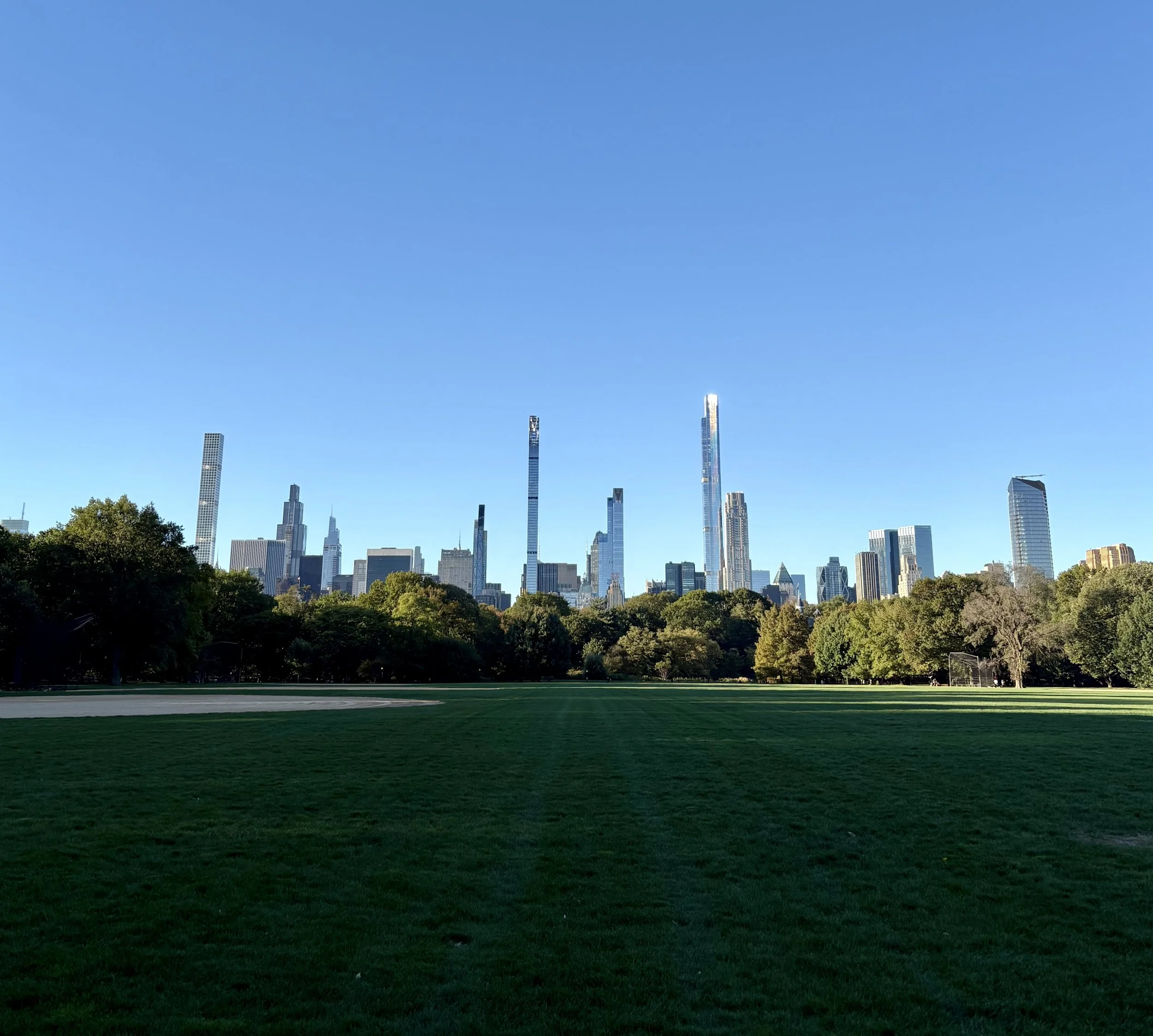
Sheeps Meadow and the Great Lawn are the perfect place for a picnic in the park.
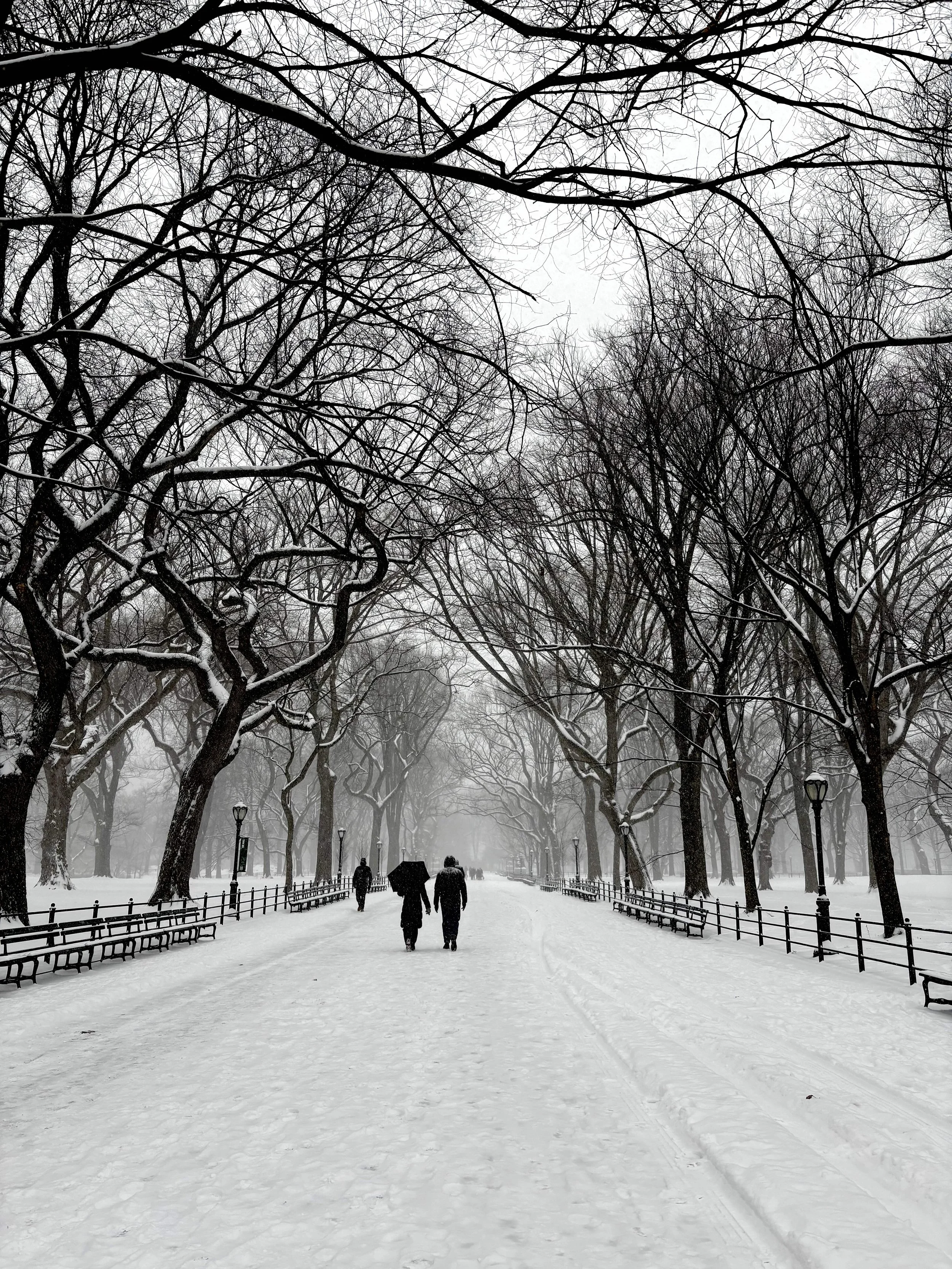
Iconic Landmarks
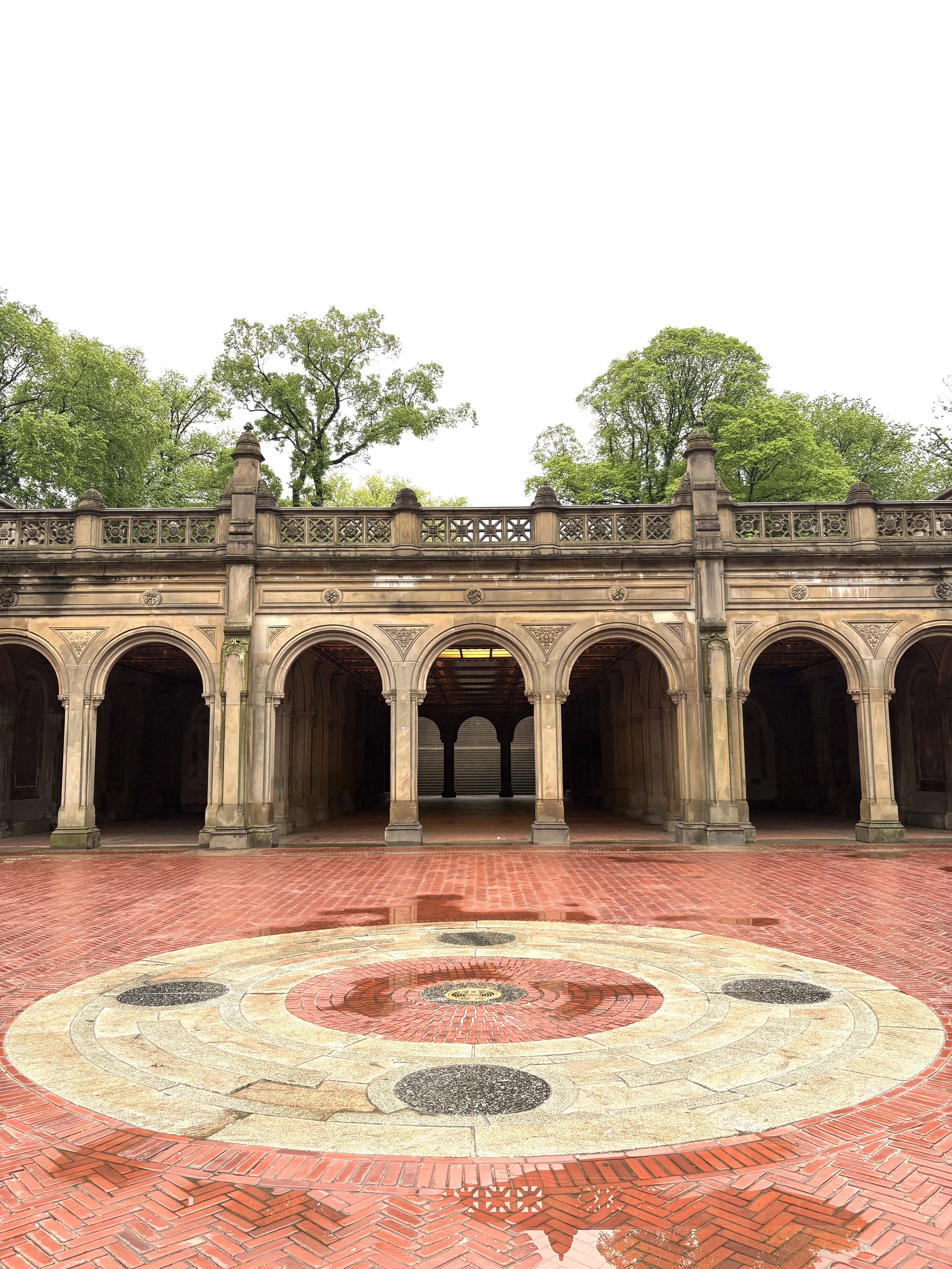
If I had to pick one place that captures the beauty and grandeur of Central Park, it's Bethesda Terrace. Designed by Calvert Vaux and Jacob Wrey Mould, the terrace overlooks the Lake and features a magnificent double staircase, intricate stone carvings and a beautiful arcade with its stunning Minton tile ceiling. It's one of my favorite places to wander early in the morning, before the crowds arrive, especially on days when I'm not out for a run.
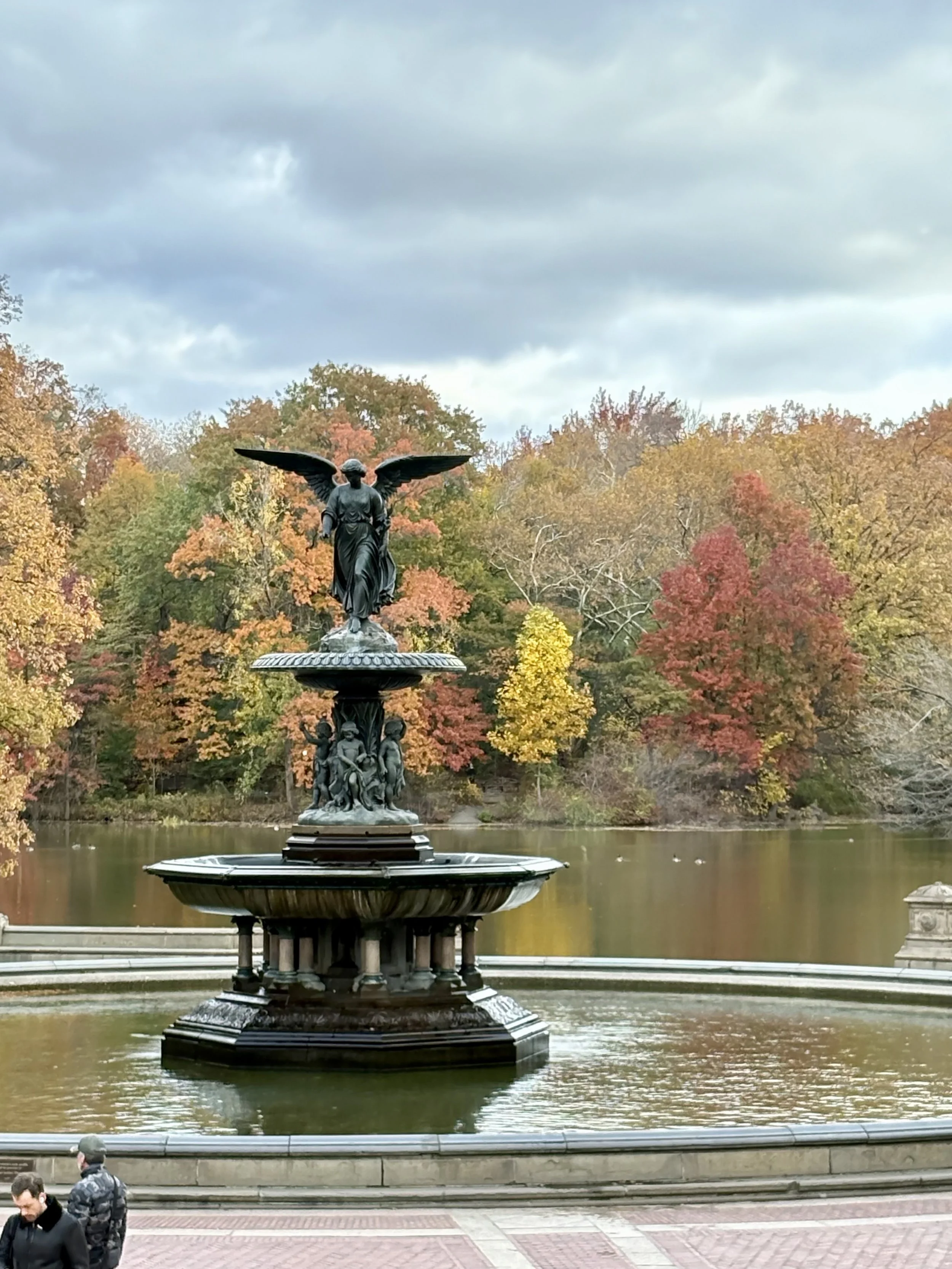
At the center of the terrace stands Bethesda Fountain, crowned by the Angel of the Waters statue, designed by sculptor Emma Stebbins in 1873. The angel celebrates the arrival of clean drinking water in New York City through the Croton Aqueduct. Just a short walk south is The Mall, one of Central Park's most iconic promenades, lined with towering American elm trees that form a beautiful canopy overhead. What I find particularly fascinating is that when the park's designers first envisioned this beautiful promenade, they knew it would take nearly a century for the trees to fully mature and bring their vision to life. At its southern end is Literary Walk, where statues of famous writers, including William Shakespeare and Robert Burns, have watched generations of New Yorkers stroll past.
Gardens & Quiet Corners
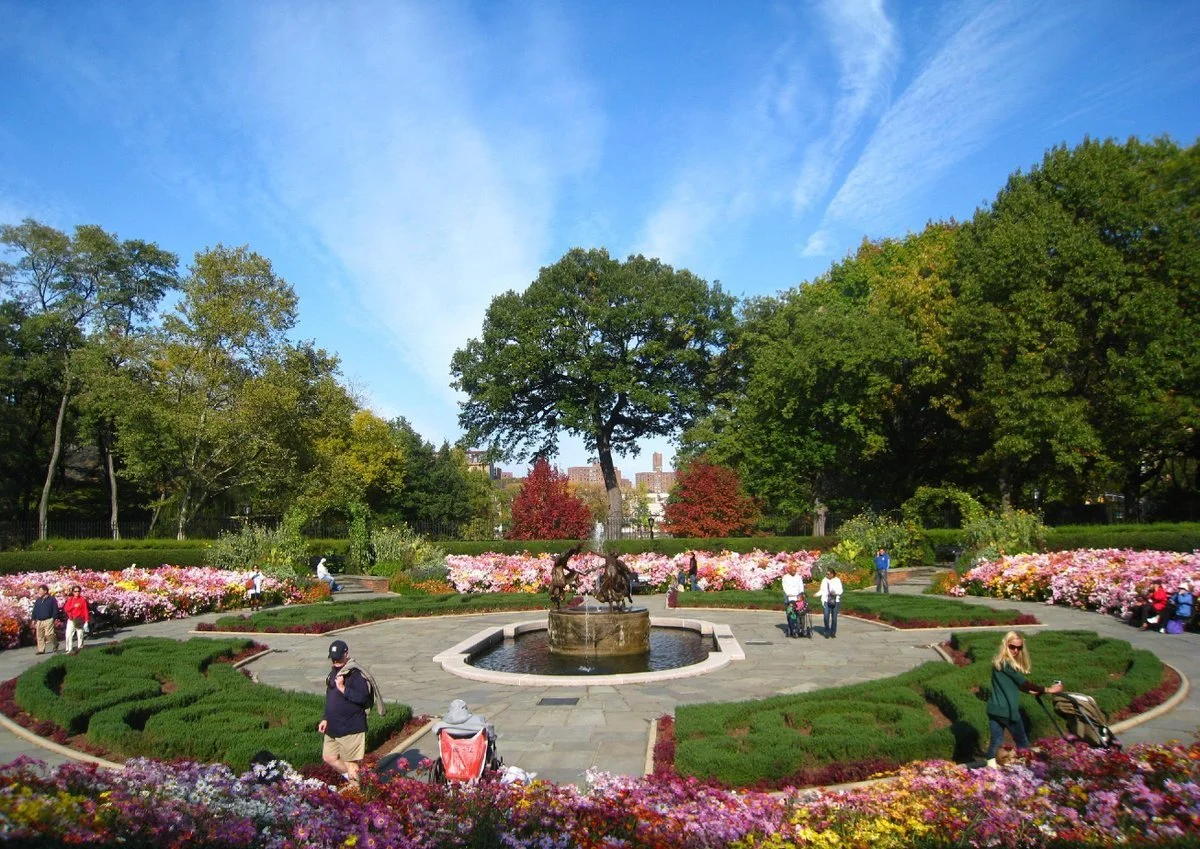
One of the things I love most about Central Park is how easy it is to find a quiet corner, even when the rest of the park is packed. At the northeastern end, near 105th Street, is the Conservatory Garden, six acres of beautifully landscaped formal gardens divided into Italian, French and English sections. It's one of the most peaceful places in the park, especially in the spring when the flowers are blooming. At it’s entrance you’ll find a massive iron gate, which was once the entrance to the Vanderbilt Mansion on Fifth Avenue and 57th Street!
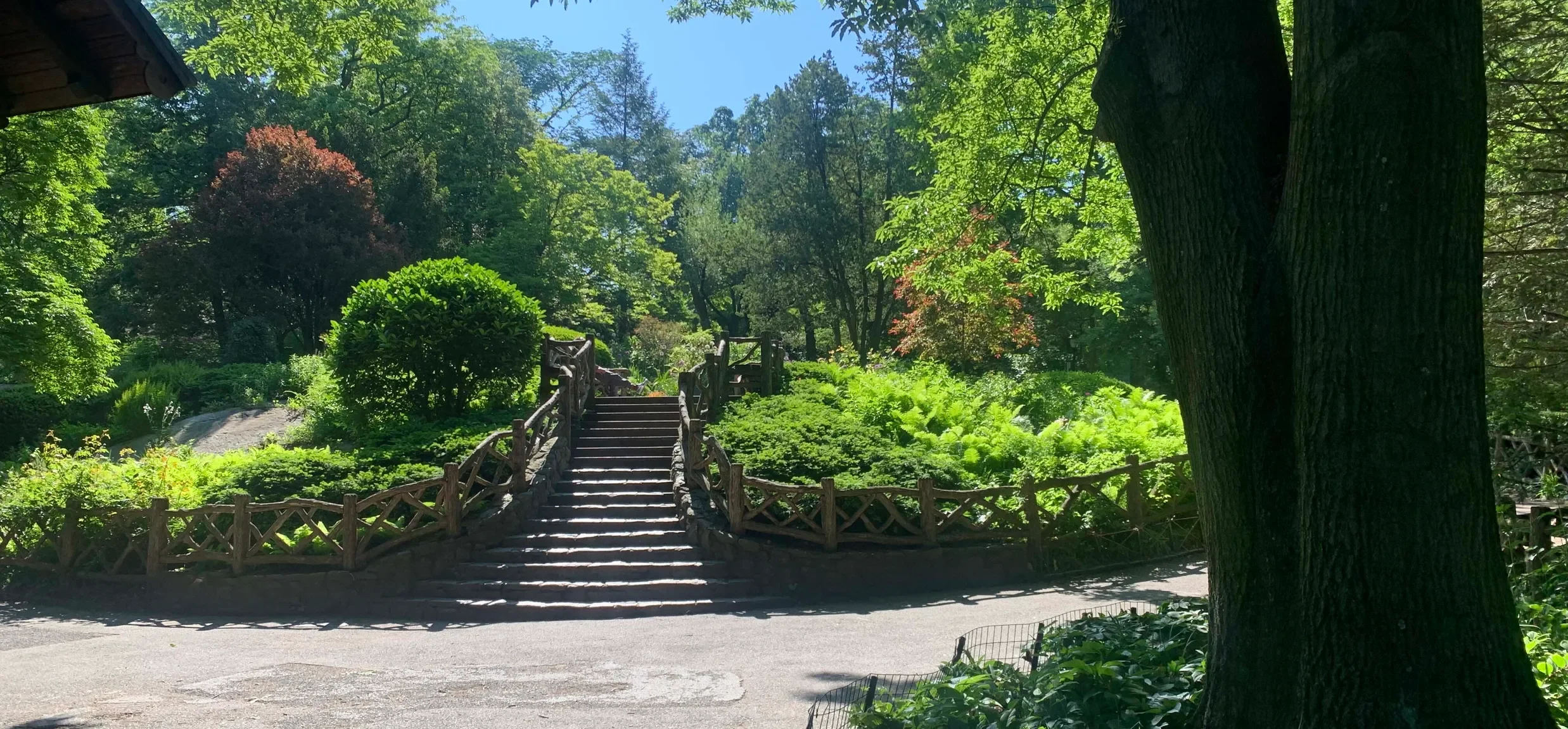
Farther south, near Belvedere Castle, is Shakespeare Garden, a charming four acre hillside filled with winding stone paths, rustic benches and flowers and plants mentioned in Shakespeare's works.
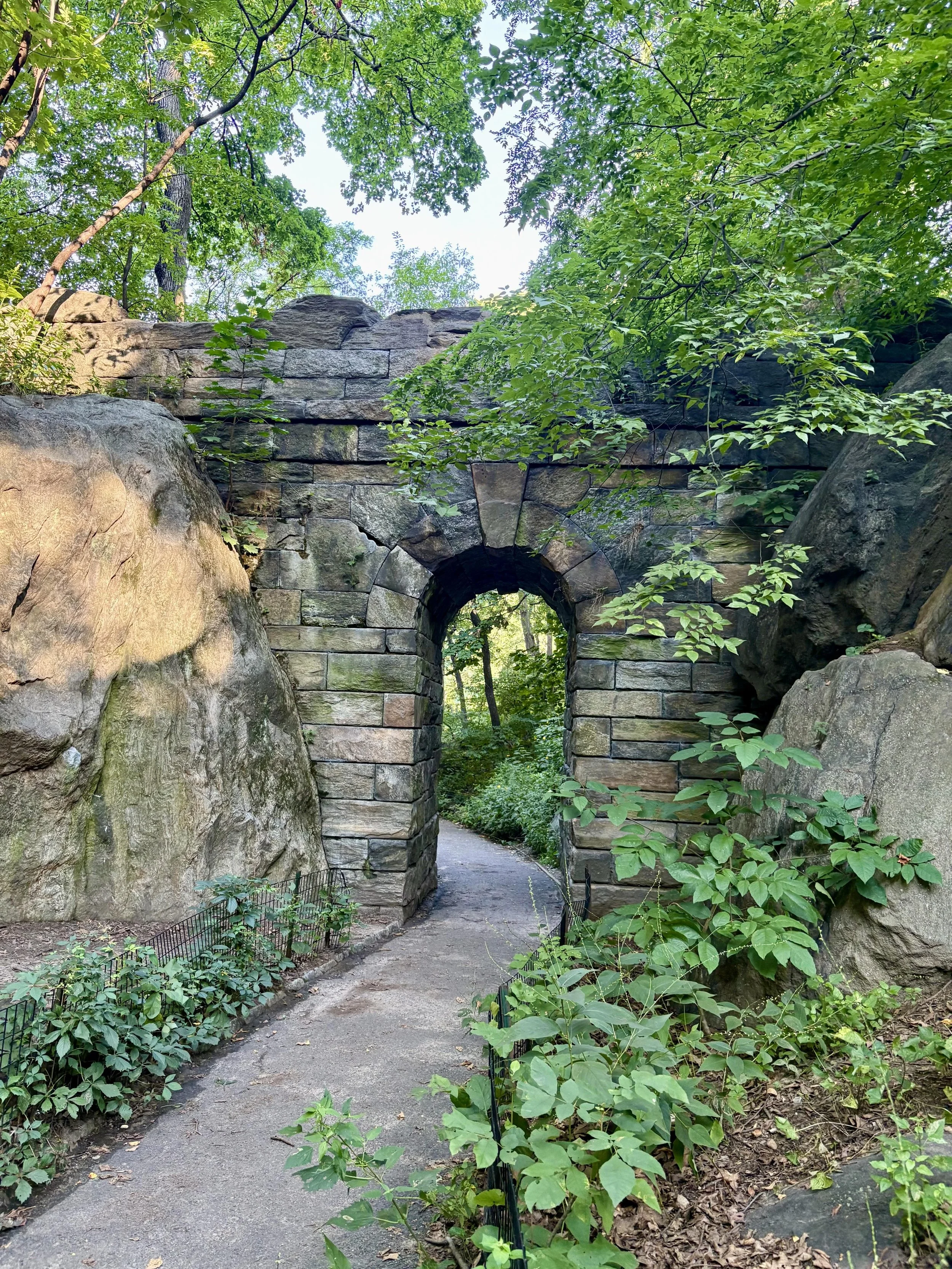
Then there's the Ramble, a 36 acre woodland near the Lake that feels like an entirely different world. Designed to resemble a natural forest, it's filled with twisting trails, rocky outcroppings, little streams and rustic bridges and one or two waterfalls. It's also one of the best places in New York City for birdwatching. (Yes, I love birdwatching, specifically the hawks.) I particularly love how quickly you can lose your sense of direction here, wandering along a trail with no real destination in mind. Sometimes the best way to experience Central Park is simply to get a little lost.
Recreation & Seasonal Activities
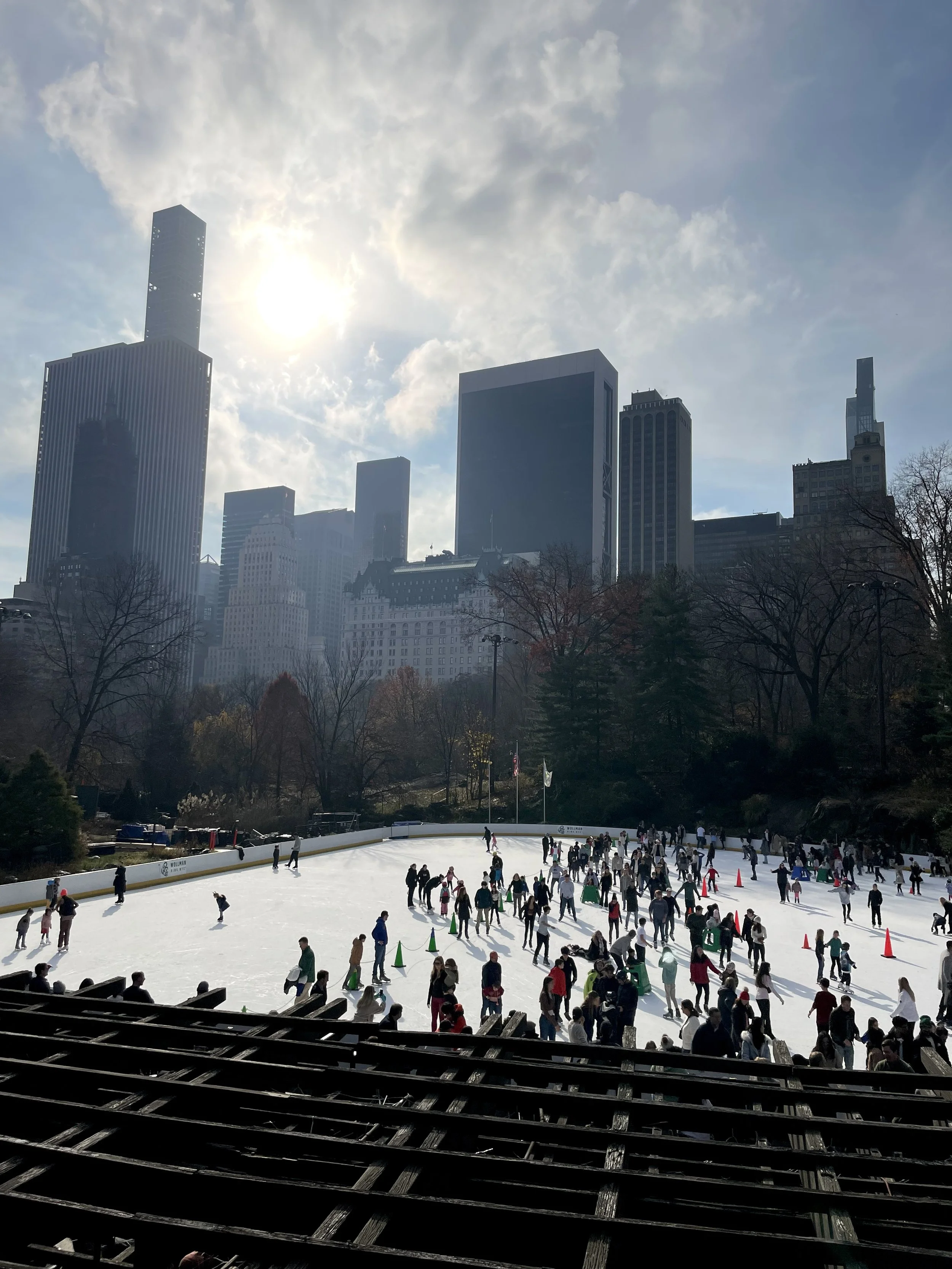
I love to ice skate. In the winter, Wollman Rink transforms the southern end of the park into one of New York's most picturesque ice skating destinations, with the Midtown skyline rising above the trees.
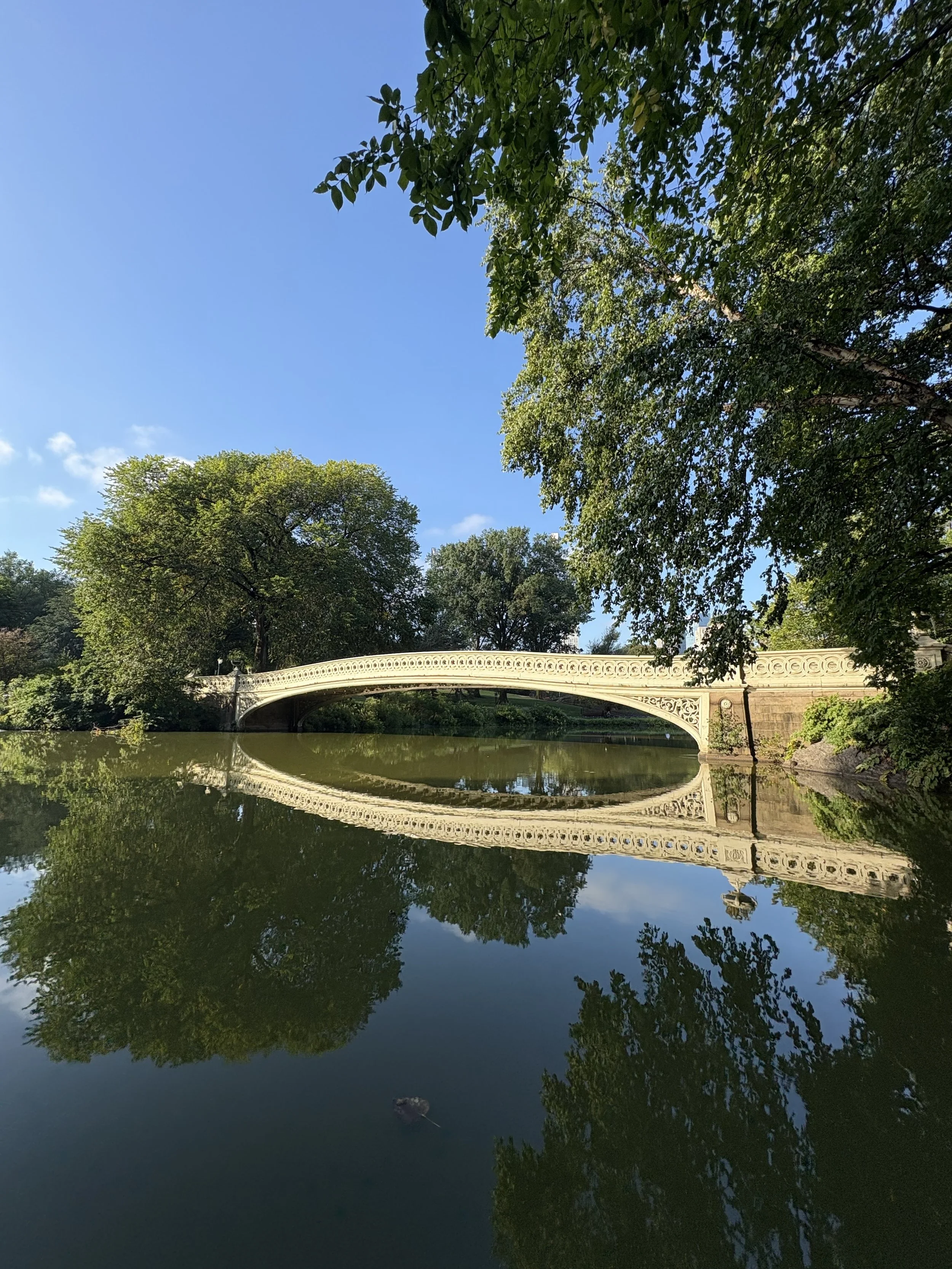
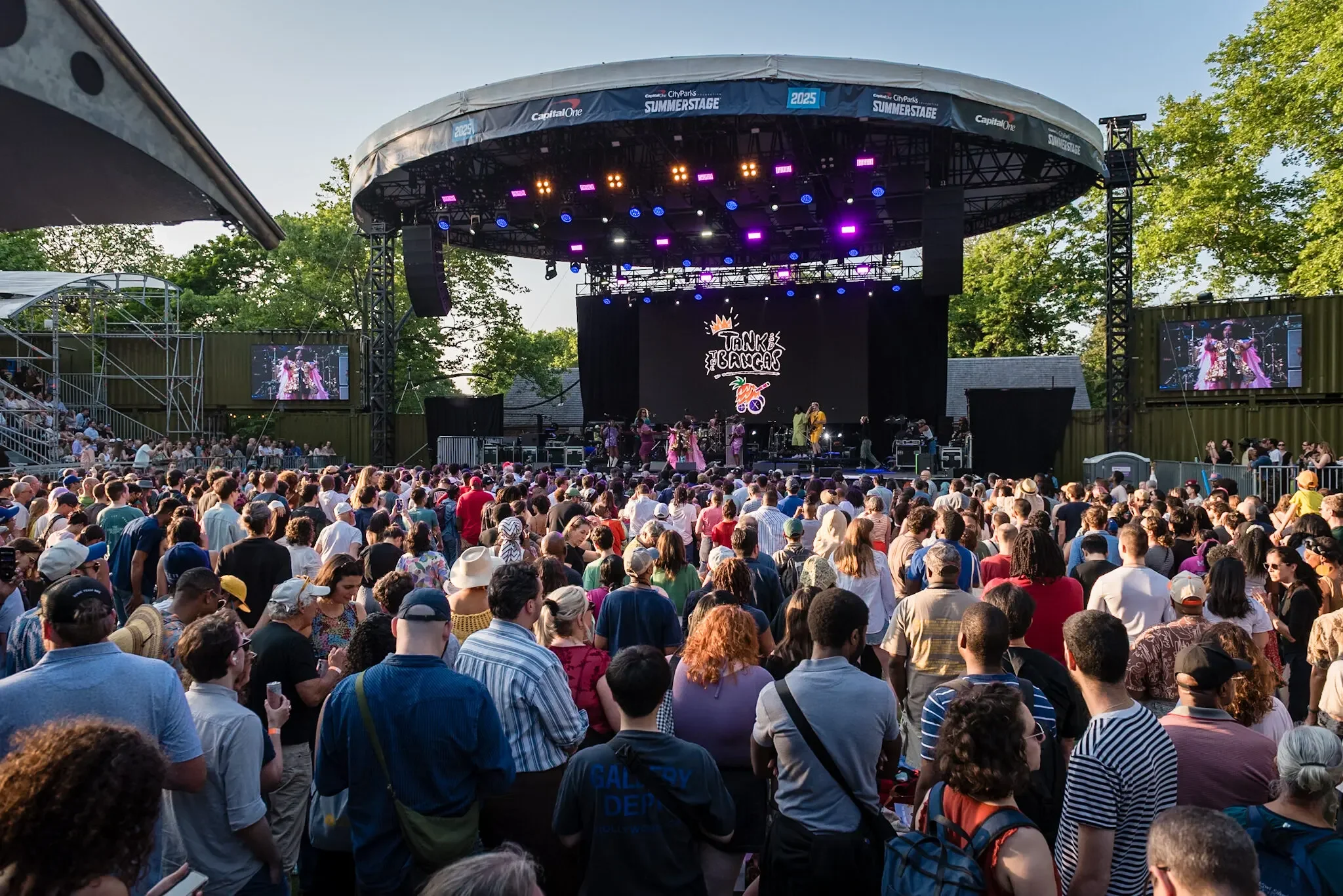
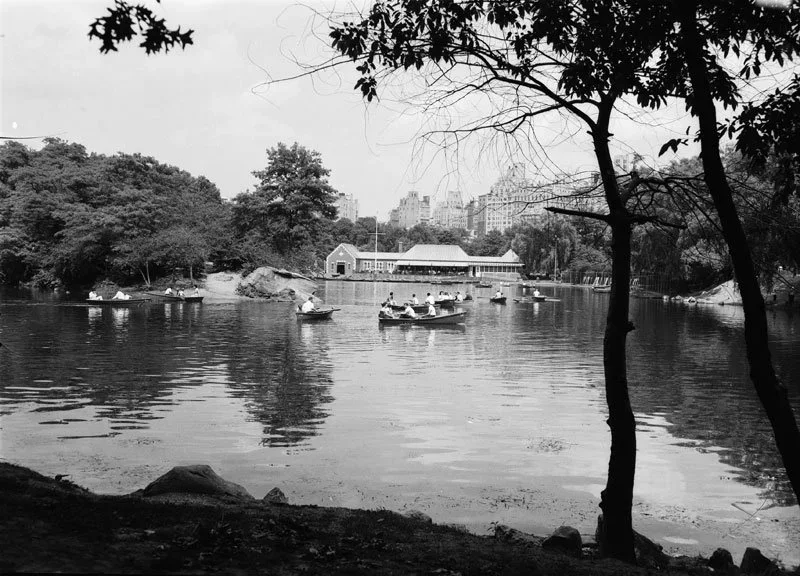
When the weather warms up, you can rent a rowboat at the Loeb Boathouse and spend an afternoon exploring the Lake, gliding beneath Bow Bridge and enjoying a completely different perspective of the park. It's one of those classic New York experiences that never gets old, just make sure it isn’t a scorcher of a day. SummerStage, held at Rumsey Playfield near 72nd Street, has been bringing live music and performances to the park since 1986, with concerts ranging from emerging artists to internationally recognized performers.
You'll also find people cycling, running, playing softball, enjoying outdoor theater and gathering for all sorts of events.
And when autumn arrives, the changing leaves create one of the most beautiful backdrops in the city, perfect for the New York City Marathon!
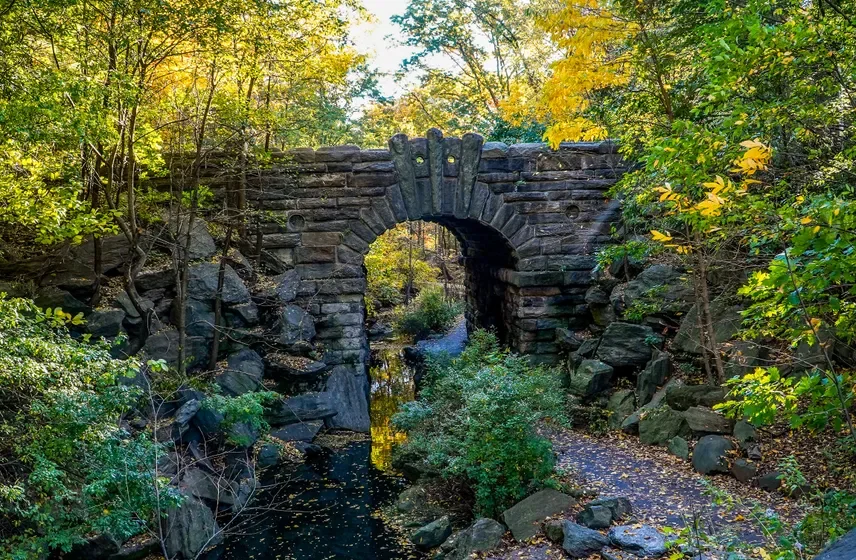
The Rugged North Woods
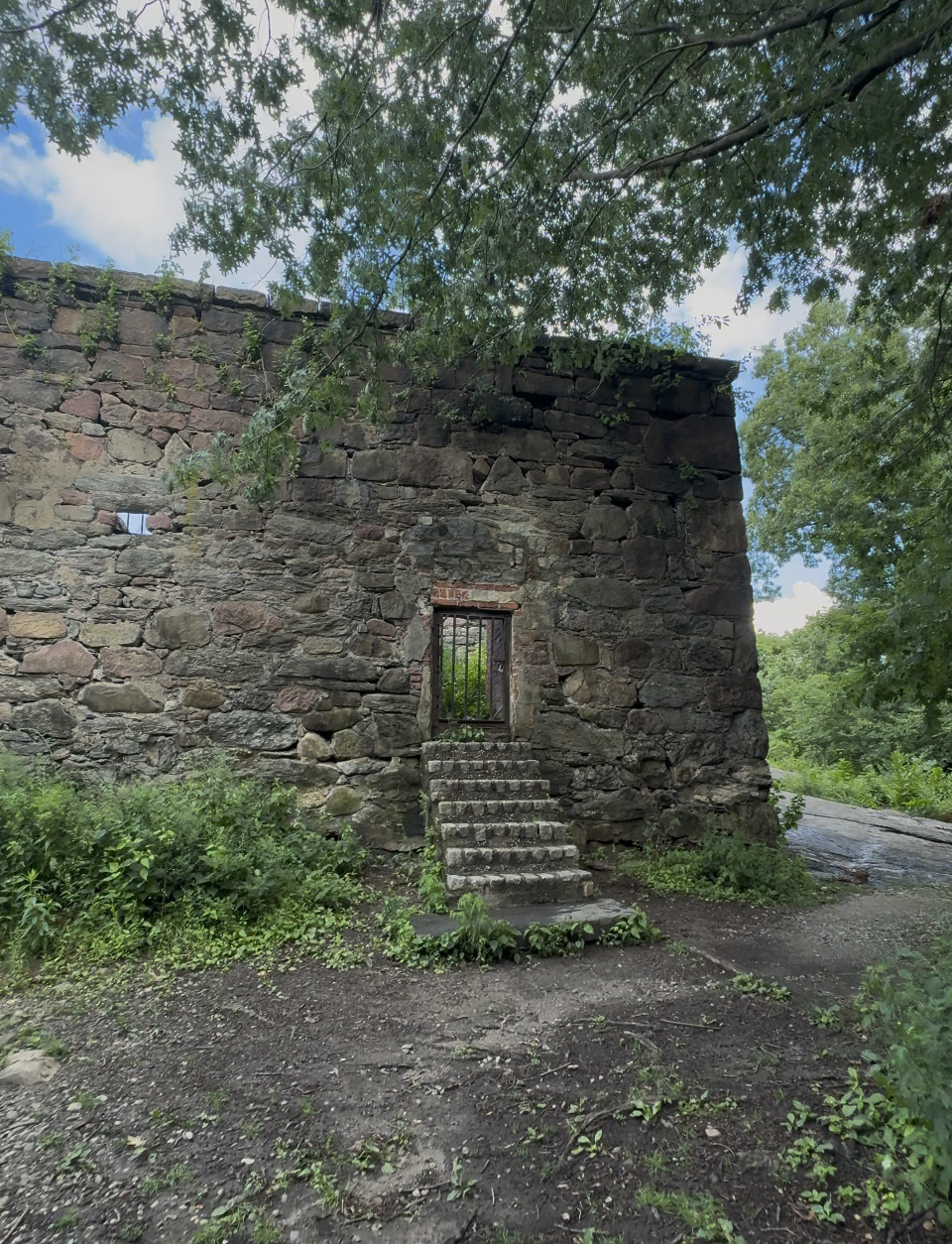
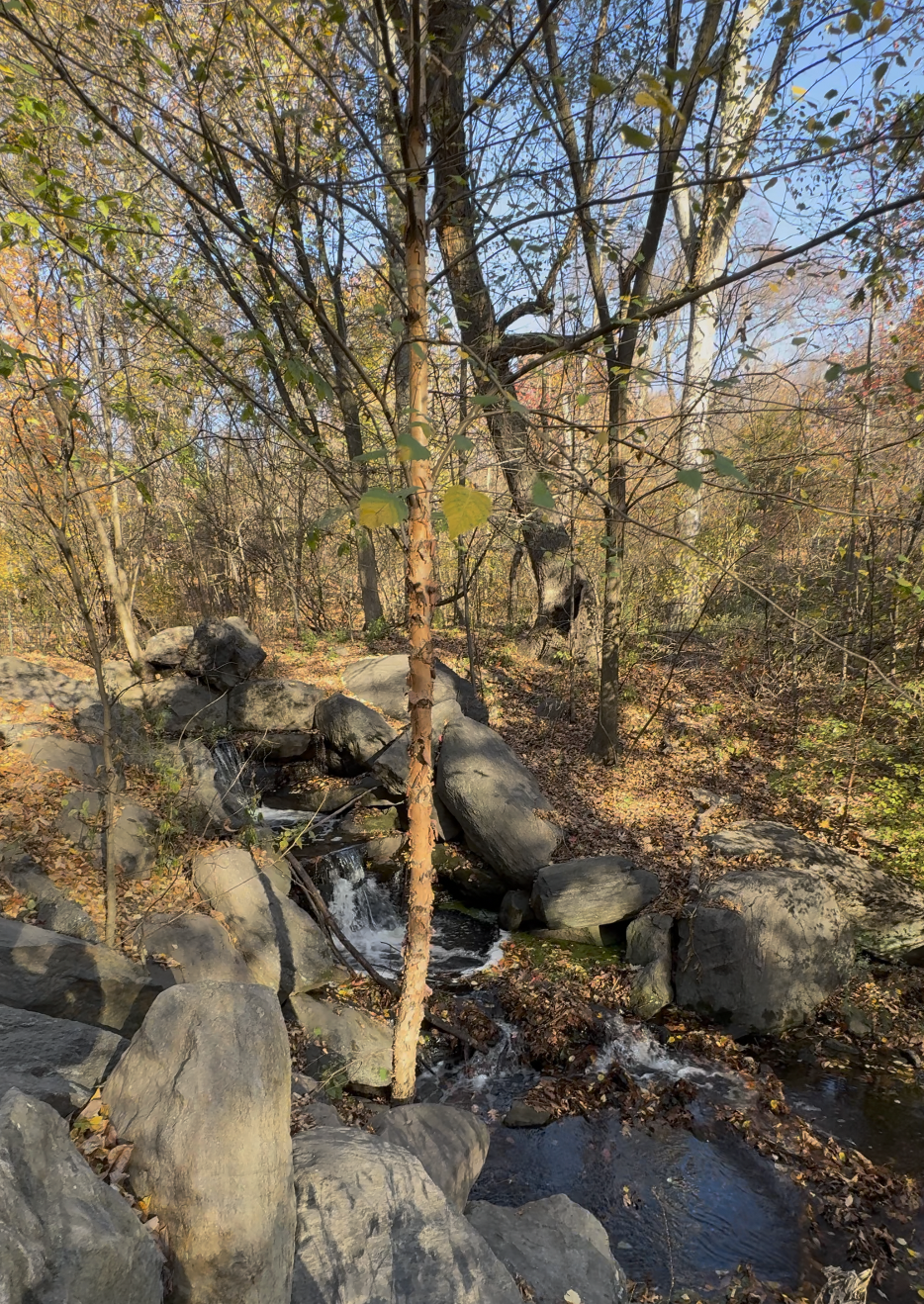
I love visiting the North Woods because it truly feels like you’ve escaped Manhattan. Tucked into the northern end of Central Park, this 40 acre woodland is one of my favorite places to explore during the day. It's a completely different experience from the manicured lawns and grand promenades farther south. Here you'll find winding dirt trails, rocky hillsides, rustic bridges and the Ravine, where the Loch winds through the woods and tumbles over a series of waterfalls. It's hard to believe you're still in New York City, especially when the trees are full and the sounds of traffic seem to disappear completely.
I've spent countless hours running and wandering through this part of the park, and I still discover little paths and corners I've somehow missed. The North Woods is also home to the Blockhouse, a surviving fortification from the War of 1812 that predates Central Park itself. It's one of the few places in Manhattan where you can genuinely feel like you've escaped into the wilderness.
Living Around Central Park
There's something special about getting to experience Central Park every day. For those of us fortunate enough to live in the surrounding neighborhoods, the park becomes an extension of our homes, our backyard, as I like to call it. It's where we go for morning runs, afternoon walks, weekend picnics or simply a little peace and quiet when the city feels overwhelming. It's one of those things that makes living in New York City so extraordinary, and something I never take for granted.
On the western side, the Upper West Side is known for its beautiful prewar apartment buildings, historic cooperatives and lively neighborhood streets, with architectural landmarks like the Dakota and the San Remo overlooking the park. Across Fifth Avenue, the Upper East Side offers its own distinct character, from grand Gilded Age mansions and elegant residential buildings to Museum Mile and some of Manhattan's most celebrated cultural institutions. Both neighborhoods have their own personalities, and I’ve lived in both.
They share one extraordinary amenity… 843 acres of Central Park right outside their doors.