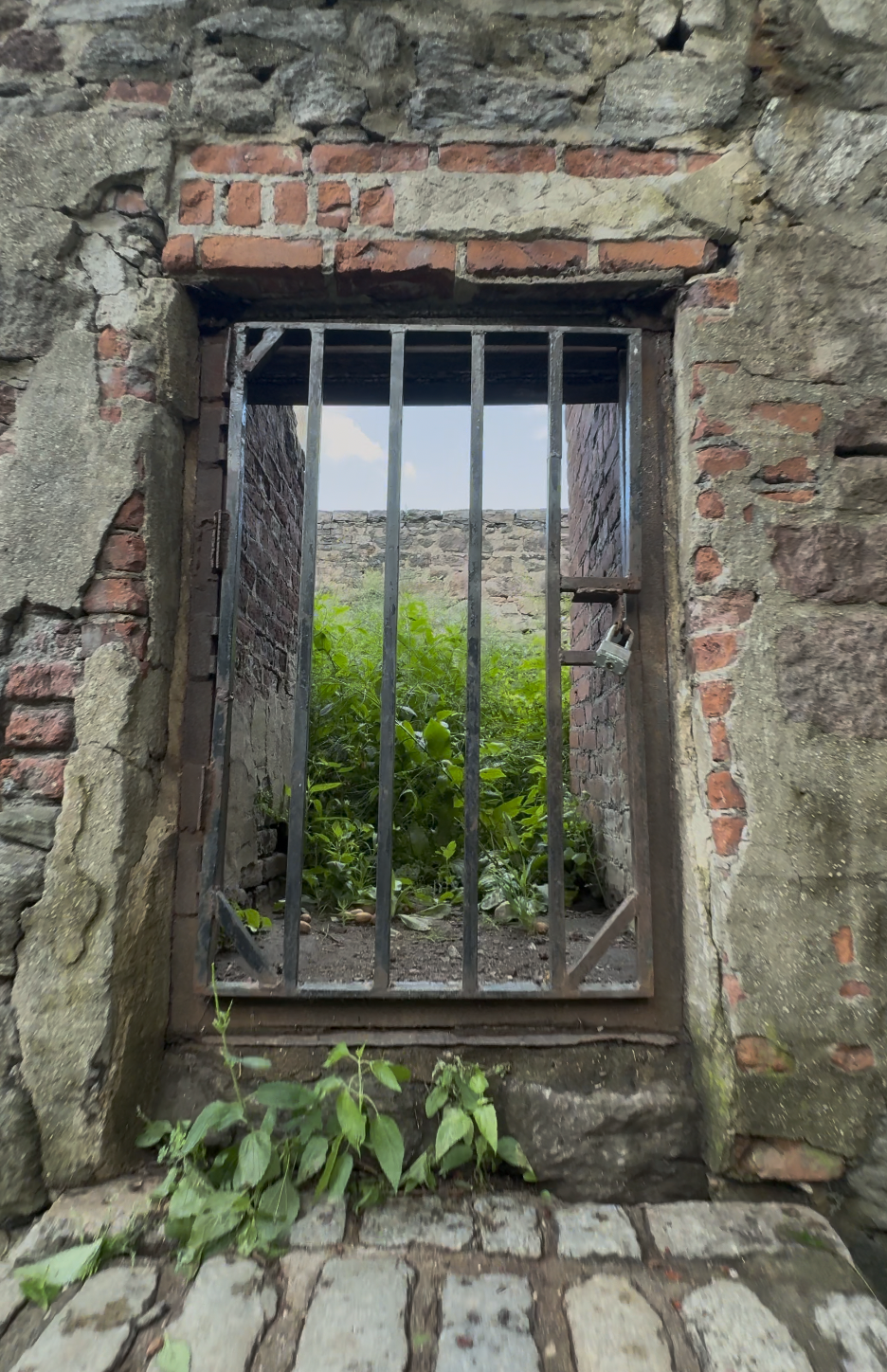
If you venture deep into the North Woods of Central Park, you might stumble upon the park's oldest surviving structure. Well, technically Cleopatra's Needle is older, but that didn't arrive in New York until 1881.
Hidden among the trees, not far from the park's northern edge, is a small stone fortification known as Blockhouse No. 1. It doesn't look like much today, but more than 200 years ago, this little fortress was part of an elaborate defense system built to protect New York City from a British invasion.
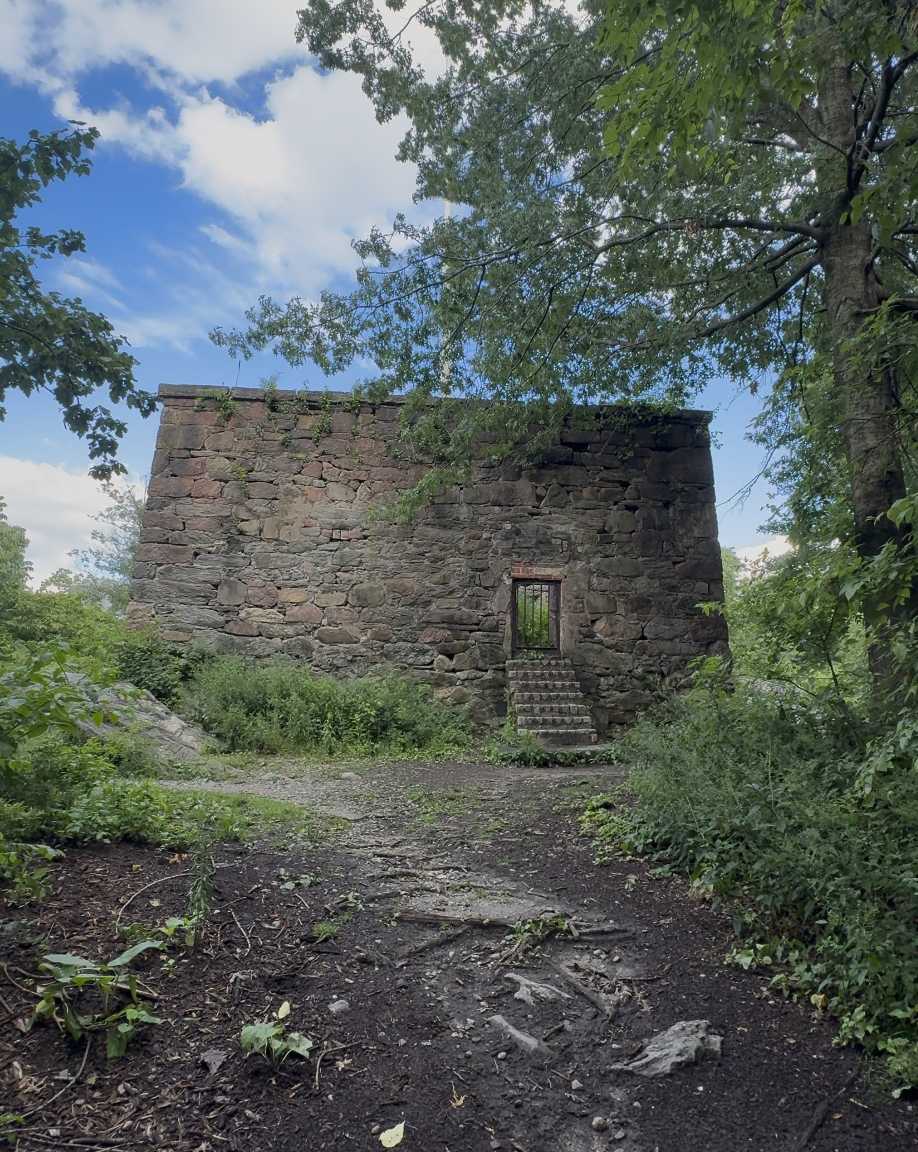
The Central Park Blockhouse today - Photo: Chris Baker
The year was 1814, and the United States was in the middle of the War of 1812. After British forces captured Washington, D.C., and burned several government buildings, including the White House and Capitol, New Yorkers feared their city might be next.
With the threat of an invasion looming, New York scrambled to strengthen its defenses. Fortifications were constructed across northern Manhattan, including a series of positions along the rocky heights overlooking what was then largely undeveloped countryside.
One of those fortifications was the Blockhouse and it was built in a hurry.
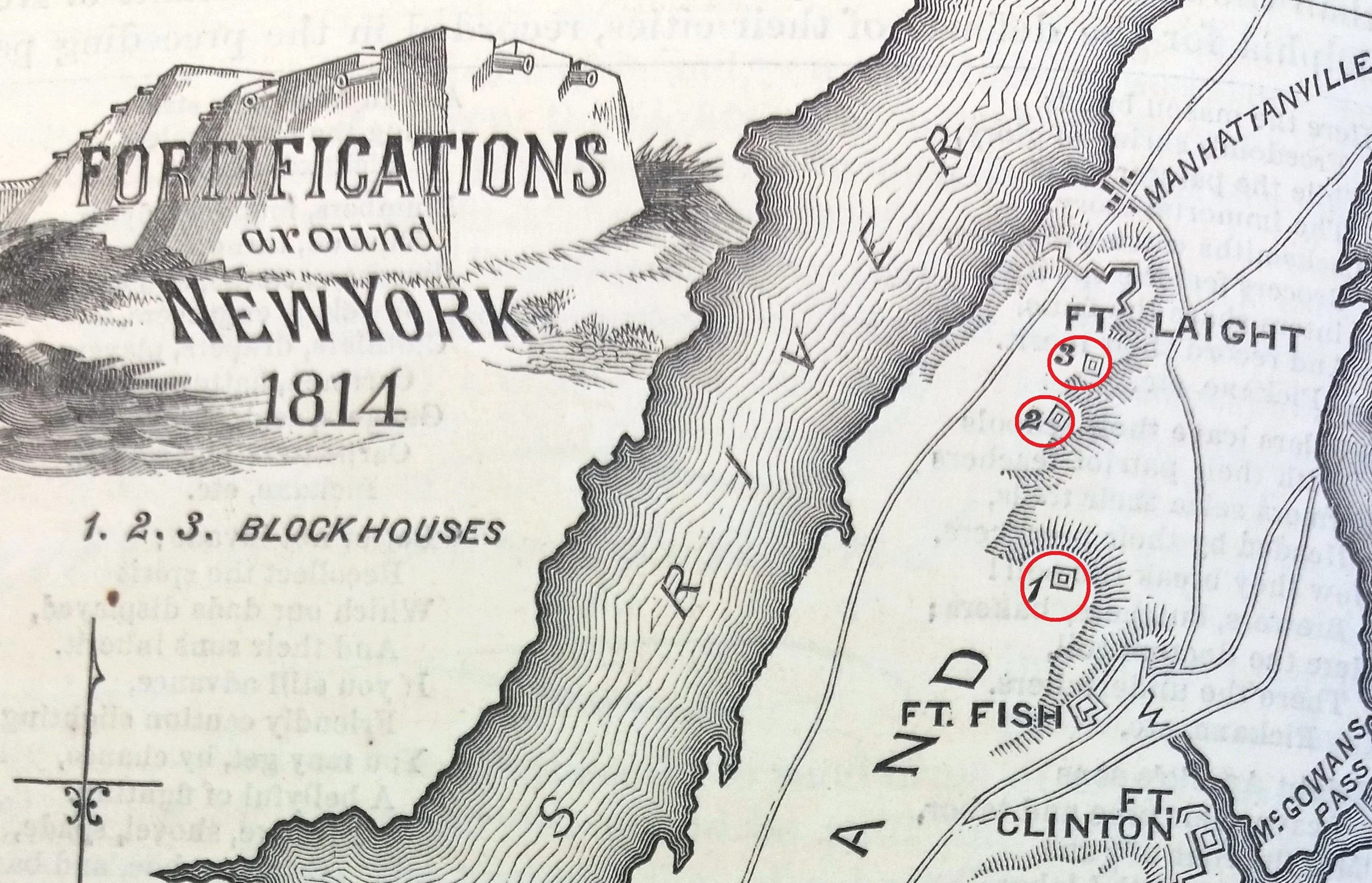
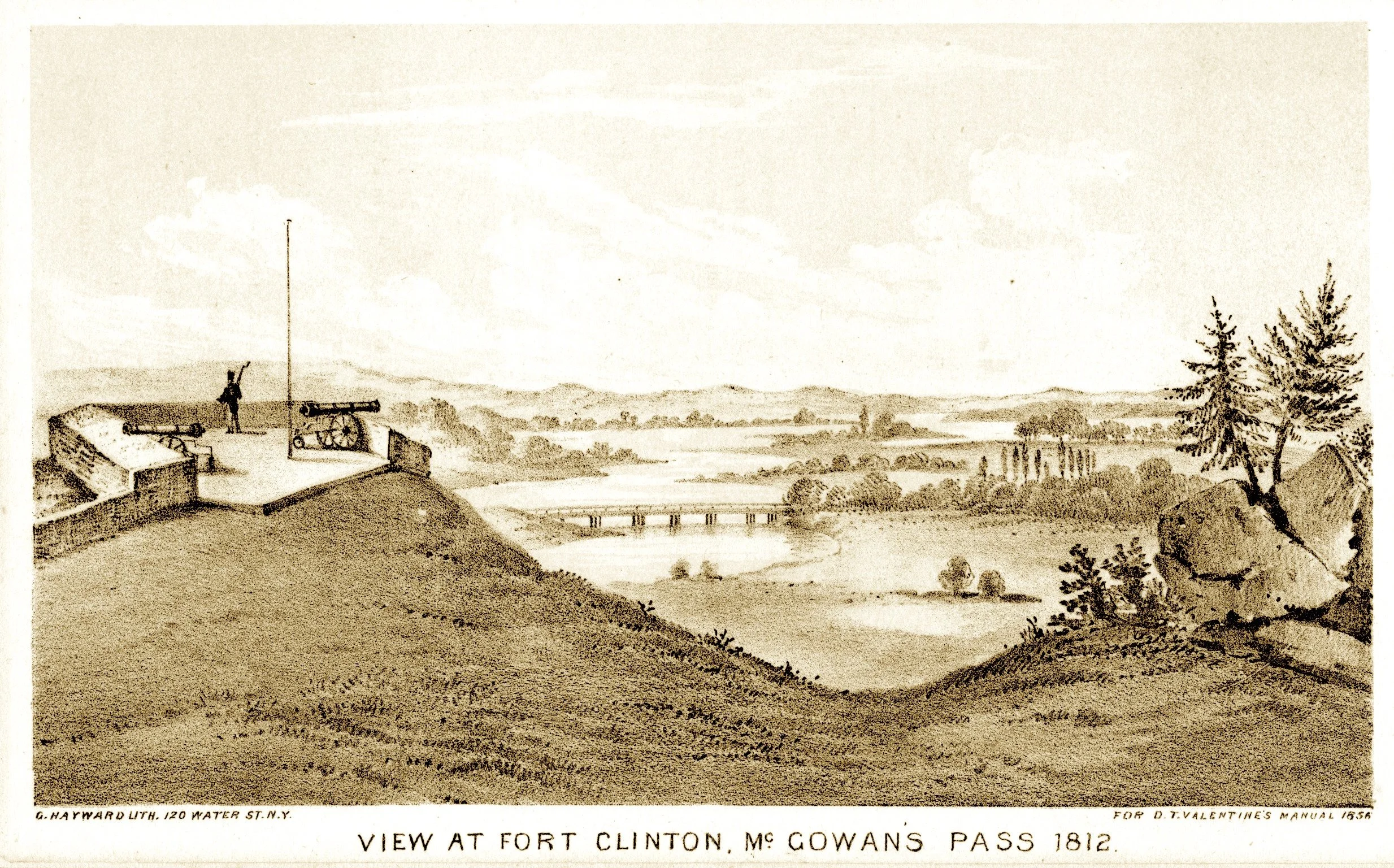
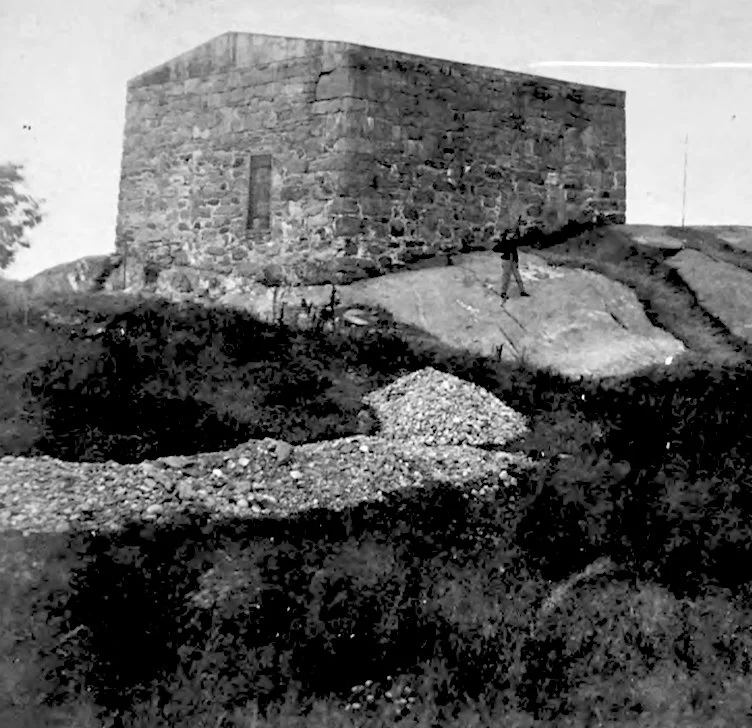
The Blockhouse
Volunteers from across New York came together to help construct it, including Columbia College students, firefighters, butchers and Freemasons. The different groups worked with whatever stone was available, which helps explain the somewhat irregular appearance of its walls.
The finished fortification included a two story defensive structure and a wooden gun platform with a revolving mount for a cannon. From its elevated position, defenders would have been able to watch for approaching British forces.
Nearly 2,000 New York militiamen were stationed among the surrounding defenses, ready to protect the city.
But the British never came.
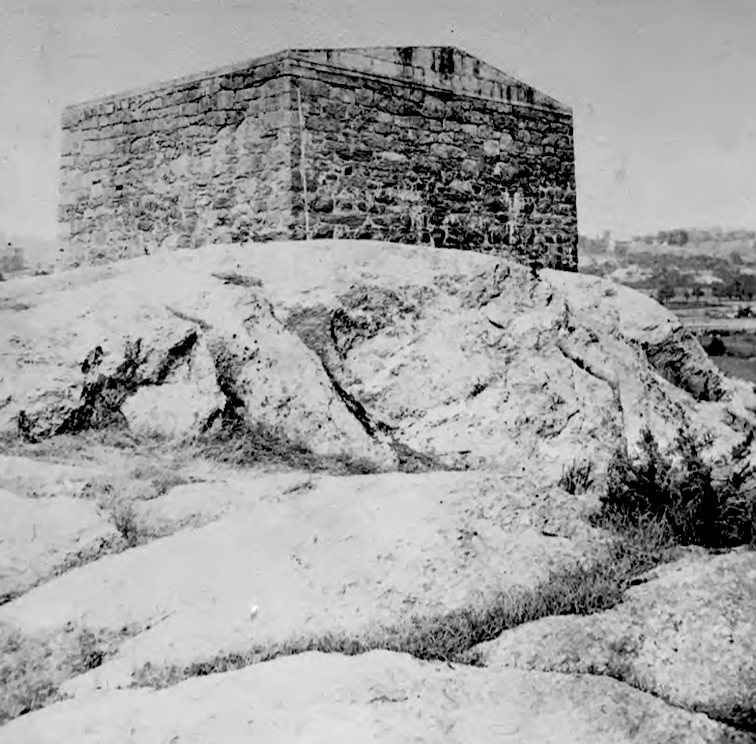
Despite all the preparation, the anticipated attack on New York never materialized. The War of 1812 ended with the Treaty of Ghent, signed in December 1814, and the Blockhouse never saw combat.
With the threat gone, the fortifications were abandoned and over time, many of Manhattan's old defensive structures disappeared as the city expanded northward.
But the Blockhouse survived.
When Frederick Law Olmsted and Calvert Vaux began transforming this rugged landscape into Central Park decades later, the old stone fortification was incorporated into the park rather than demolished.
And there it has remained ever since.
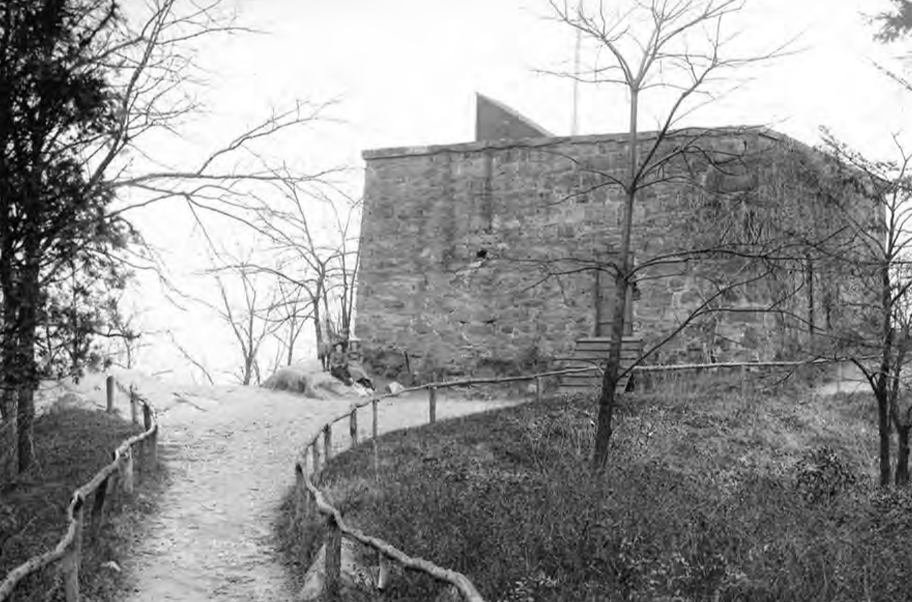
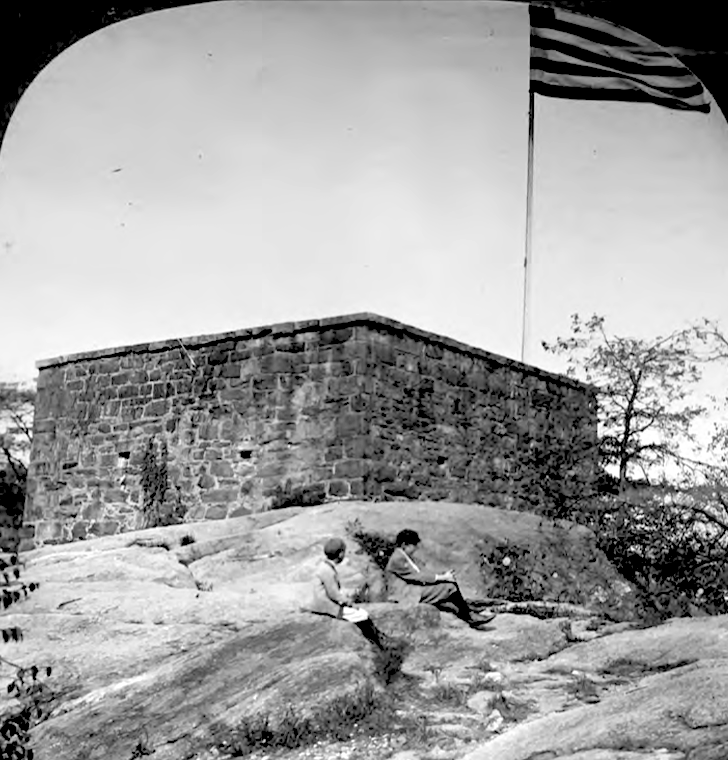
Over the years, the Blockhouse has had a few adventures of its own. In 1905, a bronze commemorative plaque was installed above its entrance. At some point, somebody stole it. Because, of course, this is New York. (It’s visible on the image below.)
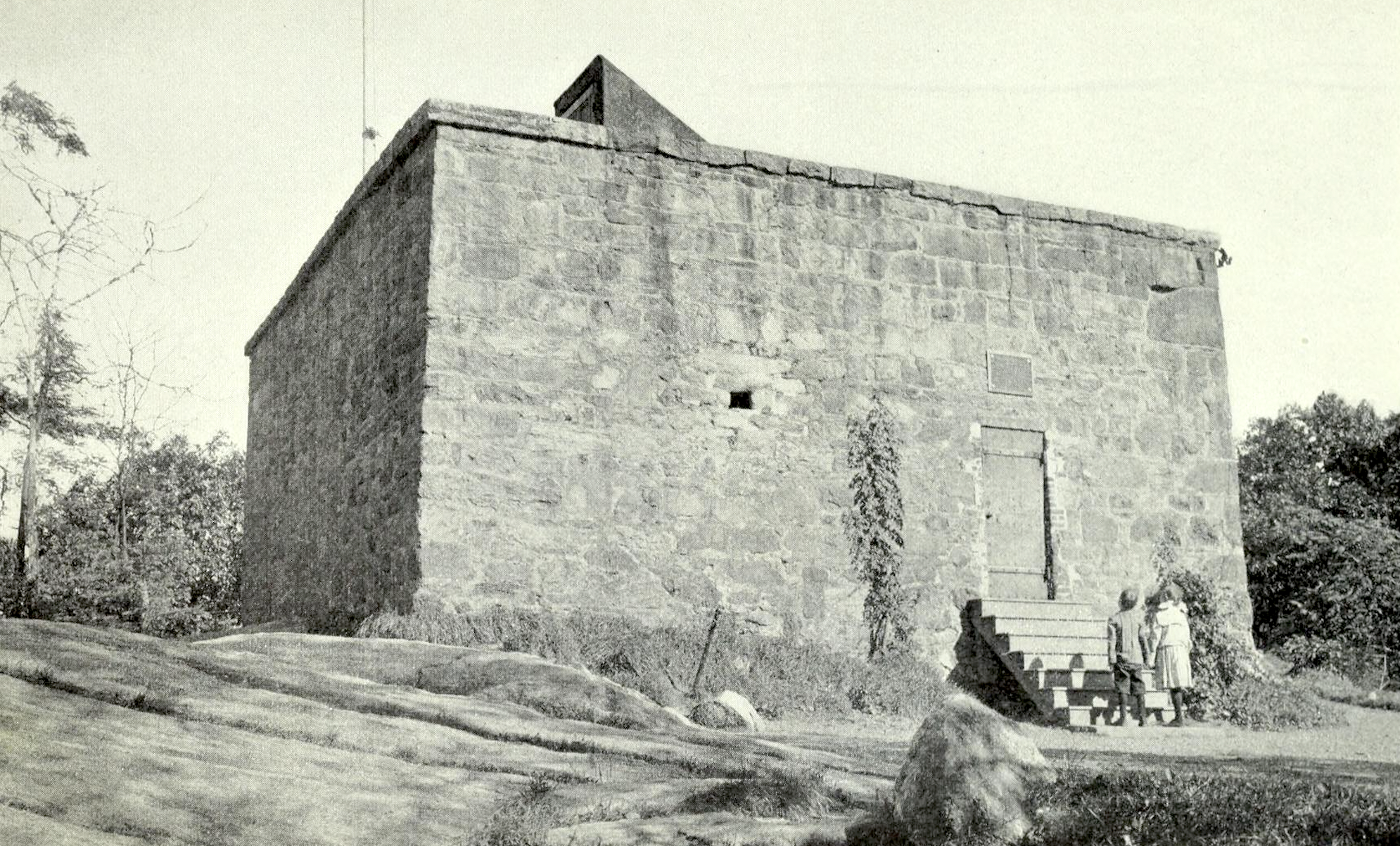
Now it’s just an old stone fort, hidden in the North Woods, quietly reminding us of a time when this part of Manhattan was considered the city's northern frontier.
I've run through the North Woods countless times, and it's still one of my favorite historical discoveries in Central Park. Most people have no idea it's even there.
So, if you're ever out for a run with me and want to see it, just ask, I'll take you.