The Financial District: a Neighborhood Guide
Discover the Financial District
The Financial District, or FiDi as most New Yorkers call it, has always had a personality unlike anywhere else in Manhattan. For decades, this was the heart of New York's financial world, bustling with office workers during the week and remarkably quiet on weekends. And while some people might find that unusual, I've known plenty of New Yorkers who moved downtown specifically because they loved that contrast.
But FiDi has changed dramatically over the years. Historic office buildings have been transformed into beautiful residences, new restaurants and bars have opened, and the neighborhood has developed a much stronger residential community. What I find especially fascinating is the history. This is where New York began, and you can still see traces of the city's earliest days tucked between some of its most impressive skyscrapers.
Getting to the Financial District is incredibly easy. Since it's located at the southern tip of Manhattan, nearly every subway line seems to converge down here. But despite being relatively small compared to some of New York's other neighborhoods, FiDi can also be one of the most challenging places to navigate.
Unlike much of Manhattan, the Financial District doesn't follow the familiar street grid since it existed way before then. Instead, you'll find narrow, winding streets that seem to head in every direction. I've been exploring this neighborhood for years, and I still occasionally get turned around.
My only real advice? Keep an eye on the east and west horizons. Knowing which direction the rivers are can help you get your bearings when the streets themselves aren't doing you any favors.

Things to See & Do
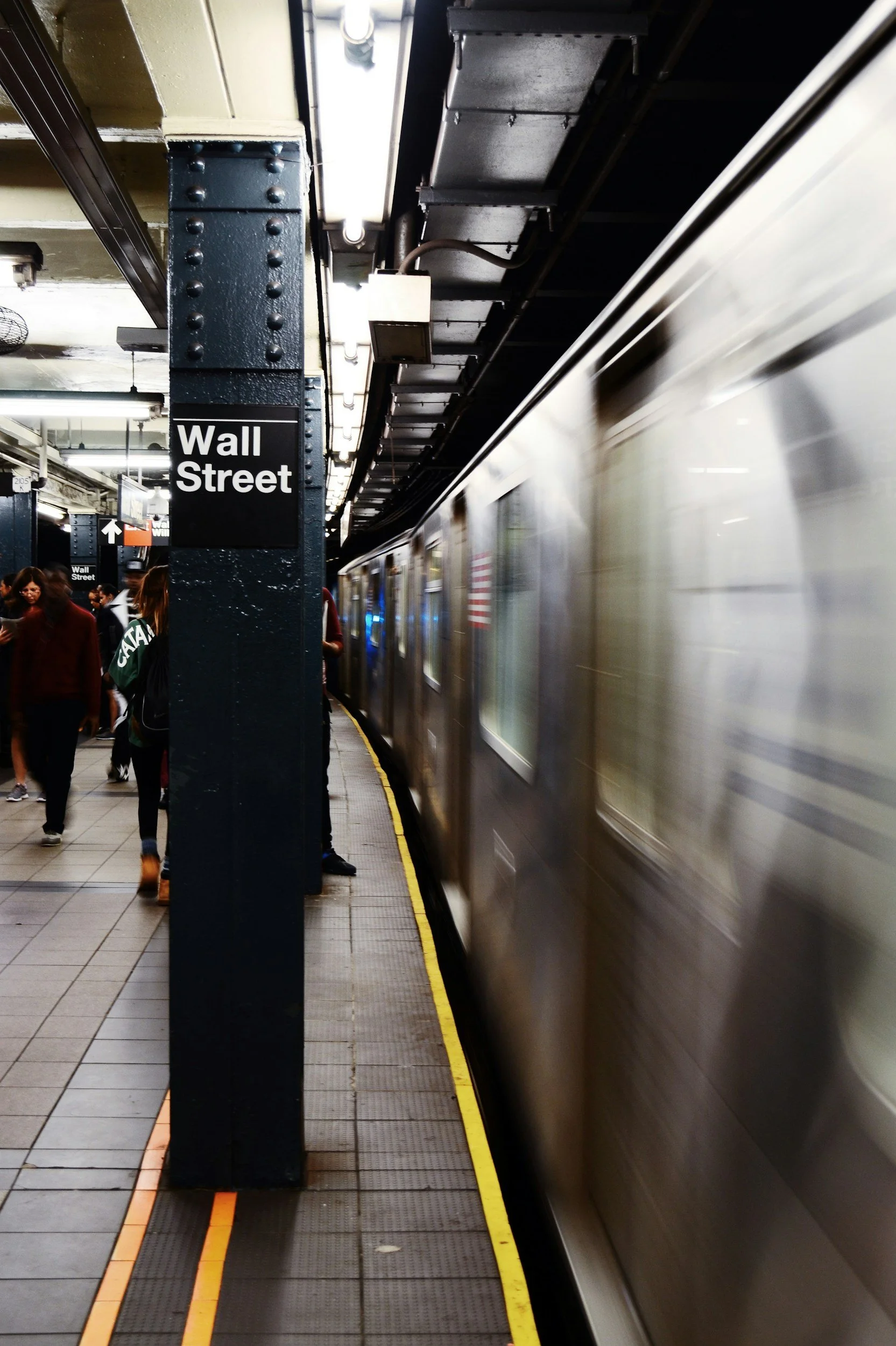
There's no shortage of things to see in the Financial District, and some of New York's most recognizable landmarks are packed into a surprisingly small area. From the cobblestone streets around Stone Street to the towering buildings of Wall Street, this is a neighborhood where you can experience several centuries of New York history in a single afternoon. Whether you're visiting for the first time or have lived here for years, there's always something worth stopping to explore.
Federal Hall
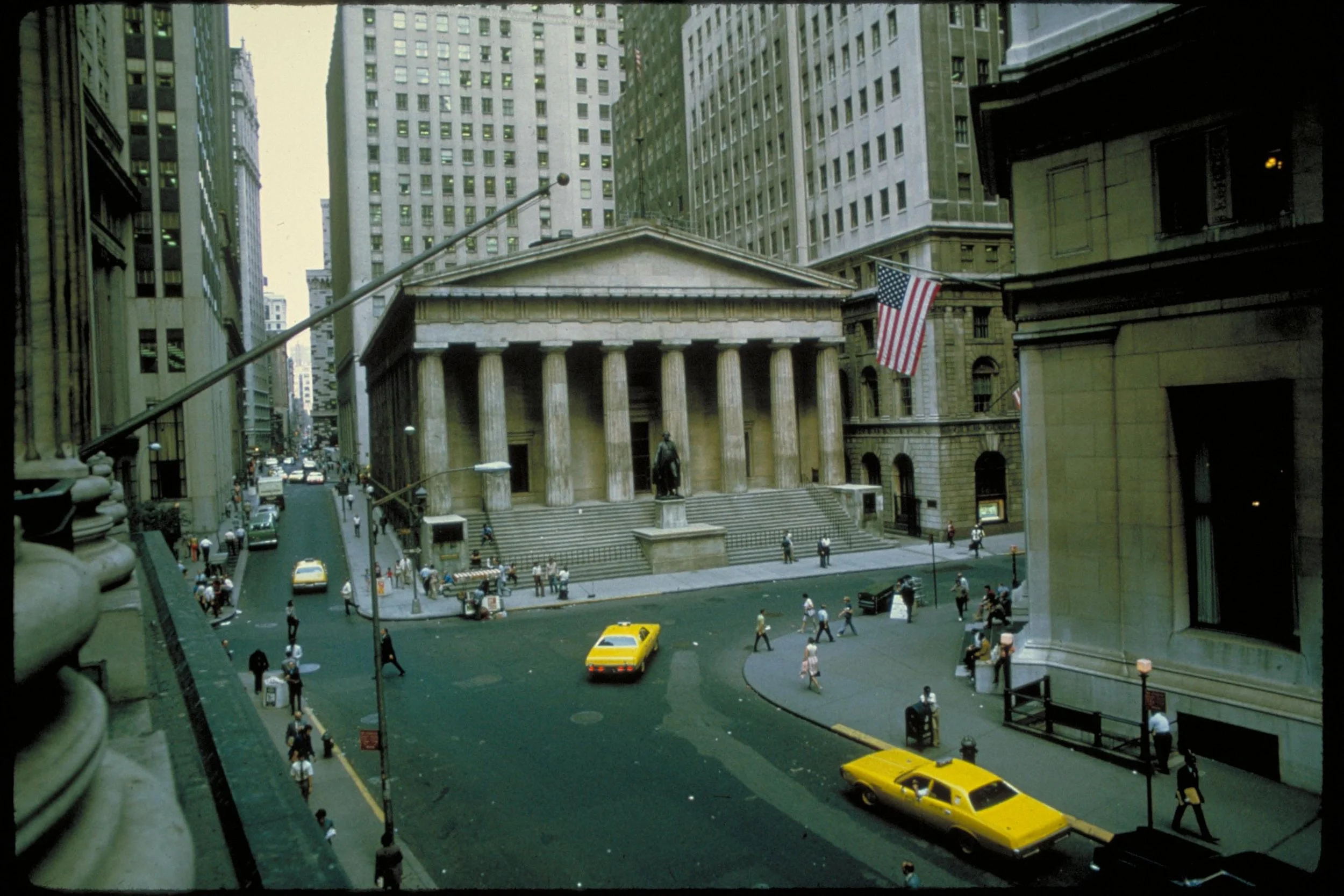
Standing at the corner of Wall and Nassau Streets, Federal Hall marks one of the most important sites in American history. It was here, on April 30, 1789, that George Washington took the oath of office as the nation's first president. The original building is long gone, but the magnificent Greek Revival structure that stands today dates to 1842 and once served as the U.S. Custom House. It's an extraordinary piece of history hiding in plain sight among Wall Street's skyscrapers.
St. Paul’s Chapel
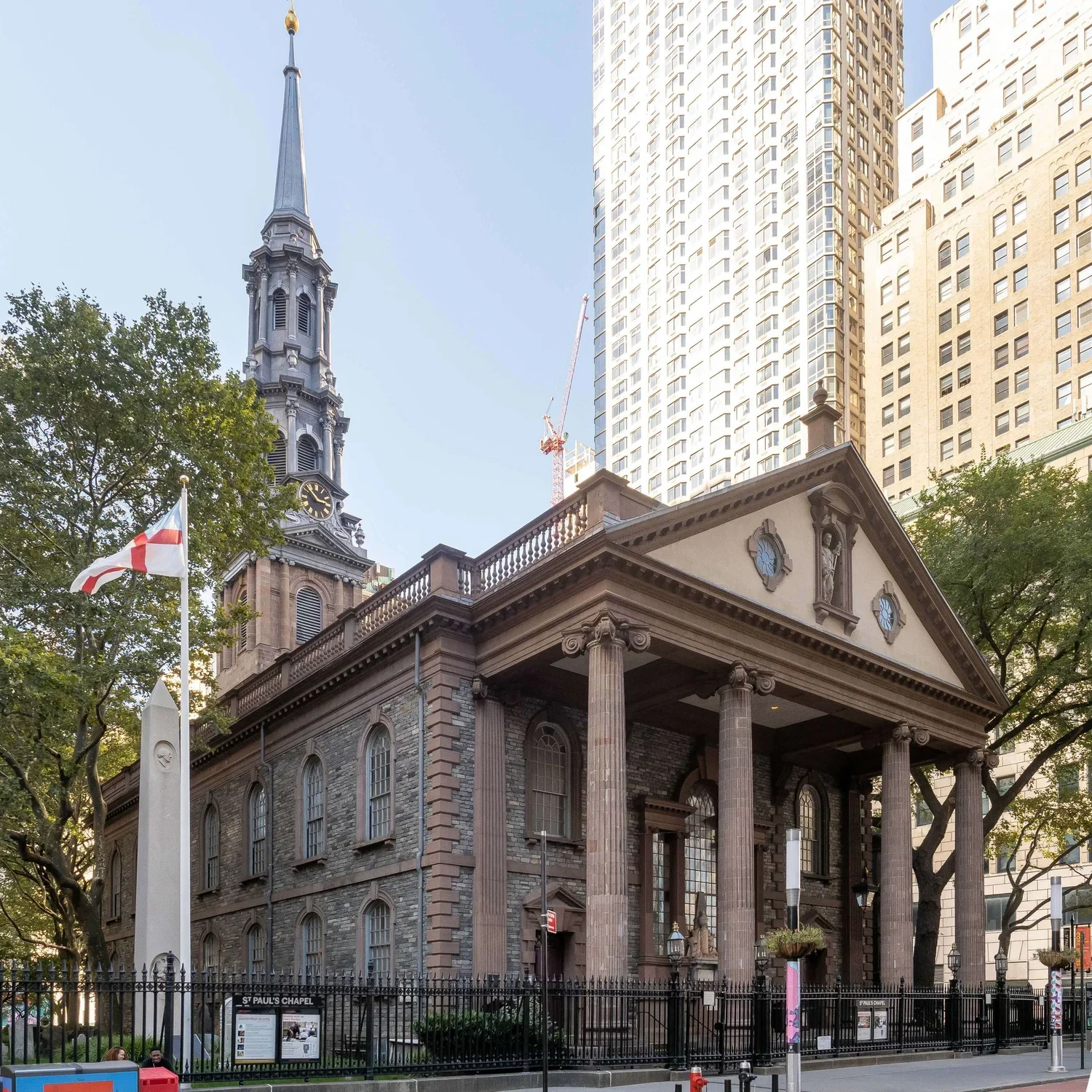
Built in 1766, St. Paul's Chapel is the oldest surviving church building in Manhattan and one of my favorite reminders of just how old New York really is. George Washington worshipped here following his inauguration in 1789, and more than two centuries later, the chapel became a place of refuge and support for recovery workers after September 11. Remarkably, it survived the destruction of the World Trade Center just across the street. Step inside and you'll find a peaceful little piece of colonial New York.
The World Trade Center
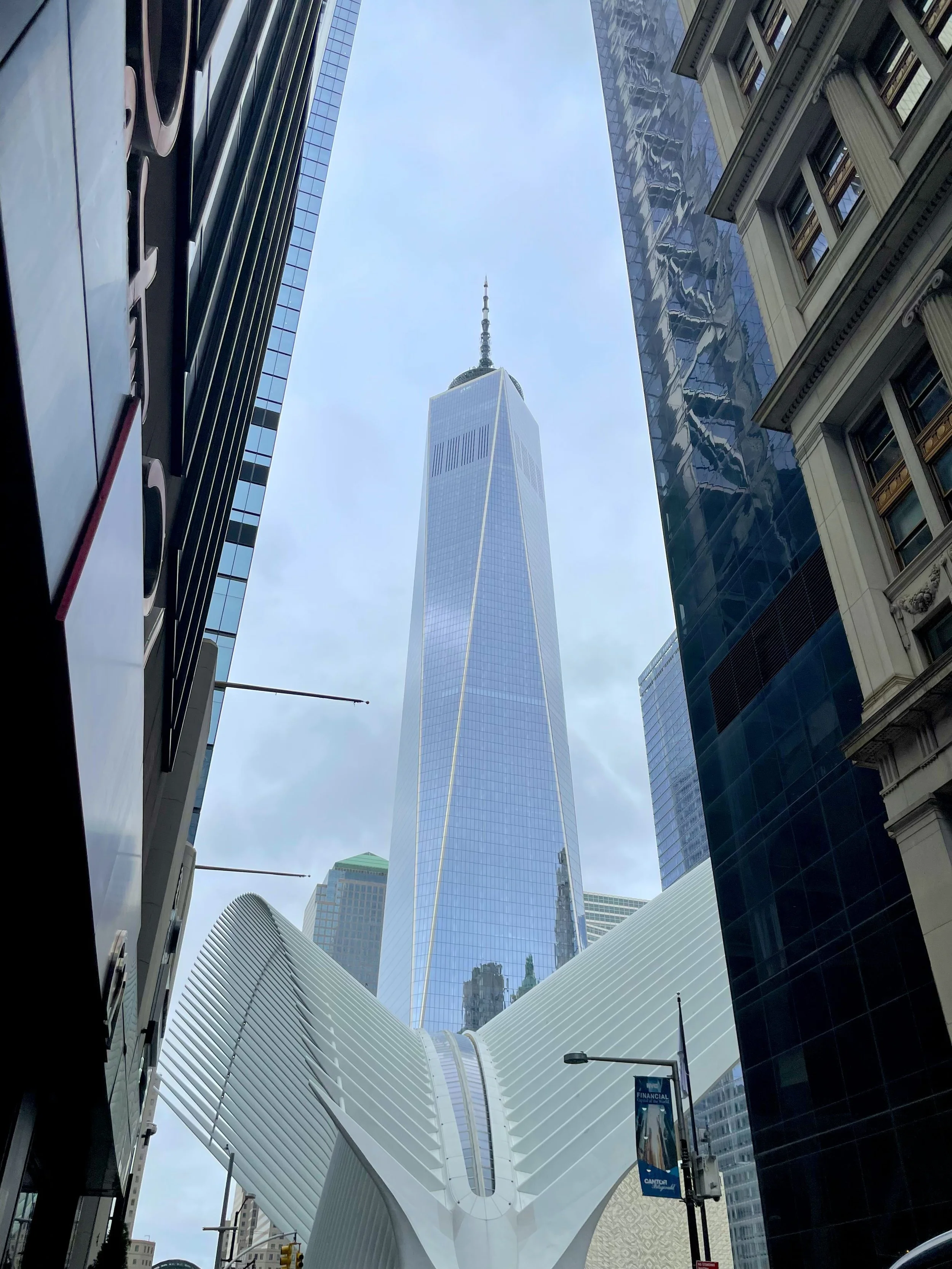
Few places in New York carry as much history and emotion as the World Trade Center. The original Twin Towers, completed in the early 1970s, became defining features of the Manhattan skyline before their destruction on September 11, 2001. Today, the site is home to One World Trade Center, the 9/11 Memorial and Museum, and the remarkable Oculus transportation hub. It's a place of remembrance, resilience and renewal, and one that continues to shape the story of New York City.
Trinity Church
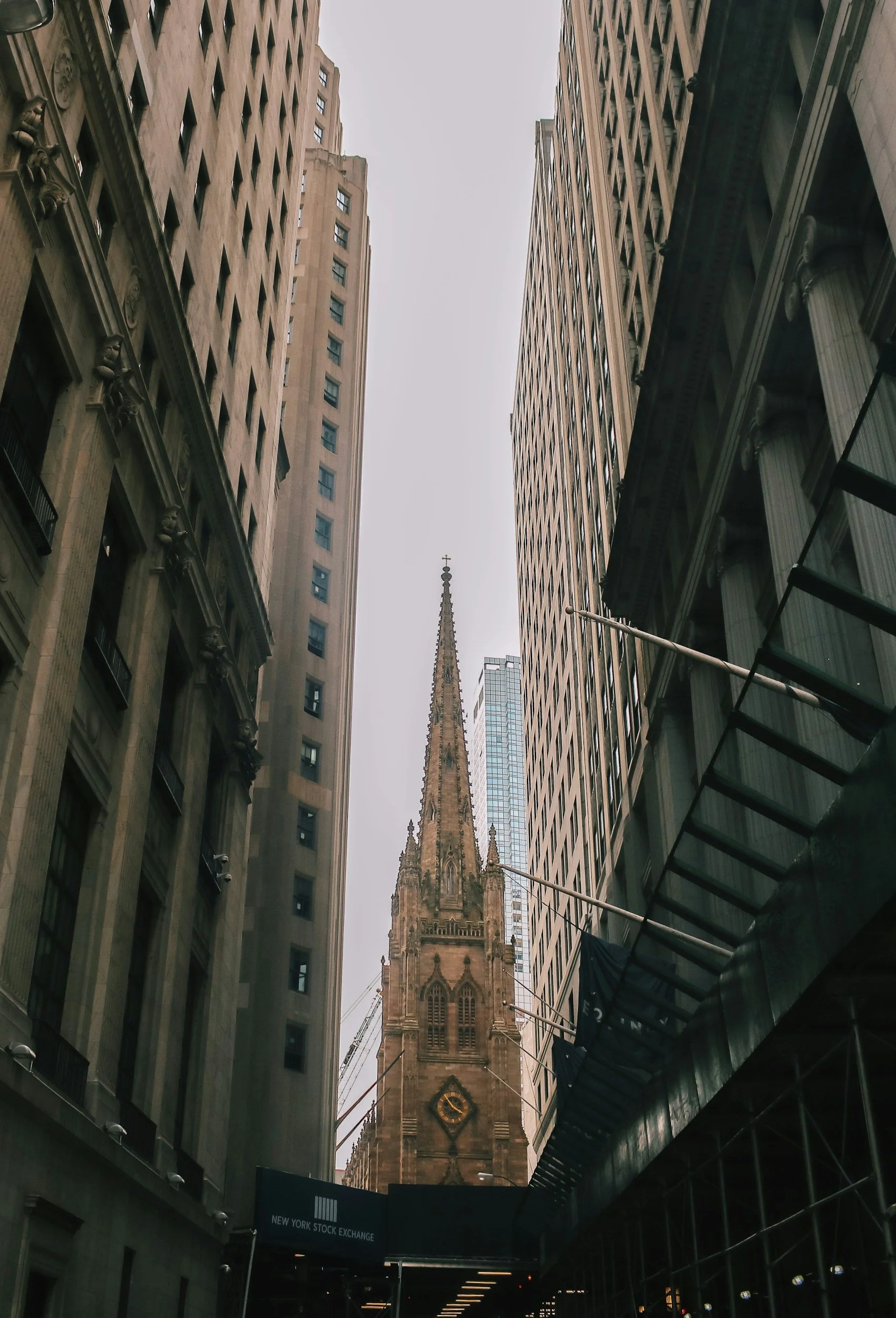
At the foot of Wall Street stands Trinity Church, one of New York's most recognizable historic landmarks. The current Gothic Revival church was completed in 1846, although the congregation dates back to 1697. For a time, its 281 foot spire dominated the Manhattan skyline, making it the tallest building in the city. Today, it's surrounded by towering office buildings, but the church and its historic cemetery remain a wonderful reminder of old New York. Alexander Hamilton is among the notable New Yorkers buried here.
Parks & Waterfront
For a neighborhood known for its towering skyscrapers and narrow streets, the Financial District has surprisingly easy access to some wonderful outdoor spaces. You can sit beneath the trees in City Hall Park, wander through the gardens of The Battery or head west toward the Hudson River for beautiful waterfront views. It's one of the things I really like about Lower Manhattan. You can go from the energy of Wall Street to a peaceful spot overlooking New York Harbor in just a few minutes.
South Street Seaport
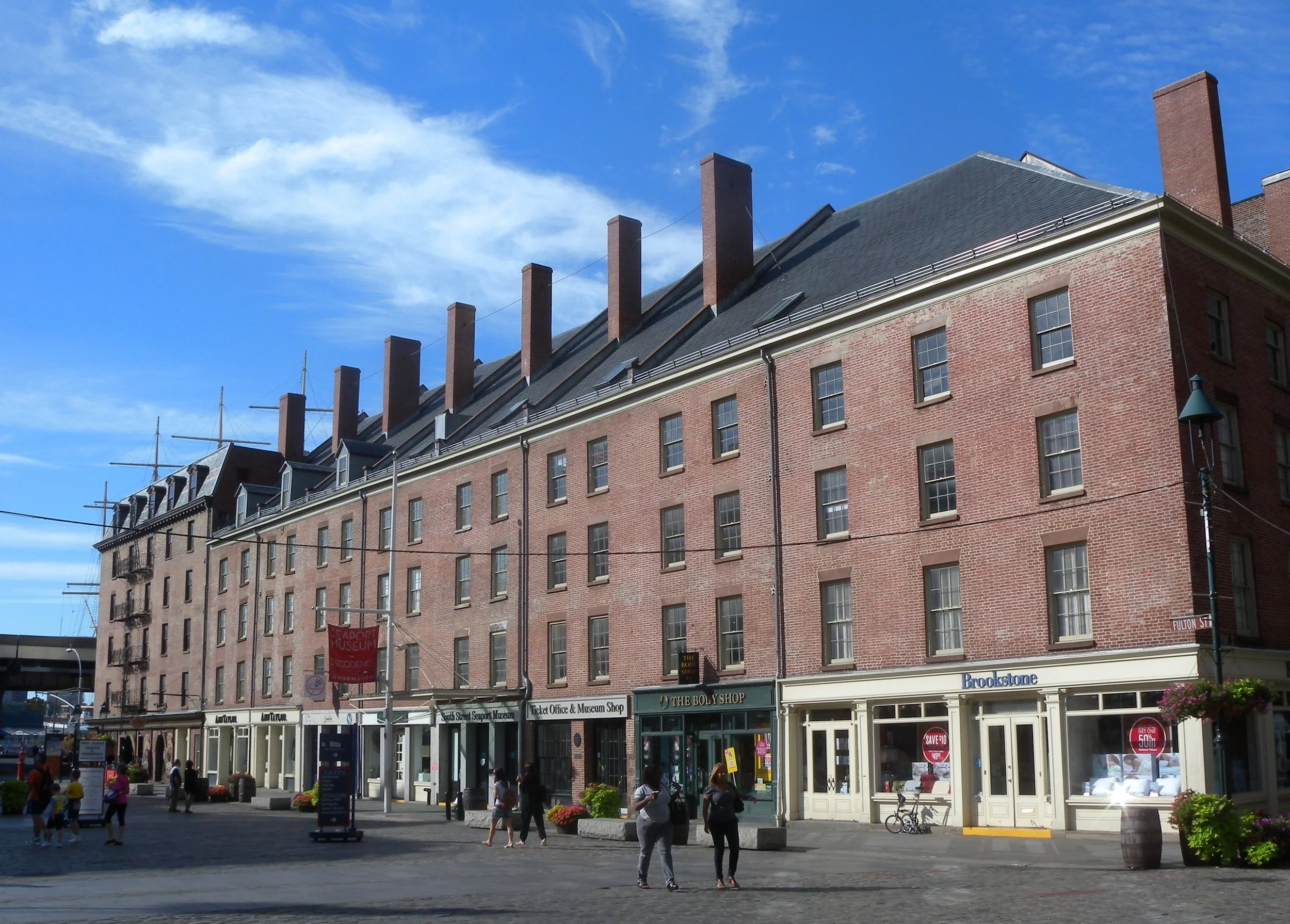
Long before Wall Street became the center of American finance, New York's waterfront was the heart of the city's economy. The South Street Seaport was once one of the busiest commercial ports in the country, filled with merchant ships, warehouses and sailors arriving from around the world. Today, the historic district combines beautifully preserved 19th century buildings with restaurants, shops and waterfront attractions. I particularly love walking along the East River here, where you can still get a sense of New York's maritime past while enjoying some fantastic views of the Brooklyn Bridge.

Bowling Green
Bowling Green may be small, but it holds an enormous place in New York City's history. Established as a public park in 1733, it's the oldest public park in the city. During the colonial era, a statue of King George III stood nearby until an angry crowd pulled it down in July 1776 following the Declaration of Independence. The park's historic iron fence still stands today, and if you look closely, you can see where decorative finials were removed during the Revolutionary period. It's a fascinating little piece of history surrounded by modern Lower Manhattan.
The Battery
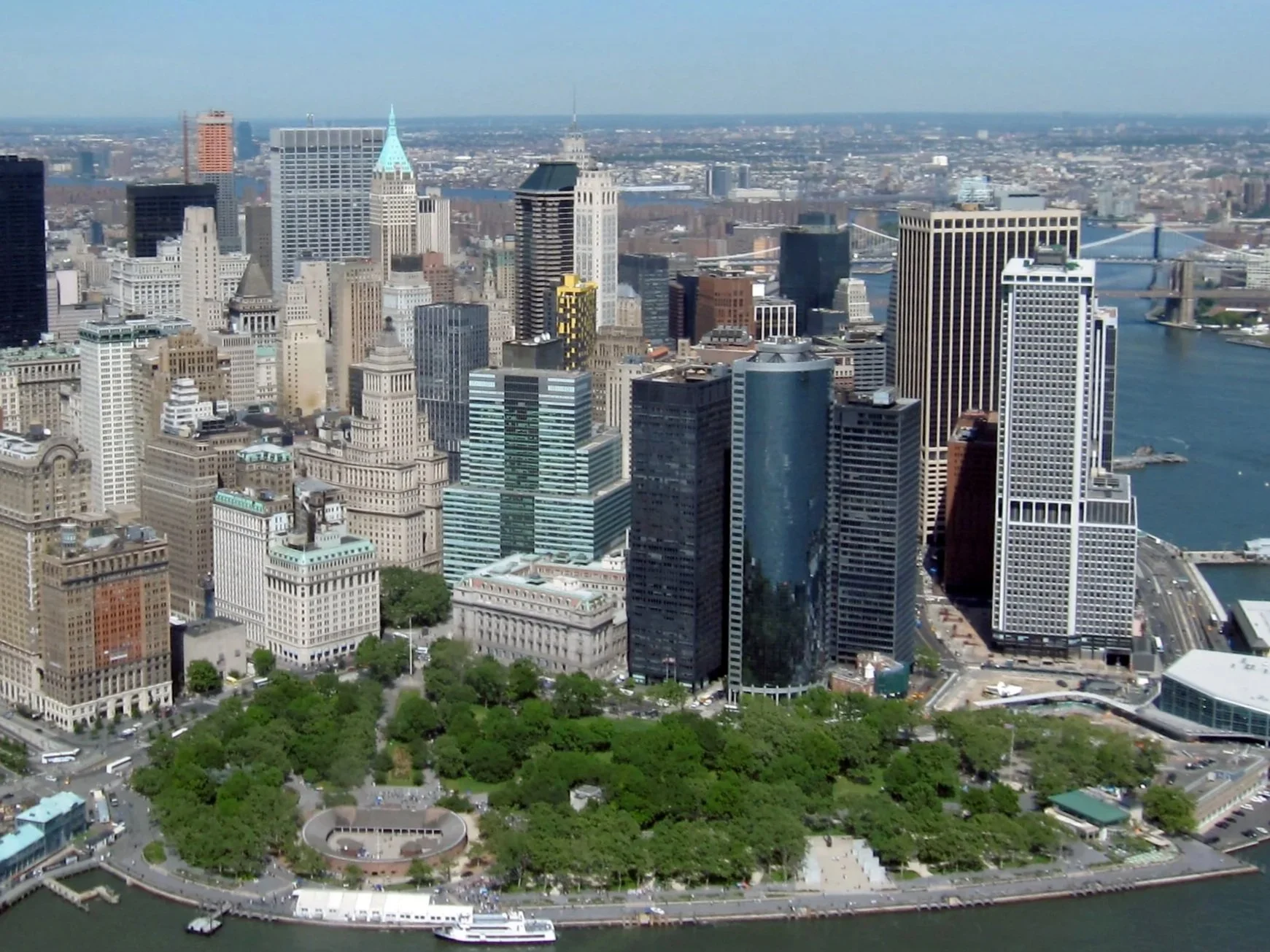
At the southern tip of Manhattan, The Battery is one of the city's most beautiful and historically significant parks. Its name comes from the artillery batteries that once defended New York Harbor, and for centuries this waterfront was a gateway to the city. Today, you'll find beautiful gardens, winding pathways, Castle Clinton and some of the best views of the Statue of Liberty and New York Harbor. It's also where ferries depart for Liberty Island and Ellis Island, making it a wonderful place to begin exploring Lower Manhattan.

City Hall Park
City Hall Park may be small, but it's played an important role in New York City's history for centuries. Today, it's a wonderful place to grab a bench, read a book or simply escape the surrounding streets for a few minutes. During the colonial era, the area was a gathering place for protests against British rule, and in July 1776, the Declaration of Independence was read aloud to George Washington's troops nearby. It's pretty remarkable to think about everything that's happened here, especially when you look around today and see New Yorkers sitting in the same area scrolling through their phones.

Food & Drink
For a neighborhood once known primarily for power lunches and after work drinks, the Financial District has developed a surprisingly interesting food scene. You can grab a pint in a historic tavern, enjoy oysters in a beautiful old dining room or settle into one of the newer restaurants that have helped transform Lower Manhattan into a destination well beyond the workday. What makes dining down here especially fun is the setting. Some of these places are surrounded by streets and buildings that have been part of New York for centuries.
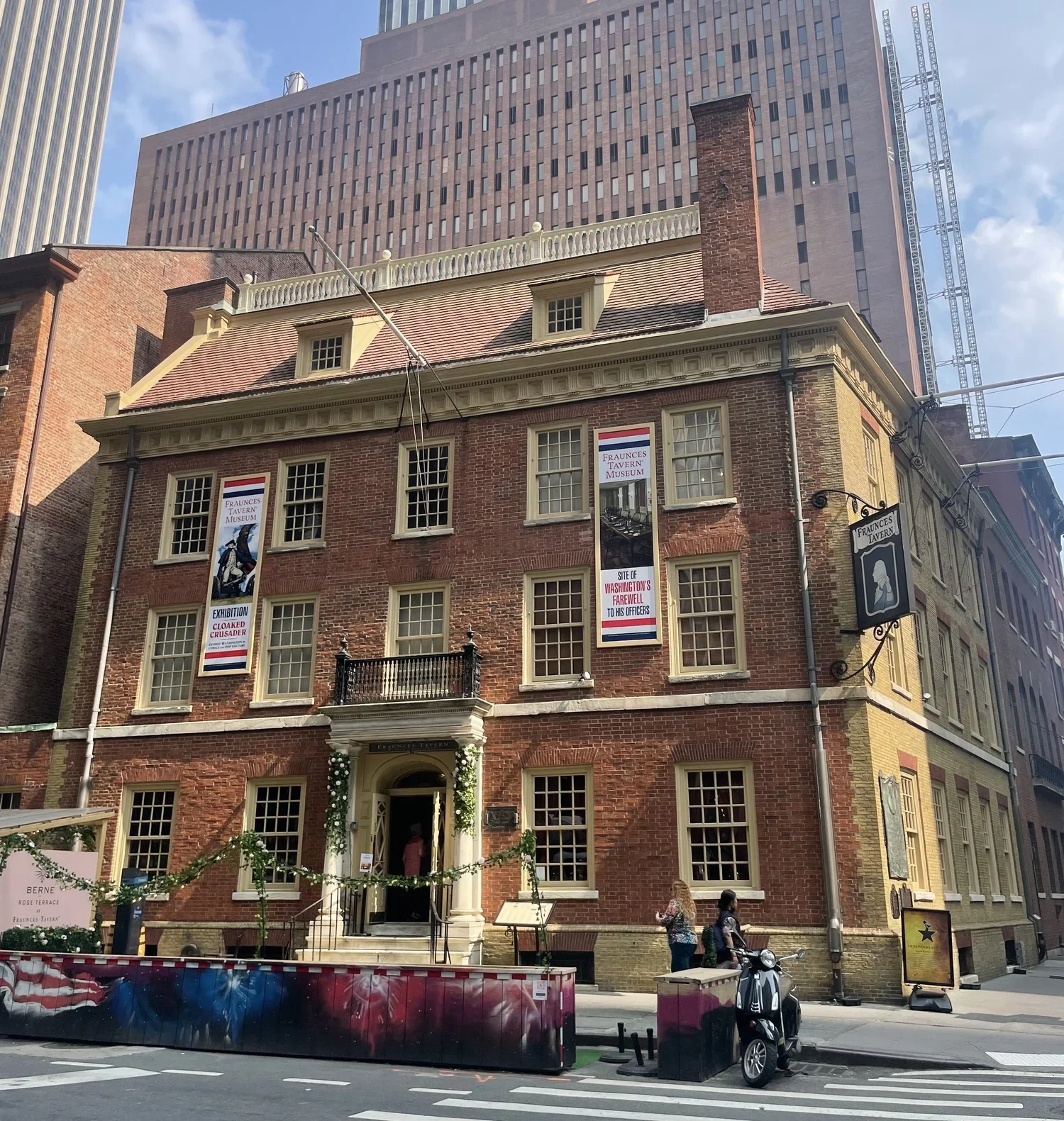
Fraunces Tavern
If you love New York history as much as I do, Fraunces Tavern is a must visit. Located at 54 Pearl Street, this historic tavern is best known as the place where George Washington bid farewell to his officers in December 1783, following the Revolutionary War. The building's history stretches back to the early 18th century, and today it houses both a museum and a restaurant. There's something pretty remarkable about sitting down for a drink in a place connected to the earliest days of American independence.
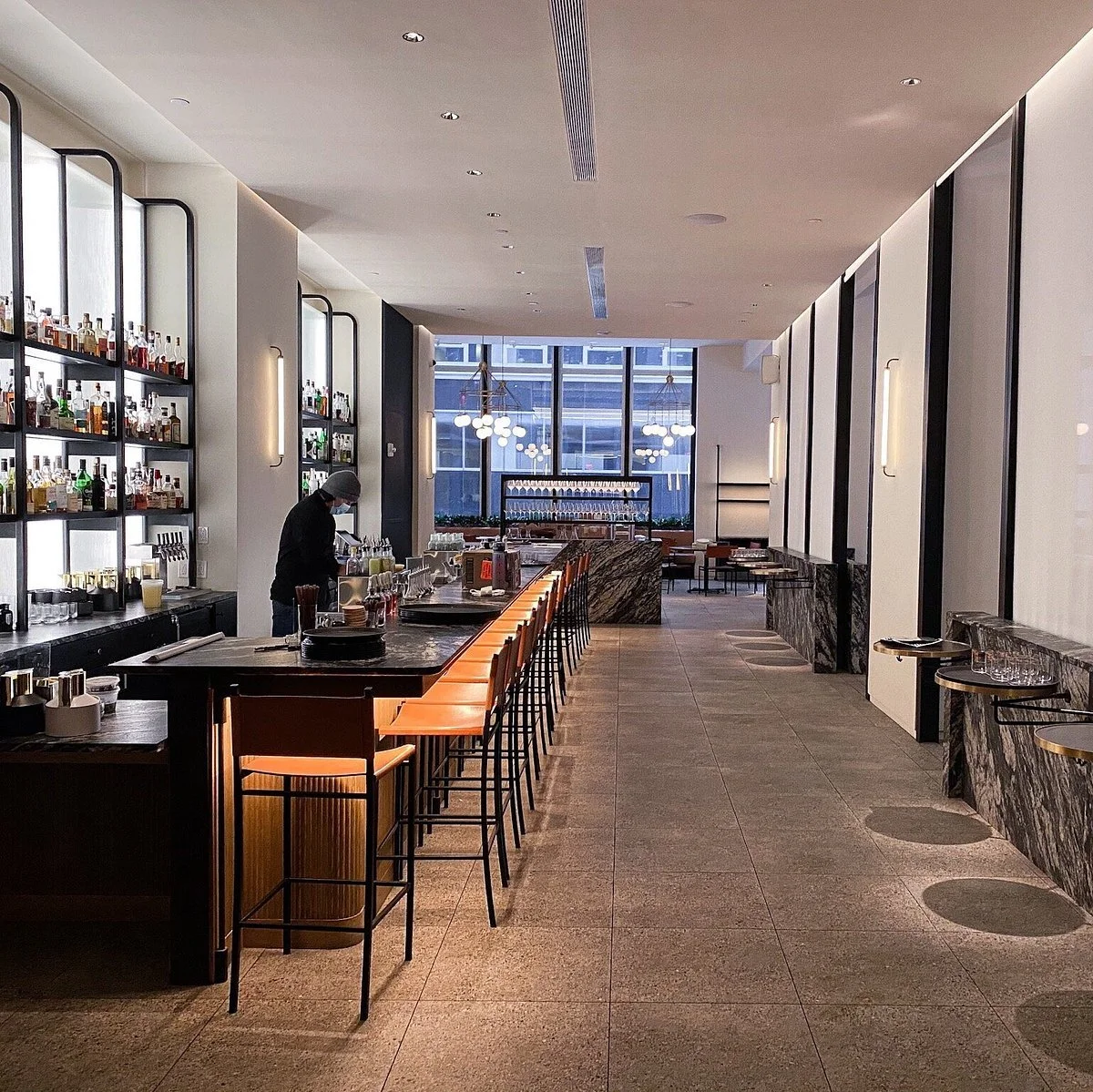
Crown Shy
Located on the ground floor of the magnificent Art Deco skyscraper at 70 Pine Street, Crown Shy is one of the Financial District's standout dining destinations. The restaurant brings a modern, creative approach to American cuisine, but for me, the setting is just as interesting as the food. The building was completed in 1932 as the headquarters of Cities Service, and its beautiful Art Deco details are a reminder of the era when Lower Manhattan's skyline was being transformed. It's a wonderful combination of great food and New York architectural history.
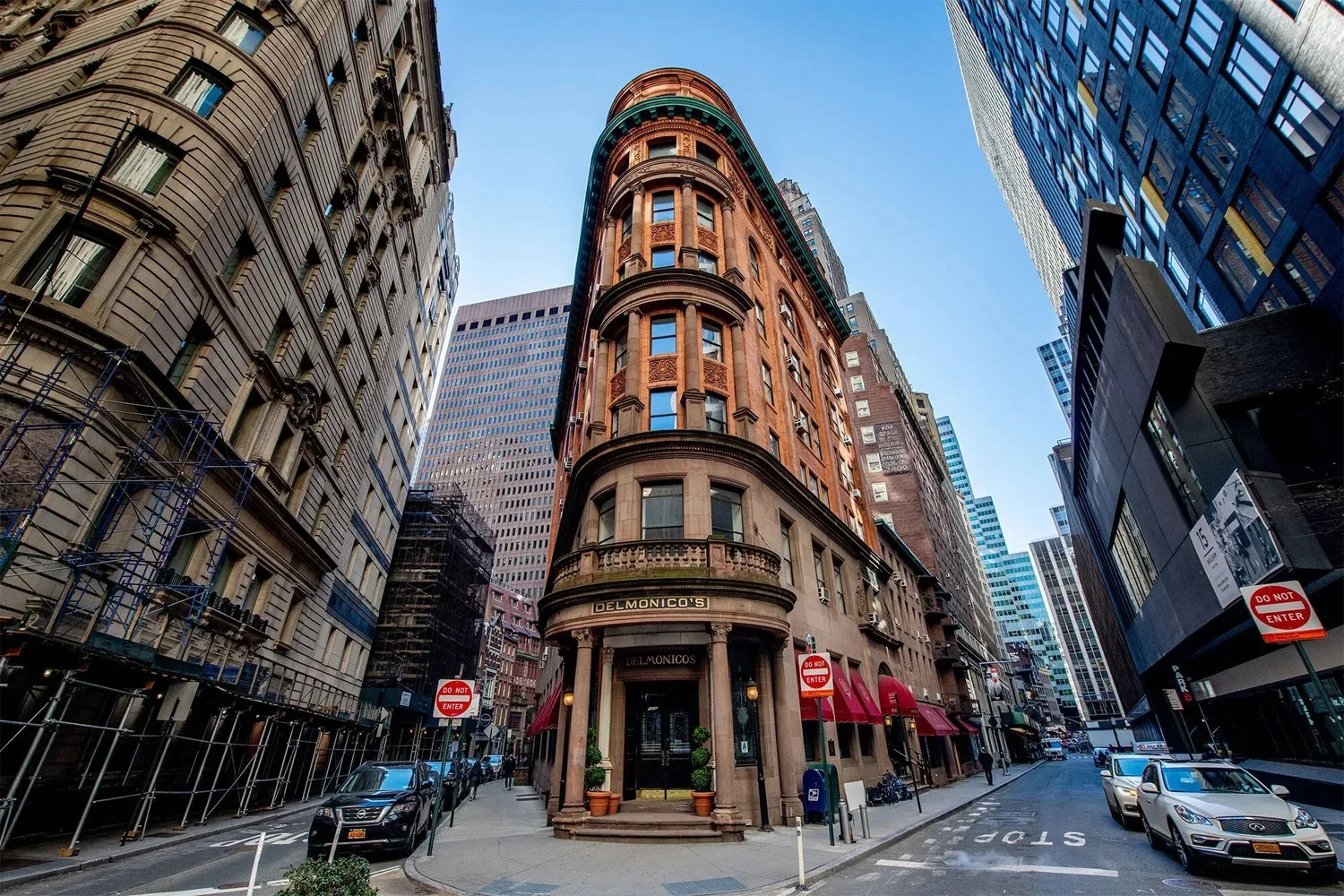
Delmonico’s
Few restaurants have played a bigger role in New York's dining history than Delmonico's. The Delmonico family opened their first establishment in 1827, eventually helping introduce a new level of fine dining to the city. Their famous Beaver Street restaurant, housed in a building dating to 1891, became a gathering place for wealthy New Yorkers, politicians and prominent figures during the Gilded Age. Today, Delmonico's remains one of the city's most recognizable restaurant names, with a history that's nearly as fascinating as the neighborhood surrounding it.
History & Architecture
If you're interested in New York City history, I don't think there's a more fascinating neighborhood to explore than the Financial District. This is where the Dutch established New Amsterdam in the 17th century, where George Washington became our first president, and where the city's earliest merchants and financial institutions helped lay the groundwork for what New York would eventually become.
And the architecture tells that story beautifully. Narrow streets that predate Manhattan's famous grid wind between historic churches, centuries old landmarks and some of the most extraordinary skyscrapers ever built. From the colonial era to the Art Deco boom of the early 20th century, few neighborhoods offer such a remarkable look at the evolution of New York.

The Castello Plan: New Amsterdam in 1660
The Castello Plan is one of the most fascinating glimpses into New York City's earliest days. Created around 1660, this remarkably detailed map shows New Amsterdam when Manhattan was still a small Dutch settlement clustered around the southern tip of the island. You can make out its narrow streets, homes, gardens, waterfront and the defensive wall that would eventually give Wall Street its name. What's incredible is how much of that original street layout still exists today, more than 360 years later.
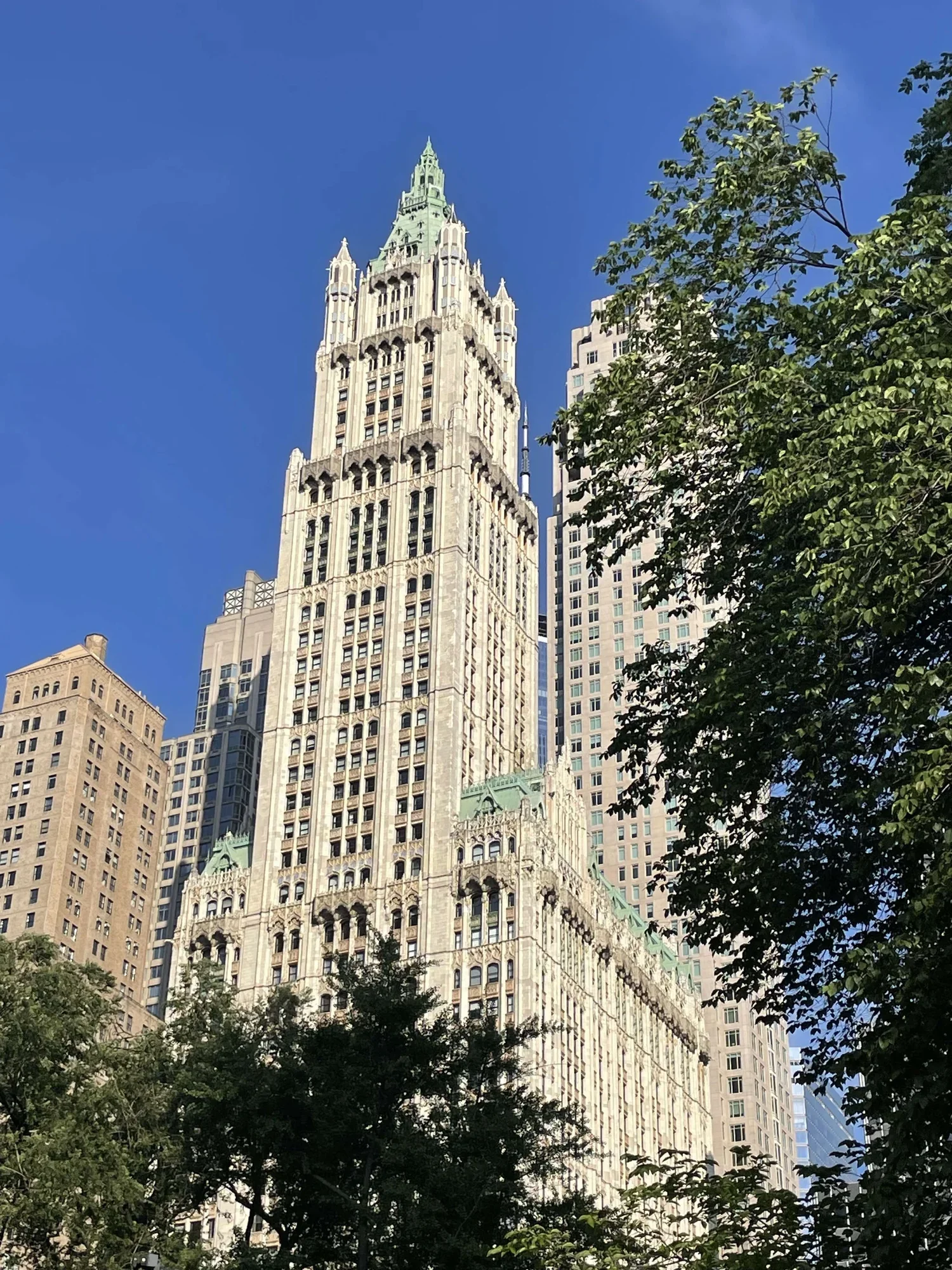
The Woolworth Building
When the Woolworth Building opened in 1913, it was the tallest building in the world, and its magnificent Gothic architecture earned it the nickname "Cathedral of Commerce." More than a century later, it remains one of my favorite skyscrapers in New York. While the surrounding skyline has changed dramatically, the Woolworth Building is a wonderful reminder of an era when skyscrapers were designed to be works of art.
Bridge Cafe
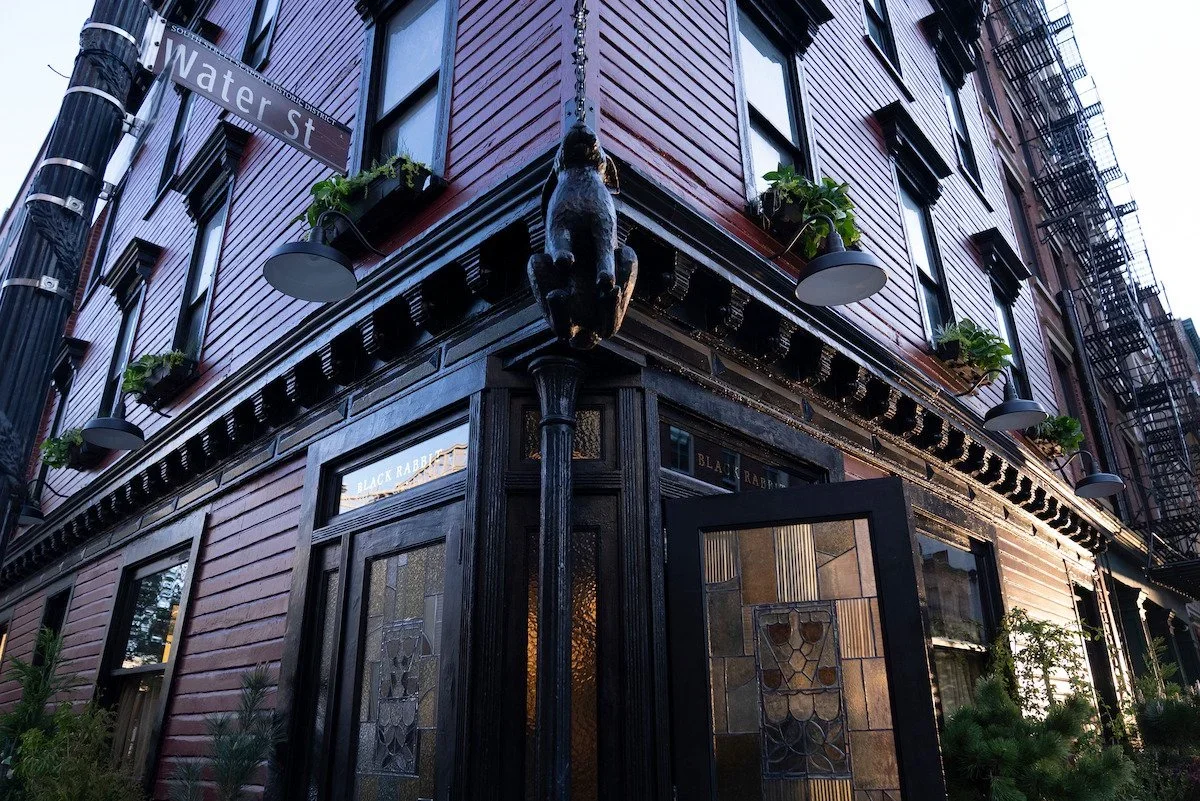
Tucked away at 279 Water Street, the Bridge Café is one of Lower Manhattan's most fascinating historic buildings. Dating back to 1794, this unassuming little brick building has lived many lives, from a waterfront tavern serving sailors and dockworkers to a notorious neighborhood watering hole. Once considered one of New York's oldest continuously operating drinking establishments, it closed following Hurricane Sandy in 2012. Today, the building remains a wonderful reminder of the rough and colorful waterfront that once defined this part of Manhattan.
The Singer Building
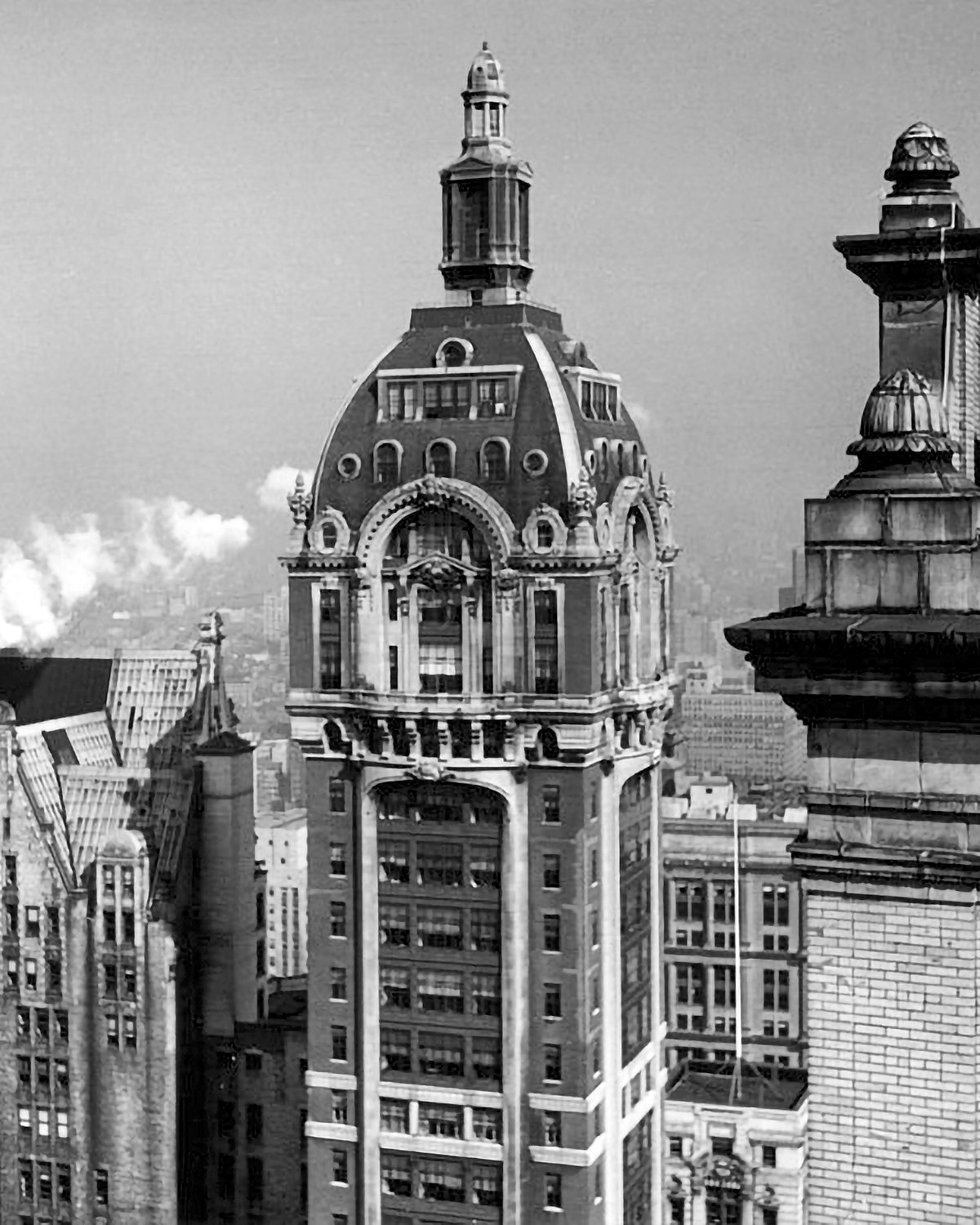
Once one of the most recognizable buildings in the New York skyline, the Singer Building was completed in 1908 and briefly held the title of tallest building in the world. Its magnificent tower rose above Broadway and Liberty Street until it was demolished in 1968, making it one of the city's most extraordinary lost landmarks. It's hard to believe something so remarkable could simply disappear from the skyline.
Living in the Financial District
One of the most interesting transformations in Lower Manhattan has been the Financial District's evolution from a predominantly commercial neighborhood into a place that thousands of New Yorkers now call home.
Many of the buildings that once housed banks and corporate offices have been converted into residential apartments, often with soaring ceilings, oversized windows and architectural details you simply don't find in newer construction. Alongside them are modern condominium towers offering incredible views of the harbor and Manhattan skyline.
For buyers and renters, FiDi offers something a little different from the rest of Manhattan. There's a wonderful mix of old and new, easy access to transportation, waterfront parks and an increasingly lively neighborhood atmosphere. And for someone like me, who loves both real estate and New York history, it's a particularly interesting place to explore.
15 Broad Street | Downtown by Philippe Starck
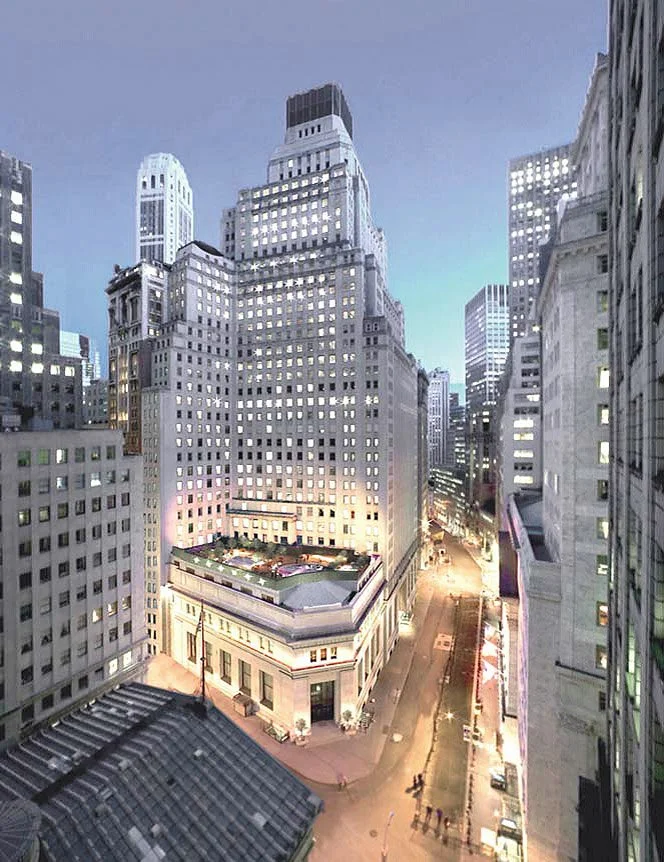
Located directly across from the New York Stock Exchange, 15 Broad Street is a wonderful example of how the Financial District has reinvented itself. Originally built in 1928 as an office building, it was transformed into luxury residences in the early 2000s, with interiors designed by Philippe Starck. Today, the building combines the grandeur of Wall Street's financial past with modern amenities and loft style living. It's a fascinating example of old New York finding an entirely new purpose.
20 Pine Street | The Collection
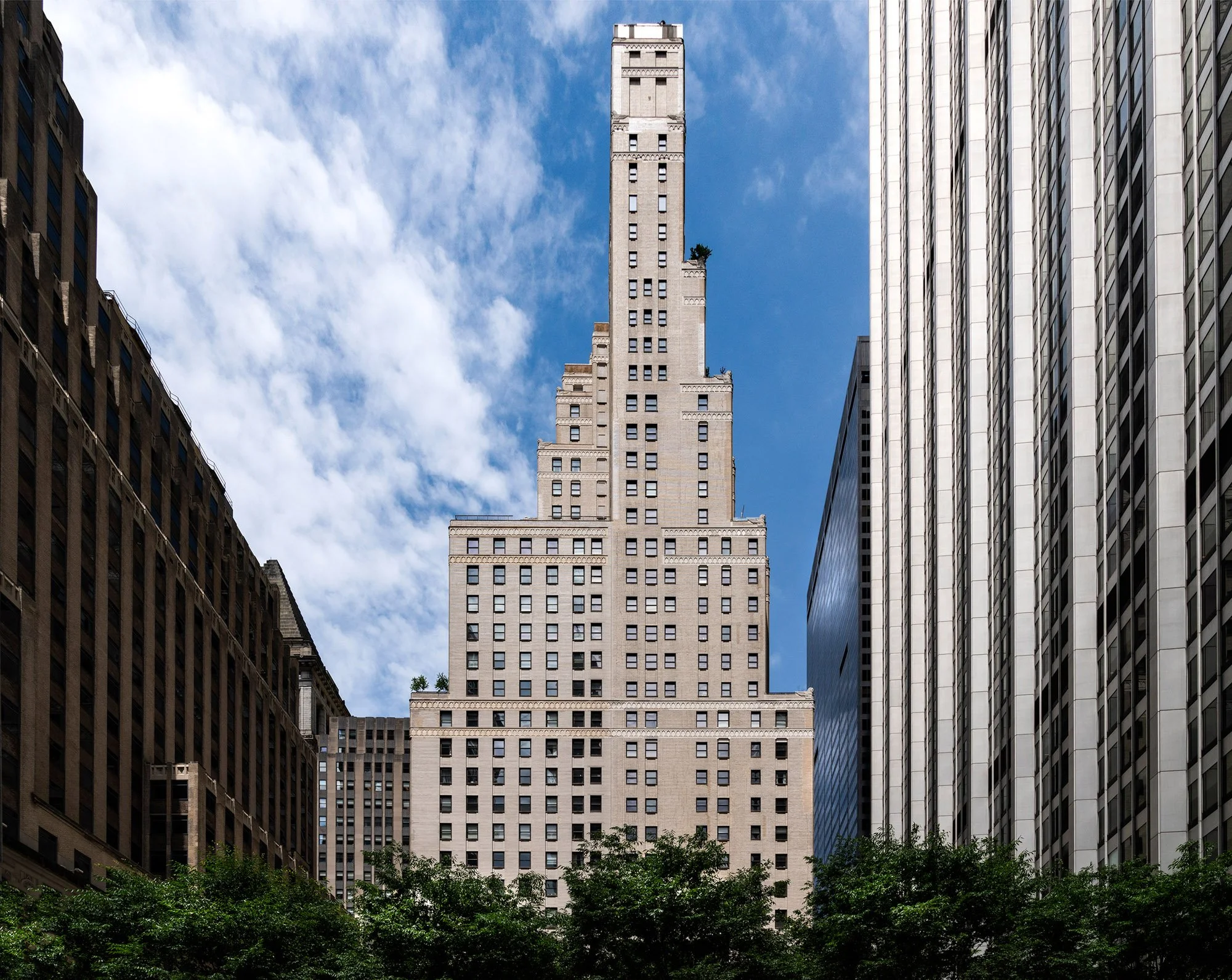
Just a short walk away, 20 Pine Street offers another remarkable example of the Financial District's architectural evolution. Completed in 1928, this beautiful Art Deco building originally served as the headquarters of the Morgan Guaranty Trust Company. Nearly eight decades later, it was converted into luxury condominium residences, preserving much of its historic character while introducing contemporary interiors and amenities. It's exactly the kind of building that makes living in FiDi so interesting, where a former banking headquarters can become someone's home.
130 William Street
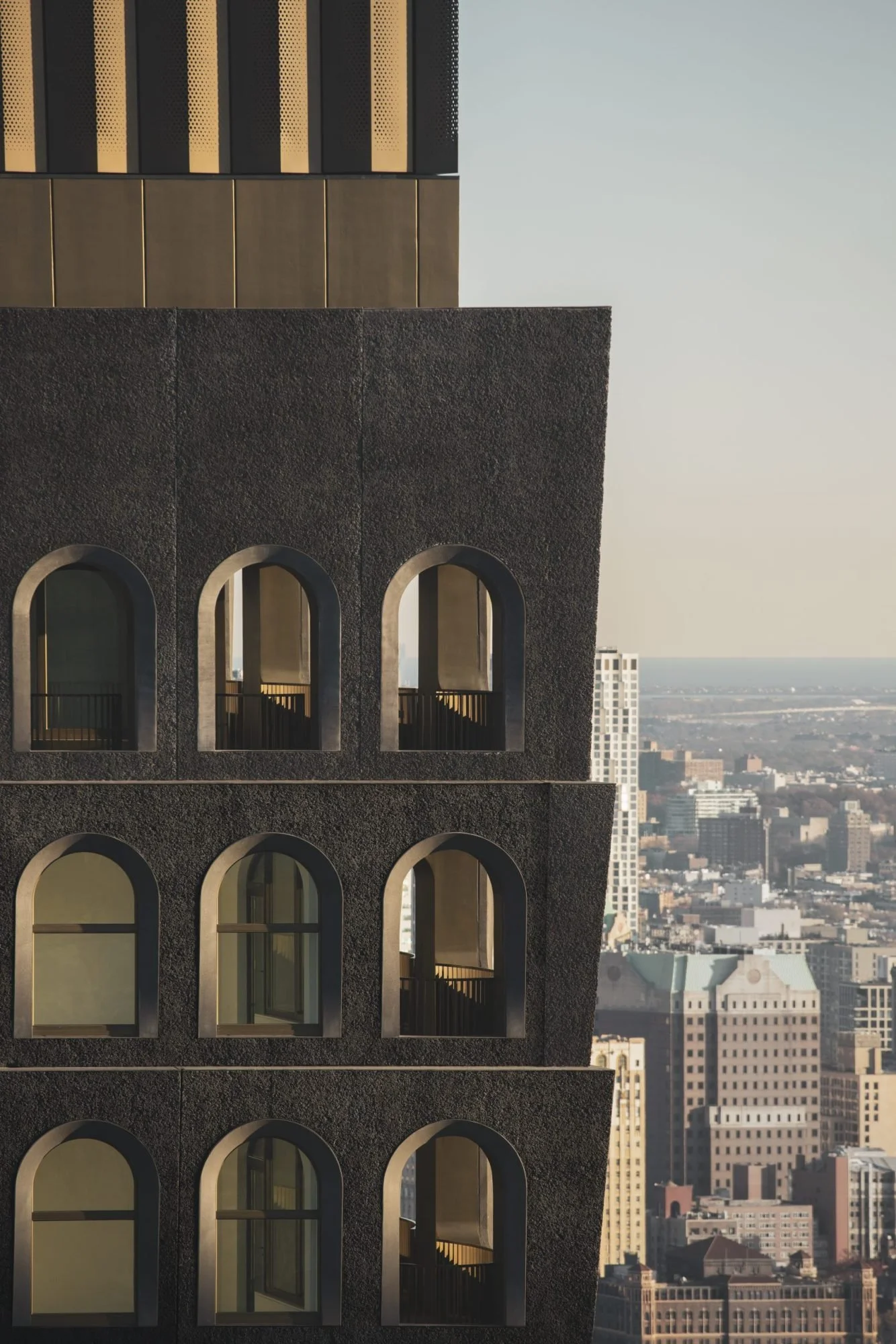
While much of the Financial District's residential growth has come from converting historic office buildings, 130 William Street represents an entirely new chapter. Designed by architect David Adjaye, this striking condominium tower was completed in 2021 and features a distinctive facade with oversized arched windows inspired by New York's historic architecture. Rising 66 stories above Lower Manhattan, it's a wonderful example of how modern residential design can draw inspiration from the city's past while creating something entirely new.
About Chris
I’m a New York City real estate advisor with Compass, helping people buy and sell homes throughout Manhattan. I’ve lived here for more than 25 years and have made it my passion to learn and immerse myself in everything New York, from its history and food scene to the arts, architecture, running community and all the little things that make this city tick.
My approach to real estate has been shaped by those experiences and by my love of storytelling. I believe every home, building and neighborhood has a story, and understanding that story can make a real difference when it comes to buying or selling a home in New York.
If you’re thinking about buying or selling in New York City, or simply have a question about the neighborhood or its real estate market, please get in touch.