Bridge Cafe
The Bridge Cafe appears as the exterior filming location for Netflix’s Black Rabbit. Even crazier, this haunted Seaport bar predates the Brooklyn Bridge by nearly a century.
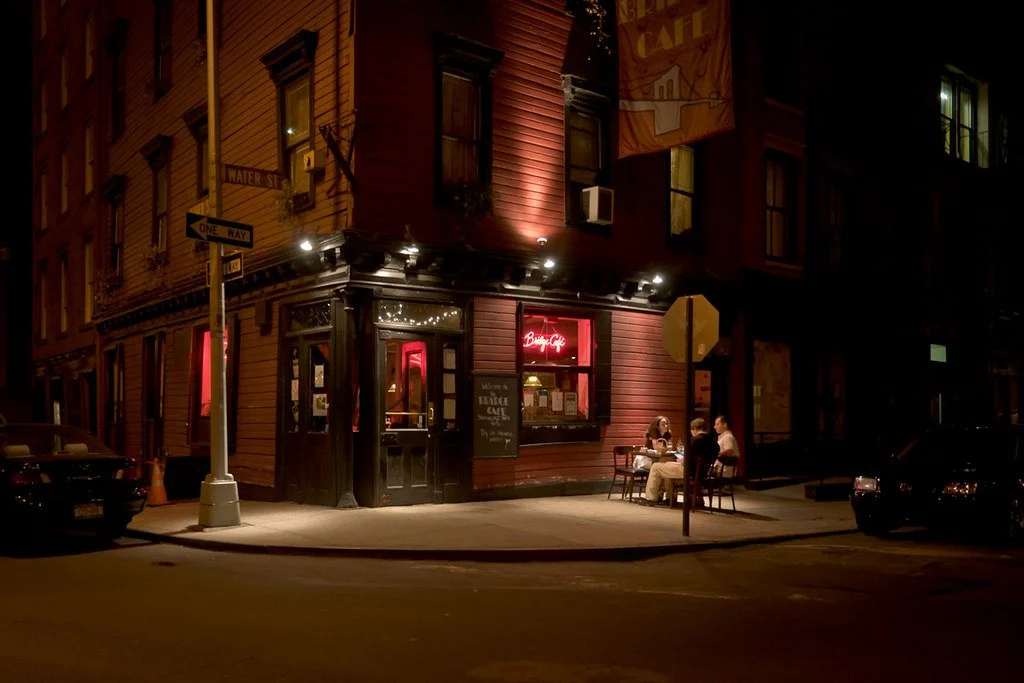
The Bridge Cafe - Photo: WikiCommons
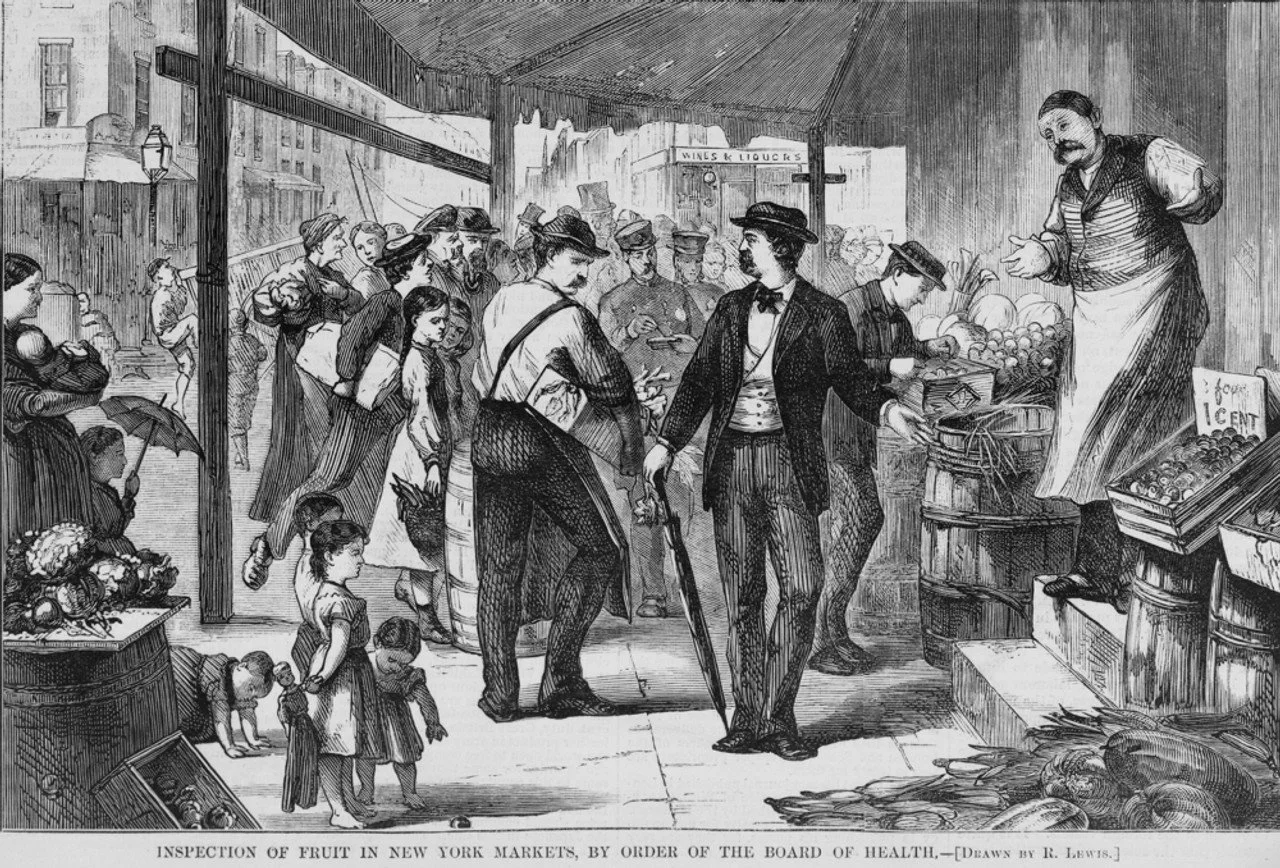
Photo: LOC
Constructed in 1794 it was originally a grocery and wine store. At the time, Water Street was teeming with sailors, merchants, and dockworkers and soon… pirates.
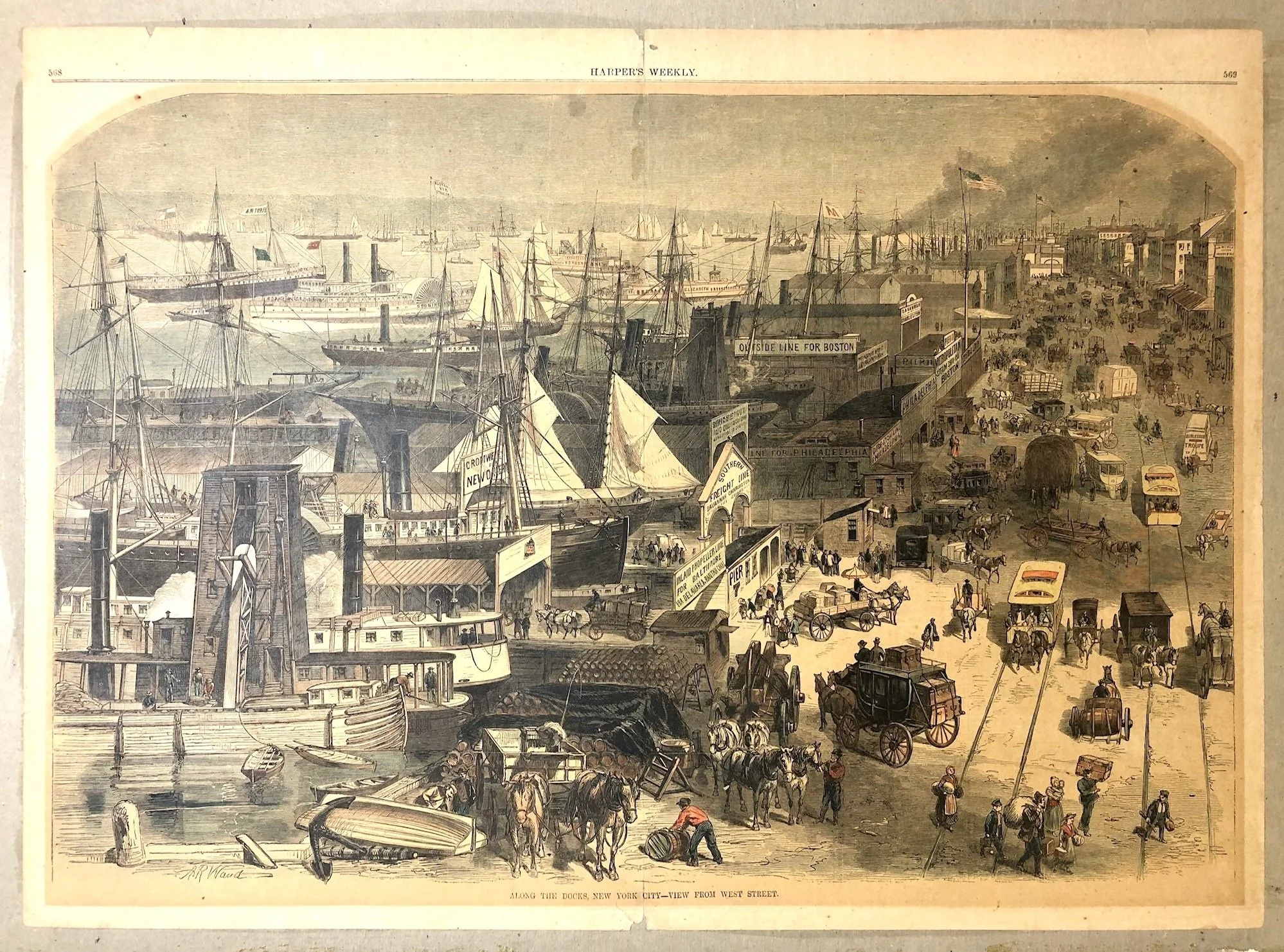
Photo: Harper’s Weekly
By the mid-19th century, the establishment transitioned into a tavern, catering to the working-class. The Seaport became notorious for its rough-and-tumble characters, populated by brothels, saloons, and gambling dens. Henry Williams operated a brothel there from 1847 to 1860 and the prostitutes were actually listed in the census of 1855.
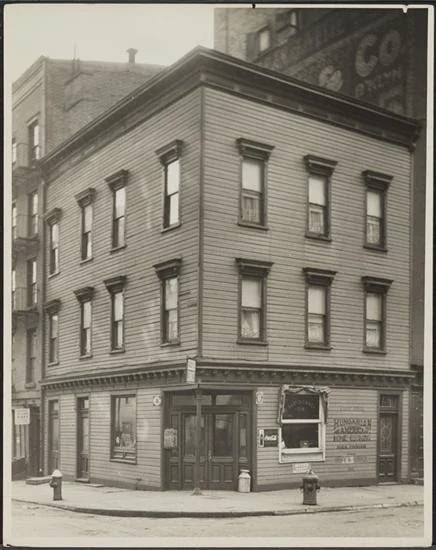
Photo: NYPL Digital Archives
The Hole-in-the-Wall Saloon was one of the East River waterfront’s most notorious dens of vice, a rough-and-ready haunt for sailors in search of a drink, trouble, and a good time. It was also a meeting ground for cutthroat river pirates, ruled by the infamous six-foot-tall Cockney bouncer Gallus Mag, whose intimidating presence was matched only by the small sack of wet sand she kept at her belt, using it to swiftly silence any sailor who got out of line.
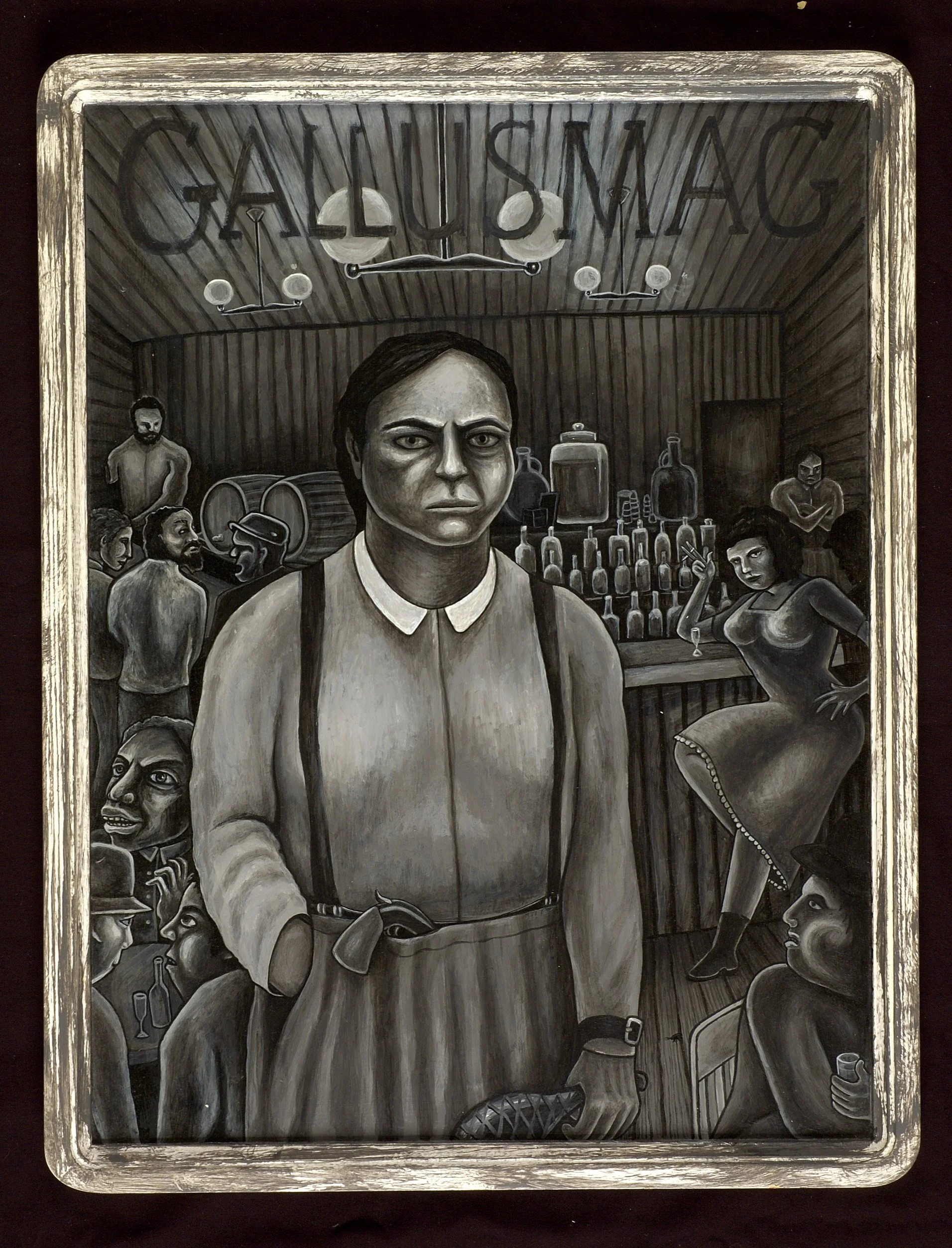
Gallus Mag - Photo: NYPL Digital Archives
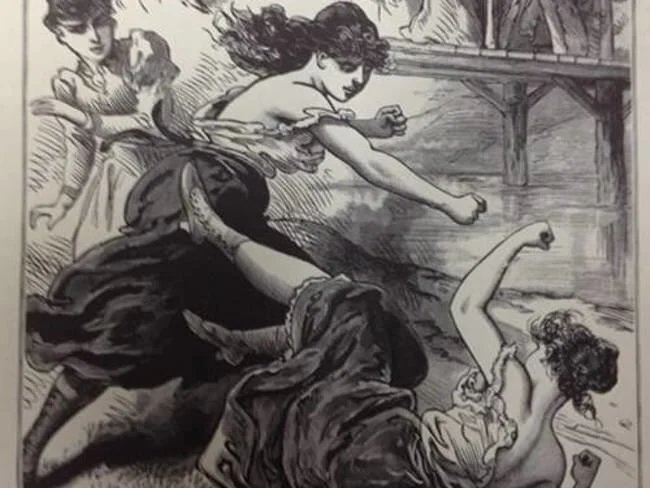
Gallus Mag - Photo: NYPL Digital Archives
Her real name was Mag Perry, but sailors called her Gallus on account of the suspenders, (galluses) that she was fond of wearing. Gallus was said to have had a thing for biting off the ears (or fingers) of troublesome sailors. She allegedly kept them in a jar behind the bar.
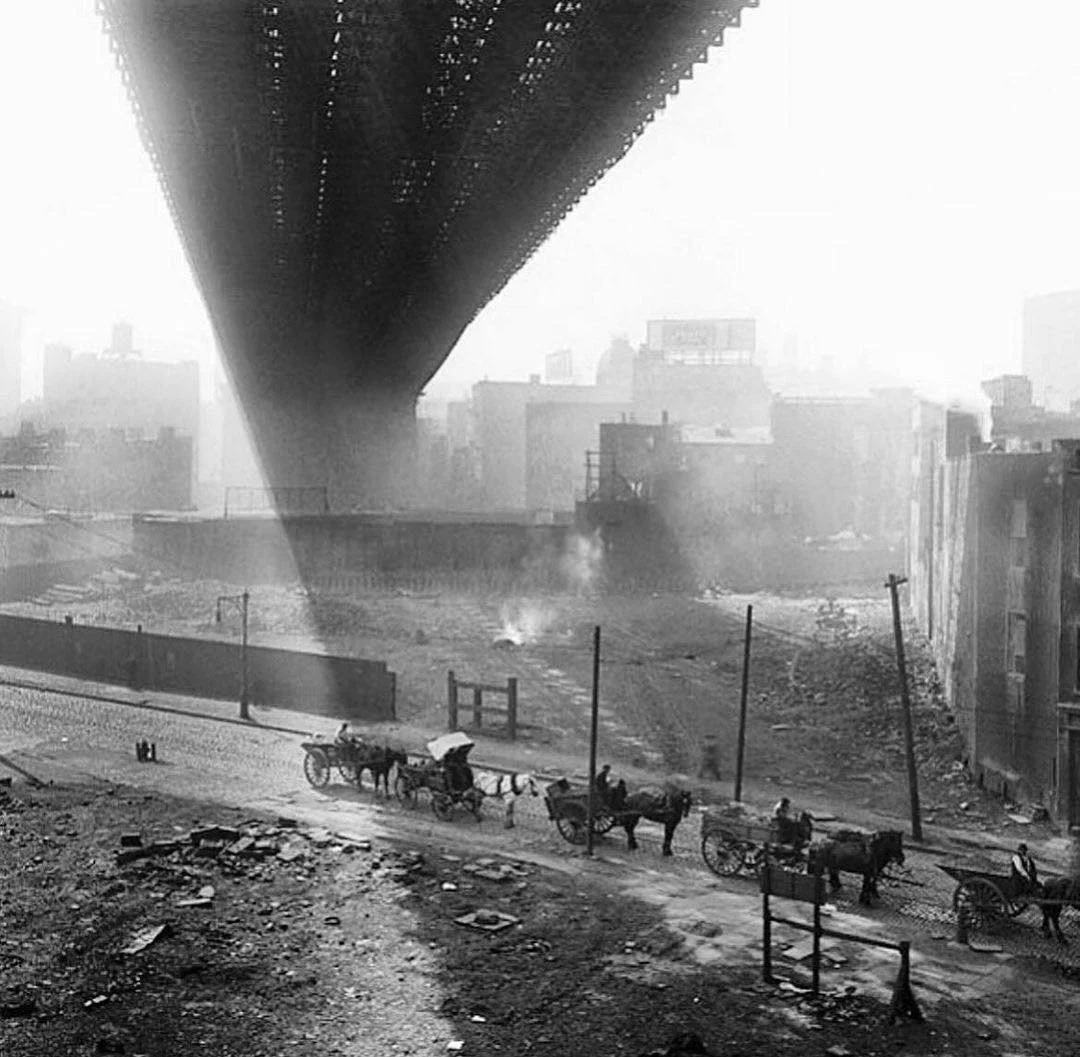
Photo: NYPL Digital Archives
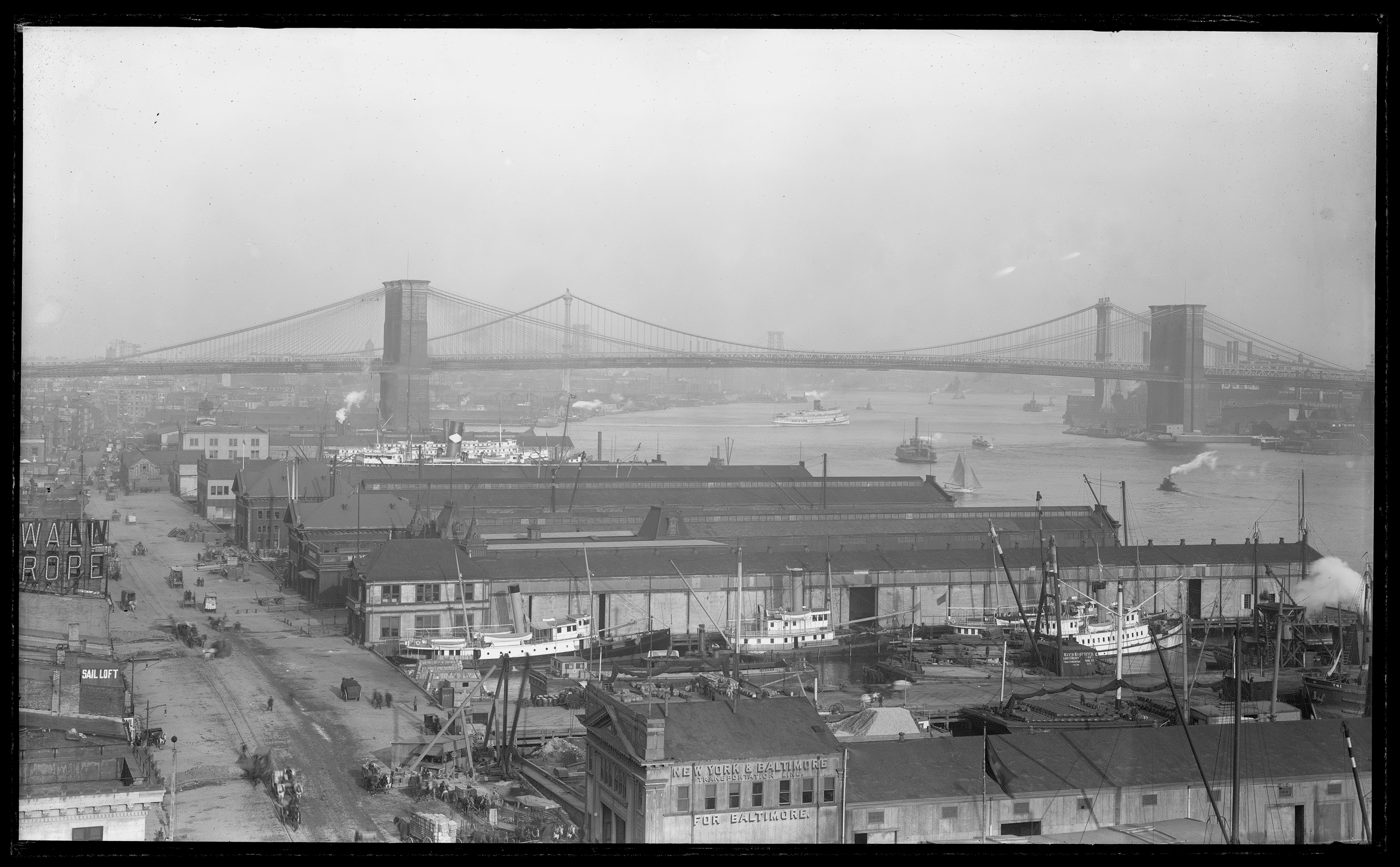
Photo: NYPL Digital Archives
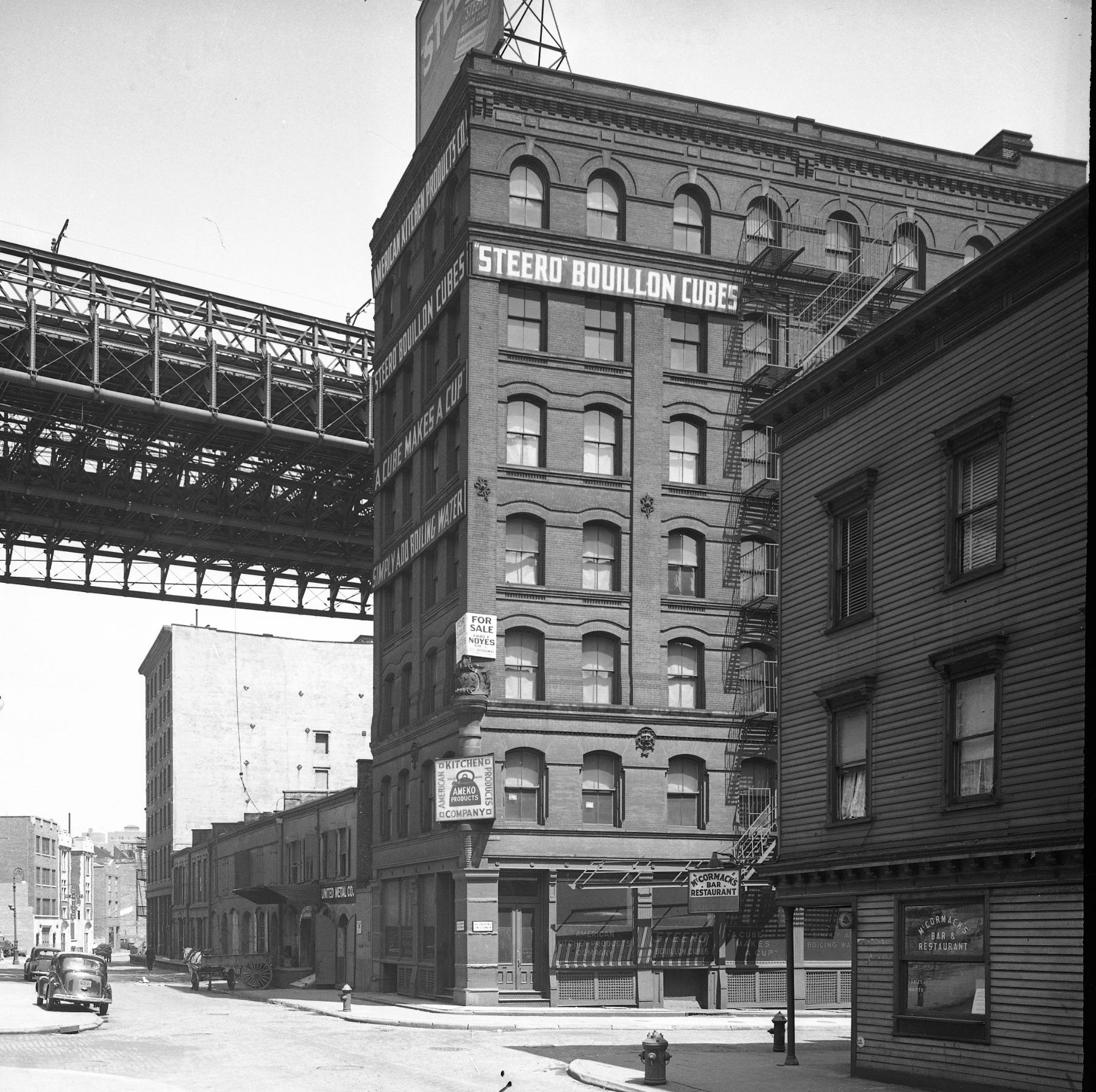
Photo: NYPL Digital Archives
Before it was the Bridge Cafe, it was McCormck's Bar.
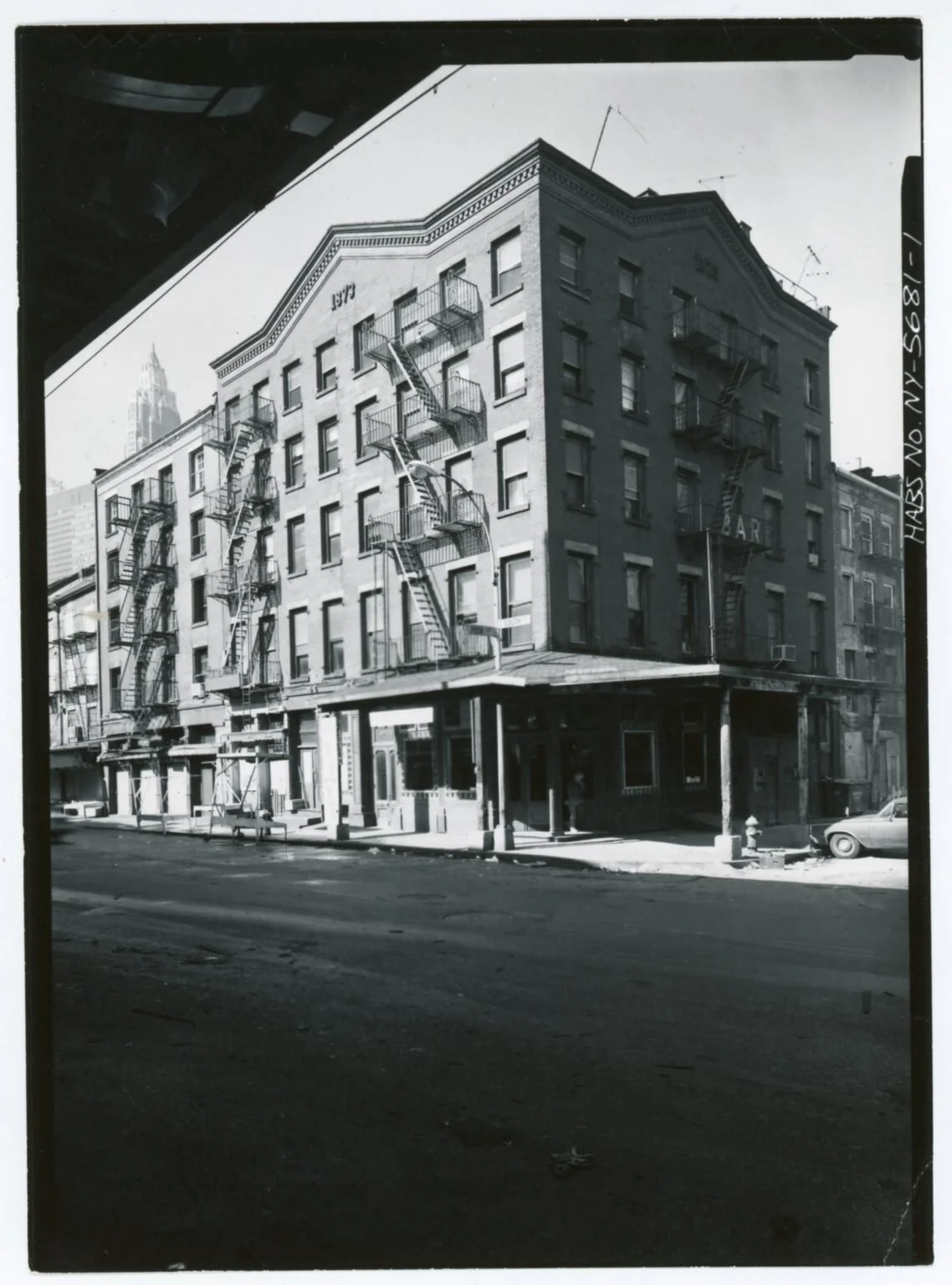
The Seaport in the 1970's - Photo: NYPL Digital Library
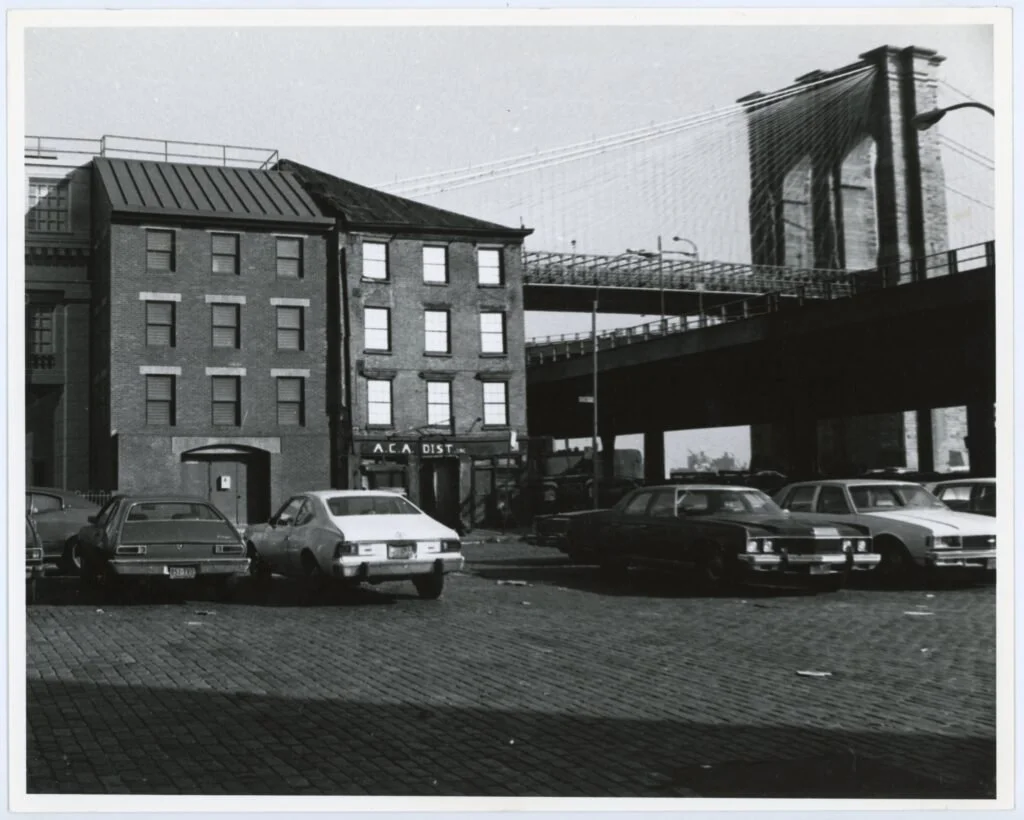
The Seaport in the 1970's - Photo: NYPL Digital Library
The rise of modern shipping and the decline of the Seaport’s prominence led to a gradual downturn in the area. In 1979, Jack Weprin purchased the bar, renamed it The Bridge Café, and transformed it into a restaurant. It quickly became a beloved neighborhood institution, even earning the devotion of Mayor Ed Koch, who dined there regularly and famously declared it his favorite restaurant.
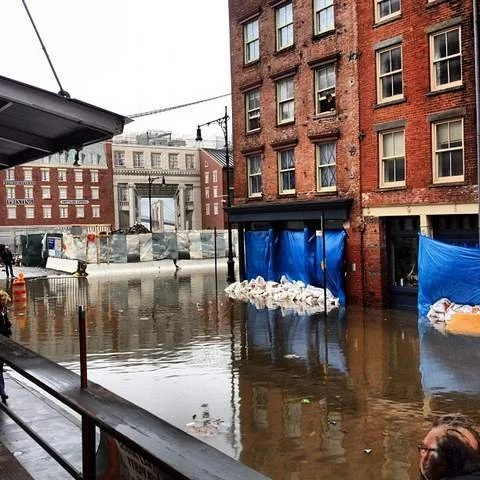
Hurricane Sandy aftermath 2012.- Photo: NY Post
In 2012 Hurricane Sandy caused severe flooding and extensive damage to the historic building and it was forced to stutter. Until its closure, it was the city's oldest continuous business establishment. It's also the Seaport's last wood framed building.
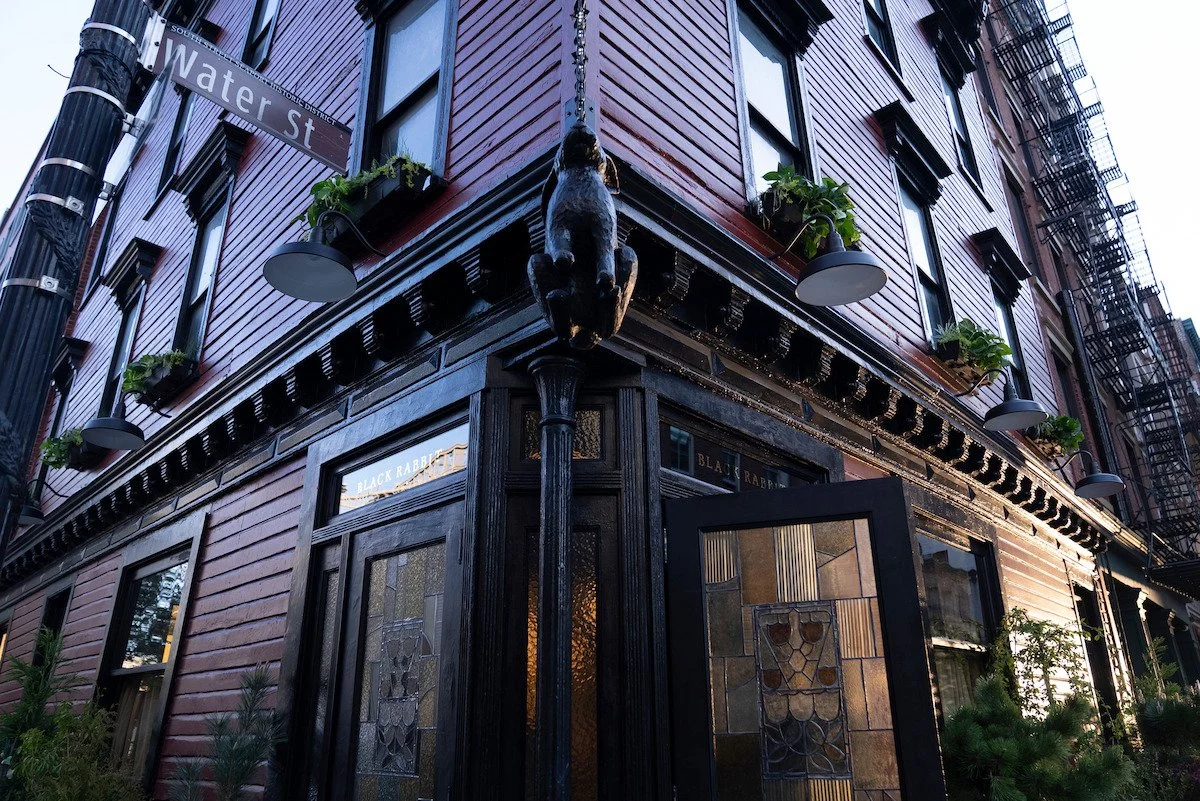
Photo: WikiCommons
Recently, 'Bridge Cafe NYC LLC' received approval from Community Board 1 to once again operate a real bar and restaurant at the location. The applicant, who previously ran 'Bar Clark' and 'Winnie’s' on Bayard Street, proposed restoring the space largely to its original form, bringing the historic tavern back much as it once was. Very exciting news!