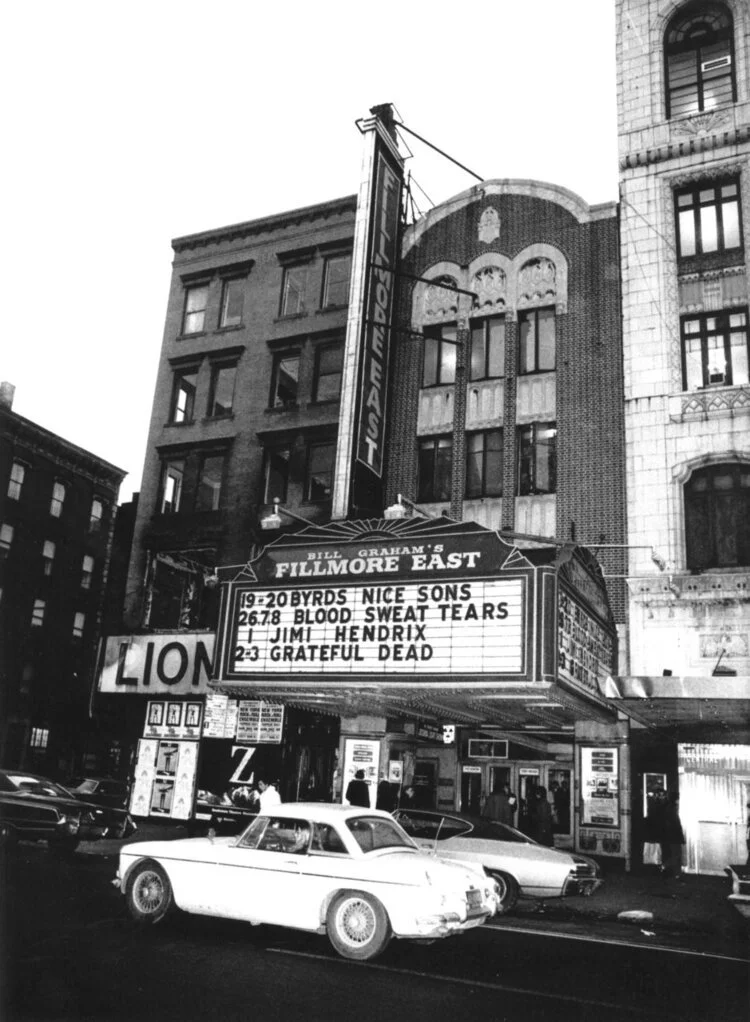
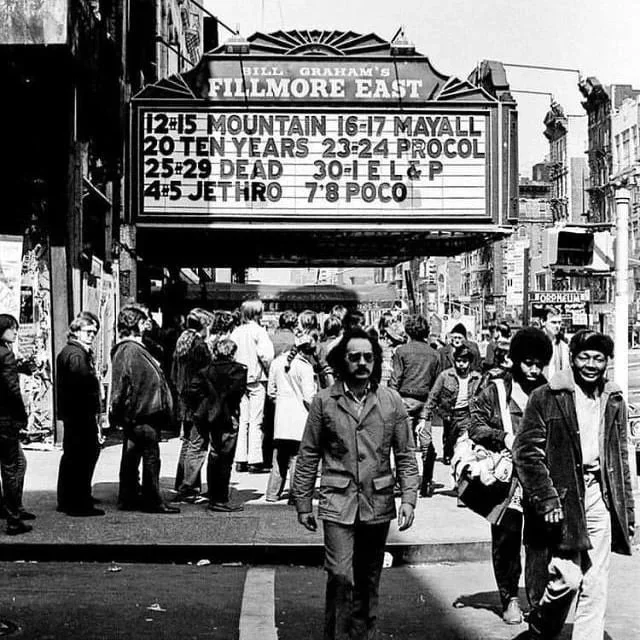
Imagine walking down Second Avenue in 1969 and seeing Jimi Hendrix, Led Zeppelin or The Who on the marquee of a neighborhood theater. Not some enormous arena like Madison Square Garden, just an old theater in the East Village that had become one of the most exciting music venues in the world.
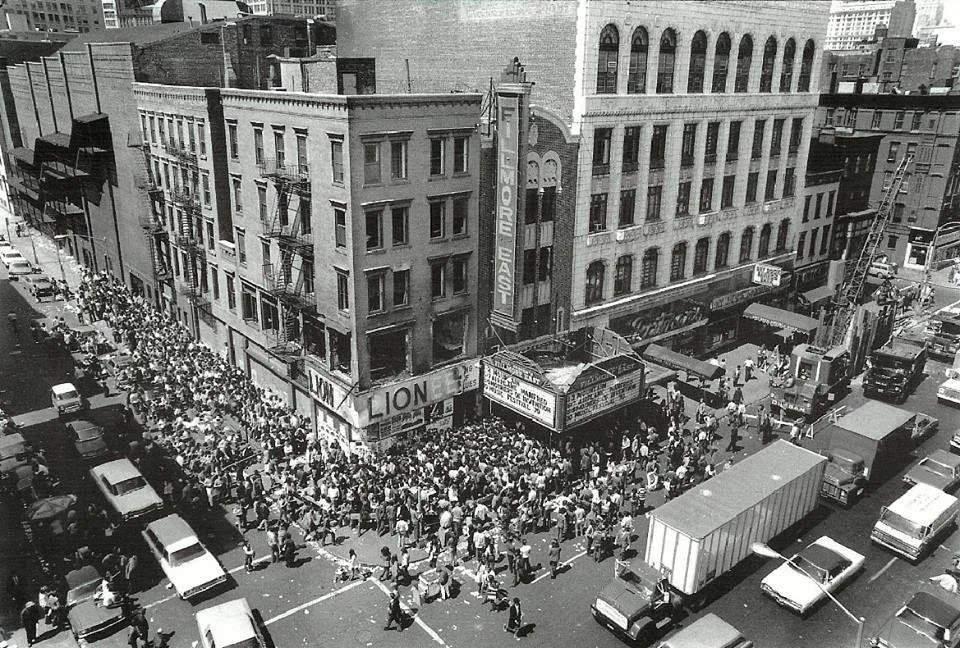
For a little more than three years, the Fillmore East was the place to see rock and roll in New York City. Nicknamed the Church of Rock and Roll, it hosted some of the greatest musicians of its generation, helped redefine the concert experience and became an essential part of the city's counterculture movement.
But what I find particularly fascinating is that the building had already lived an entirely different life before Bill Graham came along.
From the Jewish Rialto to Rock and Roll
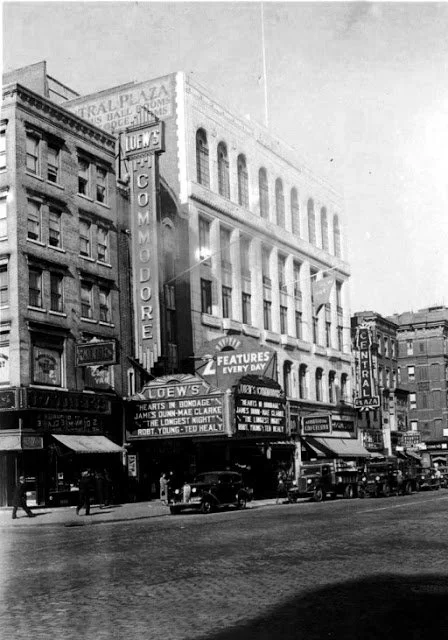
In 1925 the Commodore Theater opened at 105 Second Avenue. At the time, this stretch of the East Village was known as the Jewish Rialto, a bustling entertainment district filled with Yiddish theaters, restaurants and businesses serving the neighborhood's large Jewish immigrant population.
Second Avenue was the heart of this thriving cultural scene. Audiences came to see theatrical productions, musical performances and some of the biggest stars of the Yiddish stage. The Commodore was part of that extraordinary chapter in New York City's entertainment history.
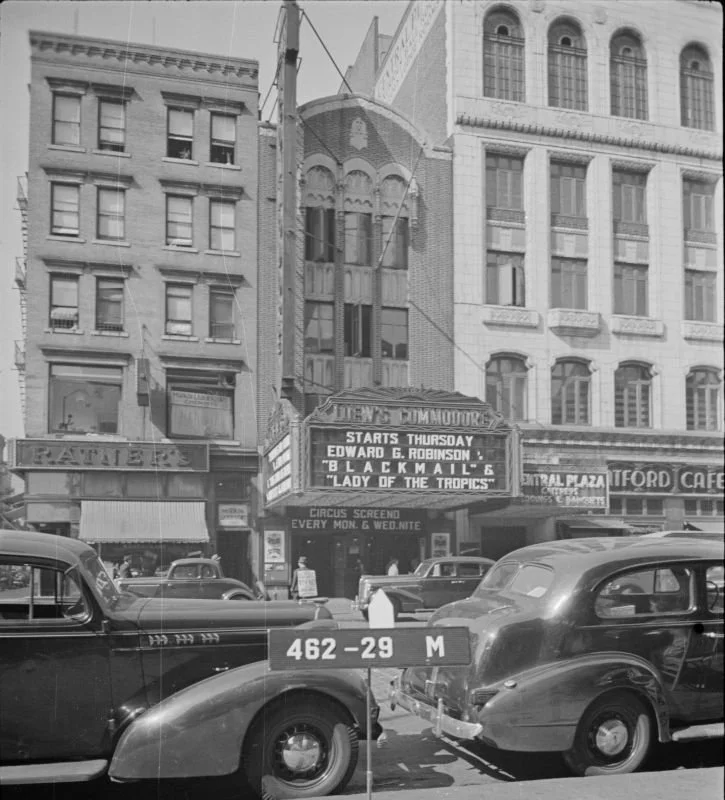
Eventually, the theater was acquired by Loew's and converted into a movie house. But as the neighborhood and entertainment industry changed, the building gradually lost its appeal.
By the late 1960s, the once vibrant theater had fallen into disrepair.
Then Bill Graham arrived.
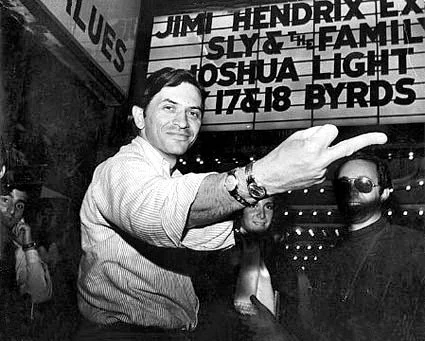
Bill Graham
Bill Graham and the Church of Rock and Roll
In 1968, concert promoter Bill Graham took over the former Commodore Theater and transformed it into the Fillmore East, the East Coast counterpart to his famous Fillmore music venues in San Francisco.
Graham had a vision for something more than an ordinary concert hall. He wanted audiences to experience live music in an entirely new way, with exceptional sound, dramatic lighting and an atmosphere that made every performance feel like an event. With approximately 2,700 seats, the Fillmore East was large enough to attract major performers but intimate enough for audiences to feel connected to the musicians onstage.
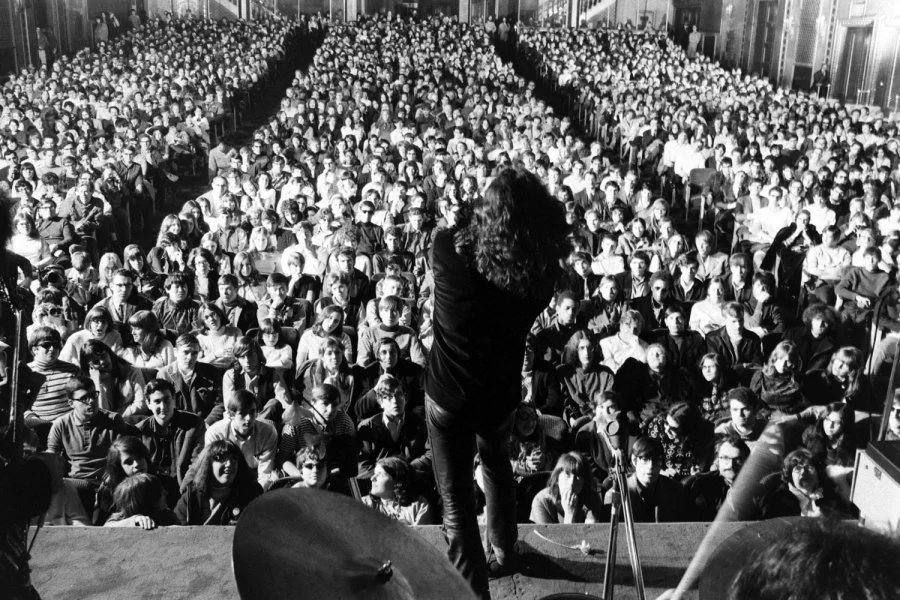
The Doors
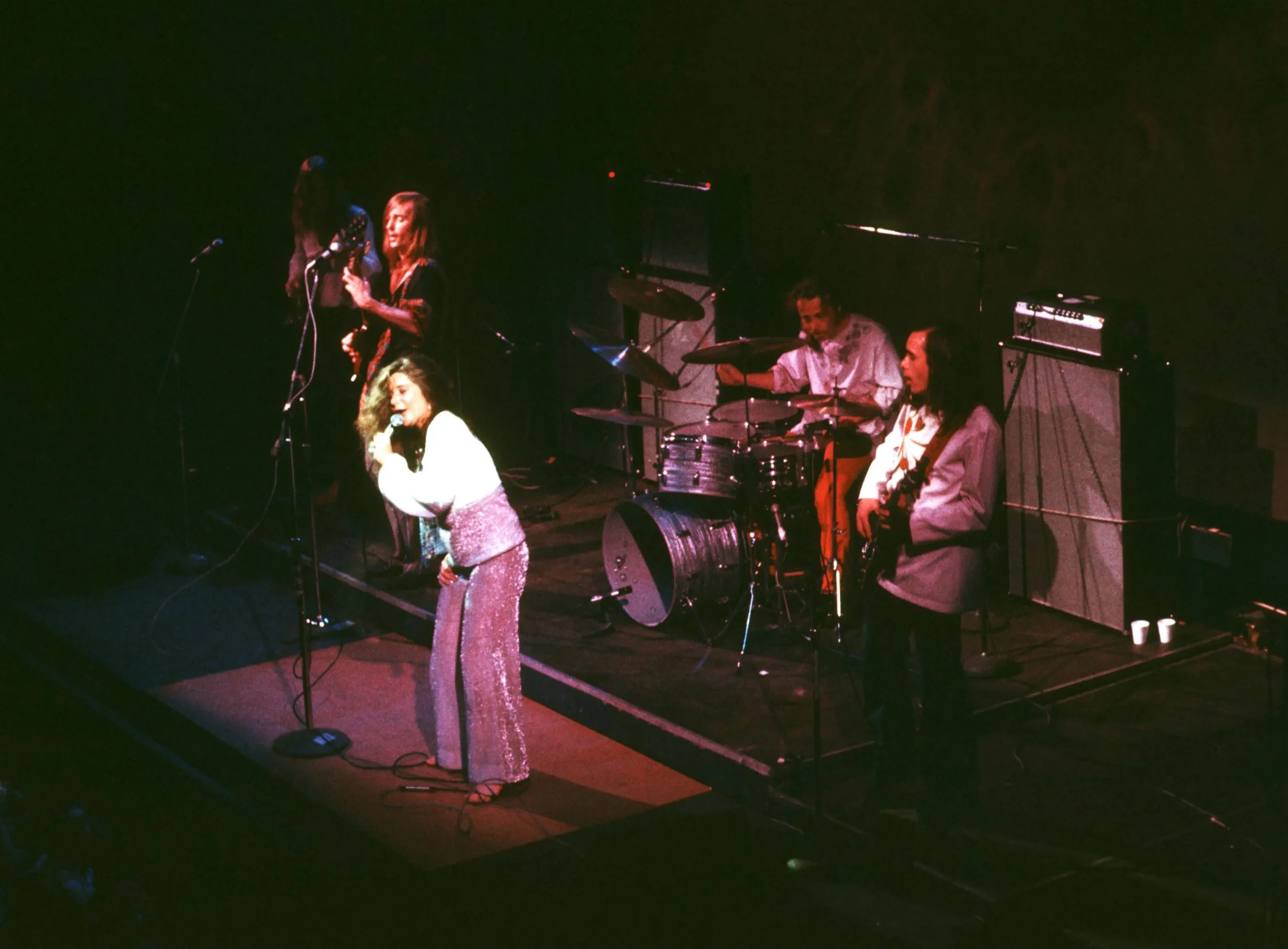
The lineups were epic. Jimi Hendrix, Led Zeppelin, The Who, The Doors, Janis Joplin, Chuck Berry and Tina Turner were just some of the legendary names who appeared at the Fillmore East.
It didn't take long for the venue to earn its nickname, the Church of Rock and Roll.
Three Extraordinary Years
What made the Fillmore East special wasn't simply the caliber of musicians who performed there. It was the entire experience.
Graham brought together an eclectic mix of rock, blues, jazz and experimental music, often featuring multiple acts on the same bill. Audiences could discover an unfamiliar artist and then watch one of the biggest names in music take the stage later that evening.
The venue became known for its sophisticated sound and lighting systems, psychedelic imagery and concerts that sometimes continued well into the early hours of the morning.
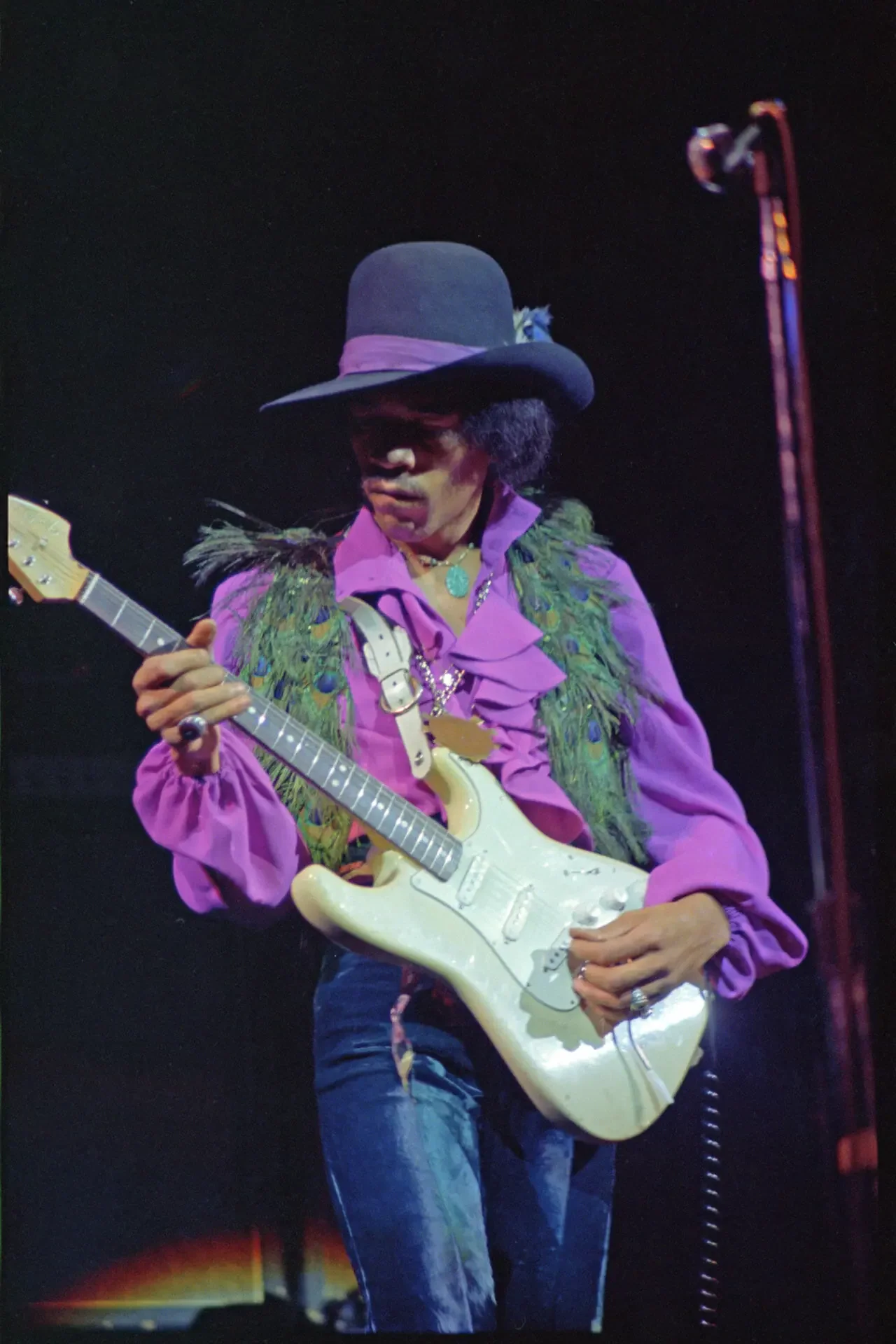
Jimi
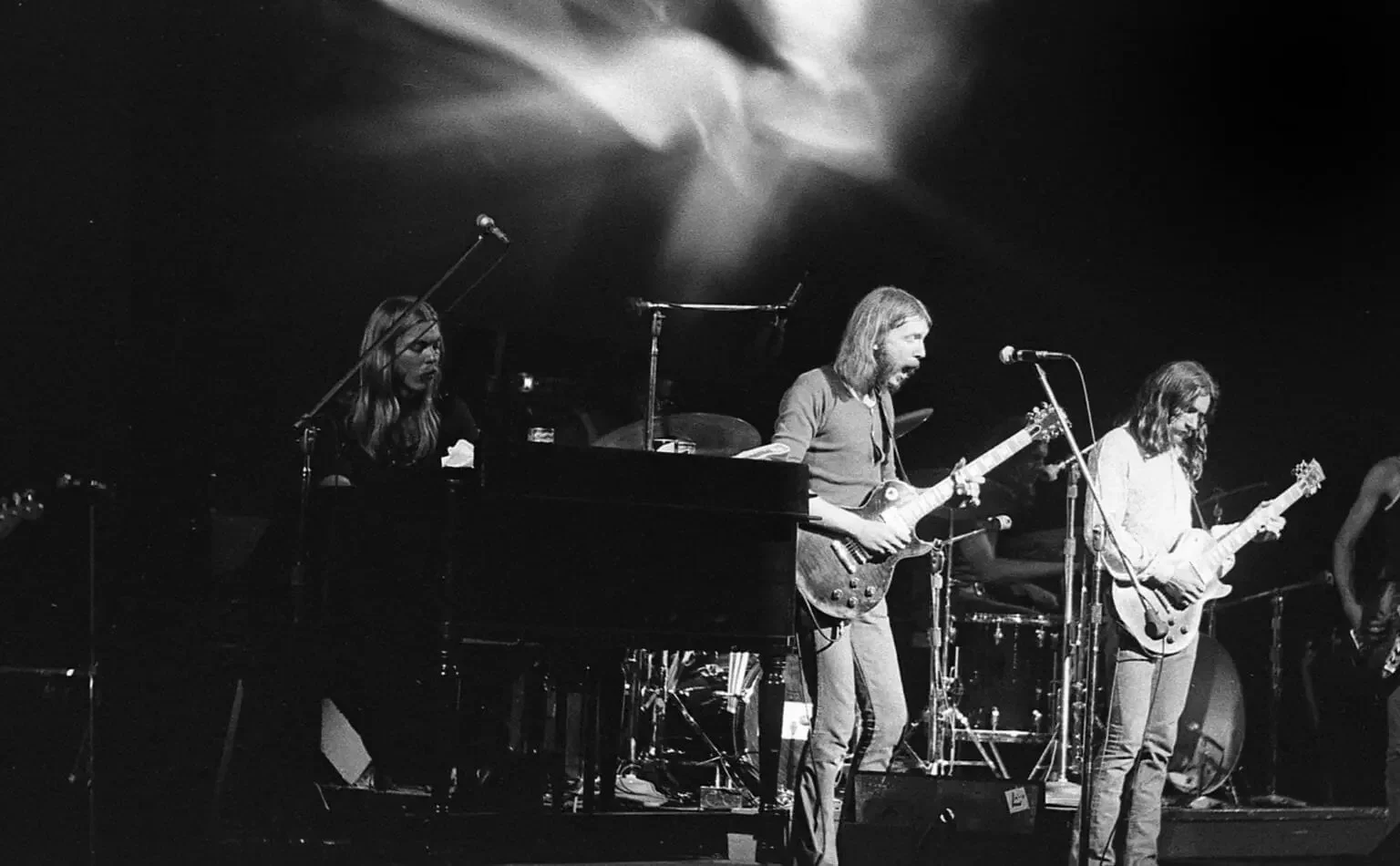
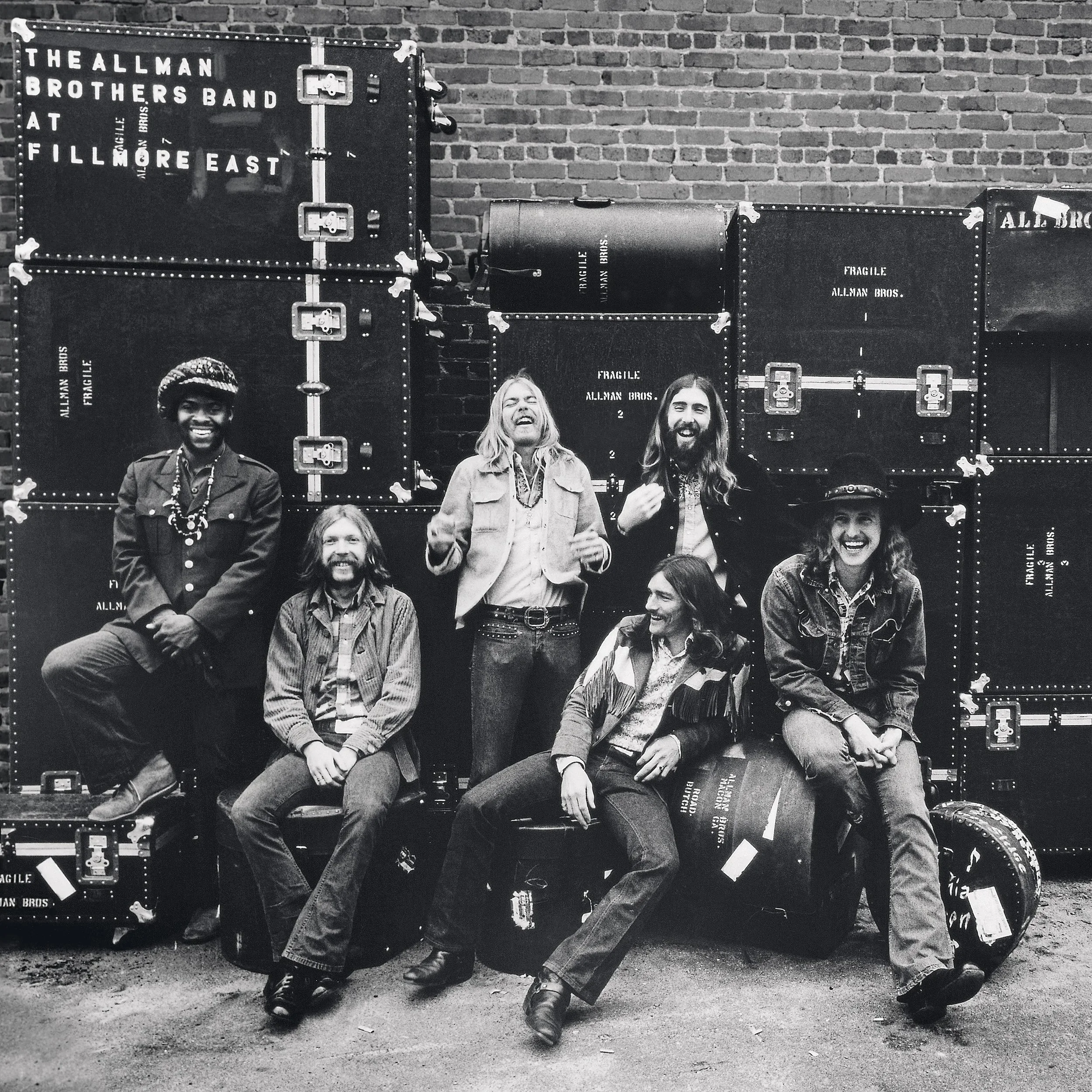
The Allman Brothers Band
At Fillmore East
One of the greatest live albums of all time, in my opinion, of course, is the Allman Brothers Band's At Fillmore East, recorded over three nights in March 1971. It's just so good. I can only imagine what it must have been like to be in that audience, watching the show, without having the slightest idea that you were witnessing a moment in rock and roll history. Where’s my time machine?
The Fillmore East became a gathering place for a generation looking for new sounds, new ideas and a different way of experiencing the world.
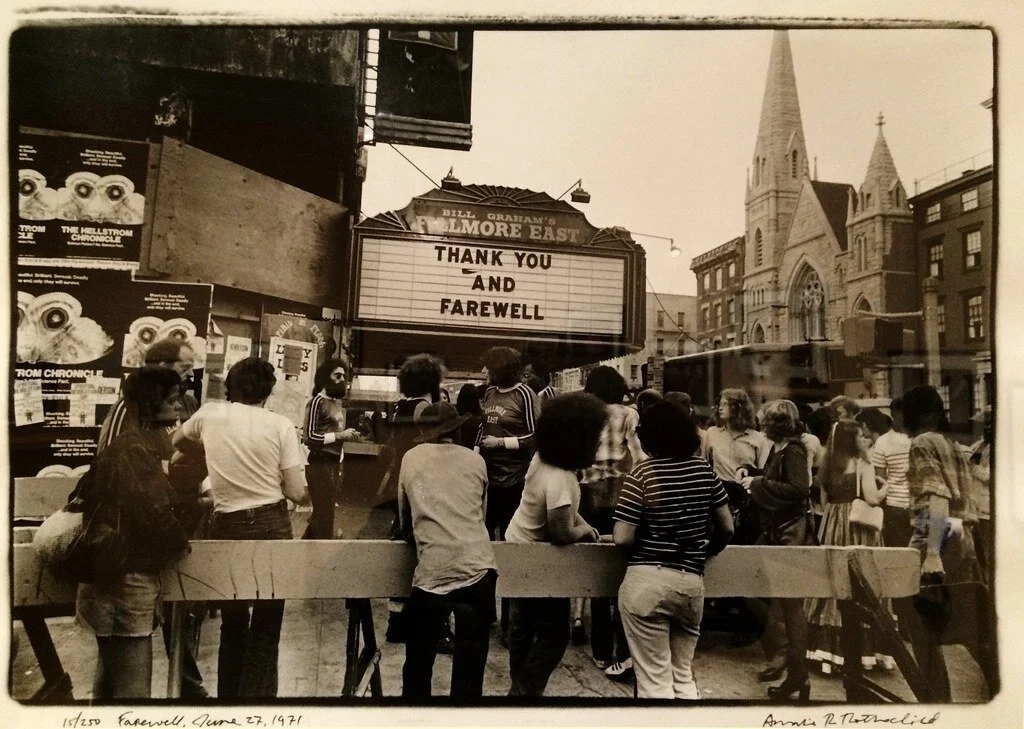
The Final Concert
Despite its extraordinary success, the Fillmore East wasn't destined to last.
By 1971, the music industry was changing and the economics of operating concert venues were becoming increasingly difficult, and Graham decided to close both the Fillmore East and Fillmore West.
On June 27, 1971, the Fillmore East held its final invitation only concert.
The Allman Brothers Band, the J. Geils Band and Albert King were among the performers who took the stage for one last celebration.
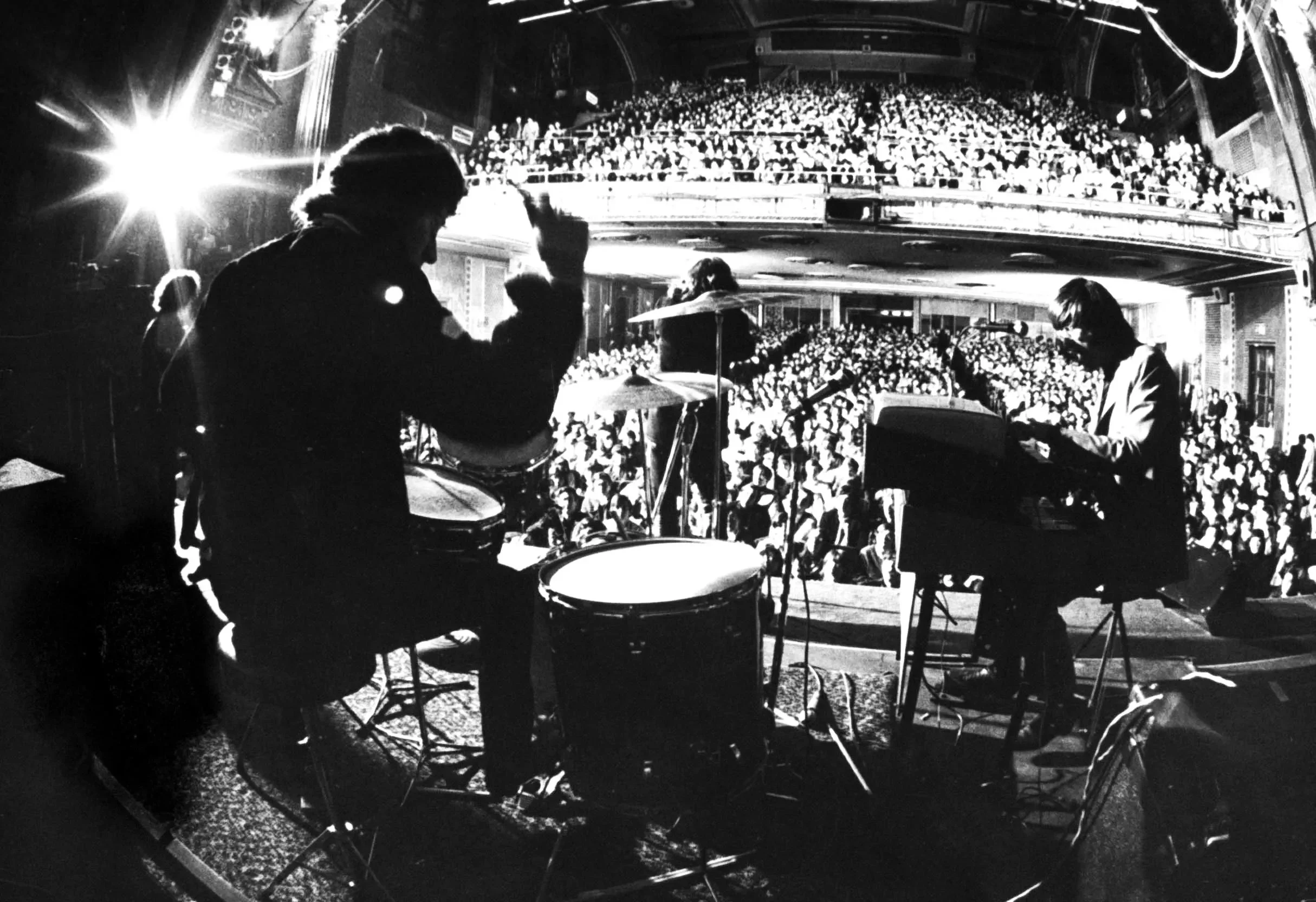
The Doors
The next time you're strolling down Second Avenue, take a moment to stop at 105 Second Avenue and give a salute to The Church of Rock and Roll.
In case you were wondering… the original auditorium was demolished in the 1990s, but the historic entrance area survives.