The Meatpacking District
This place was infamous for sex clubs in the 1980s… but its real history goes back centuries.
Long before nightclubs and designer boutiques, the Lenape operated a seasonal trading site called Sapohanikan along the Hudson River. A footpath from the shoreline ran inland and eventually became Gansevoort Street, aligned so precisely that Manhattanhenge still lines up there during the equinoxes.
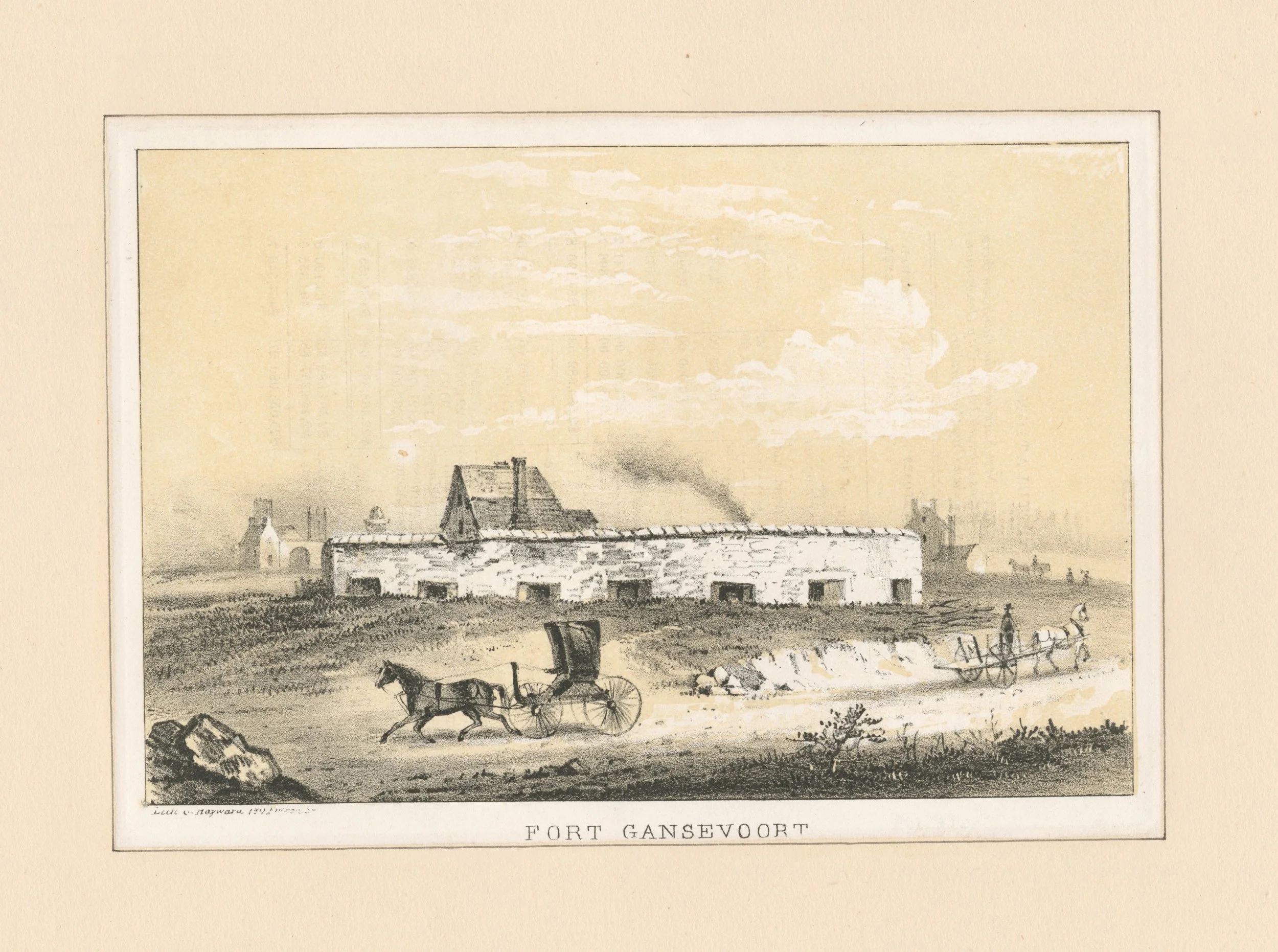
Illustration - NYPL Digital Archives
The New Theatre in 1909. - Photo: NYPL Digital Archives
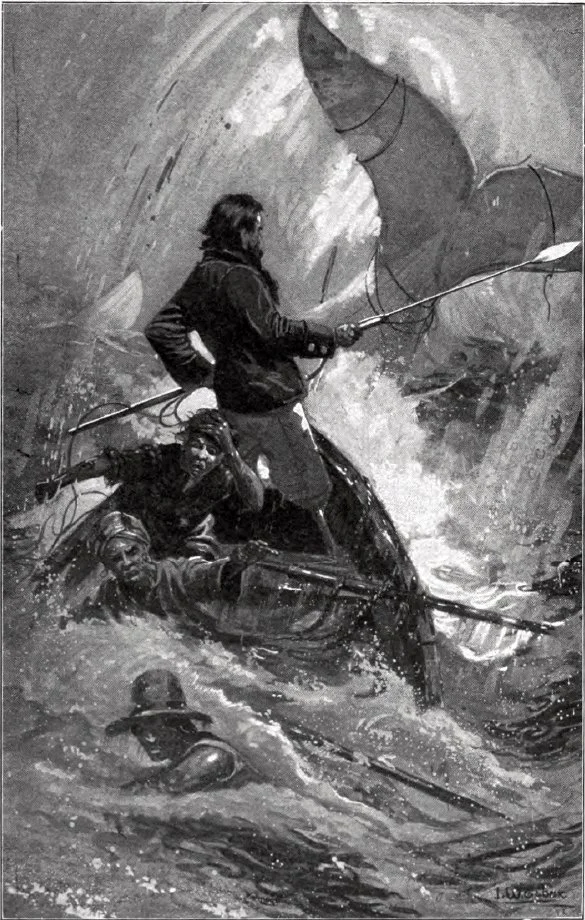
After the Revolution, Fort Gansevoort was built near the river to guard the harbor, named for officer Peter Gansevoort, who also happened to be the grandfather of Moby-Dick author Herman Melville.
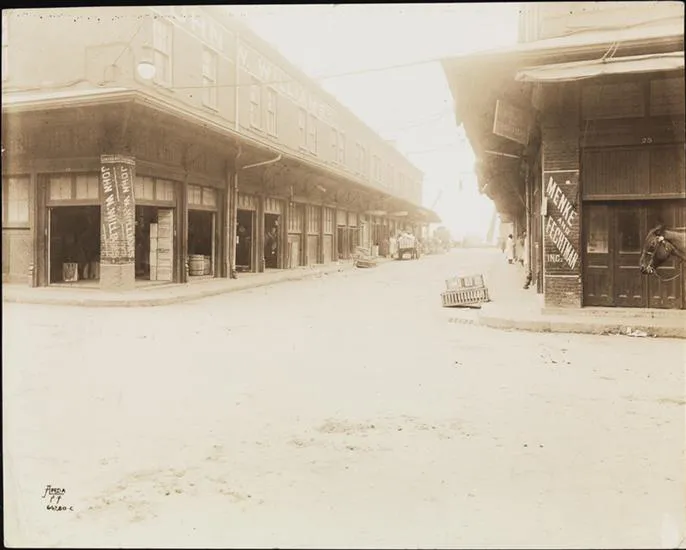
The Meatpacking District, date unknown - Photo: MCNY
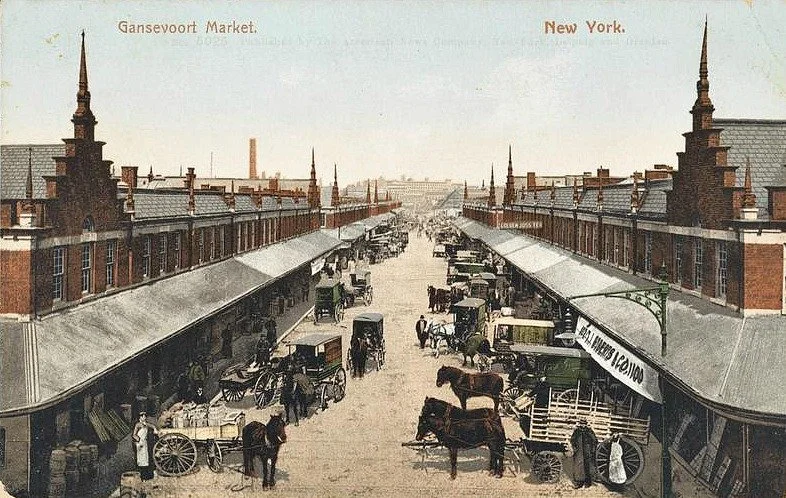
Gansevoort Market in 1905. - Photo: MCNY
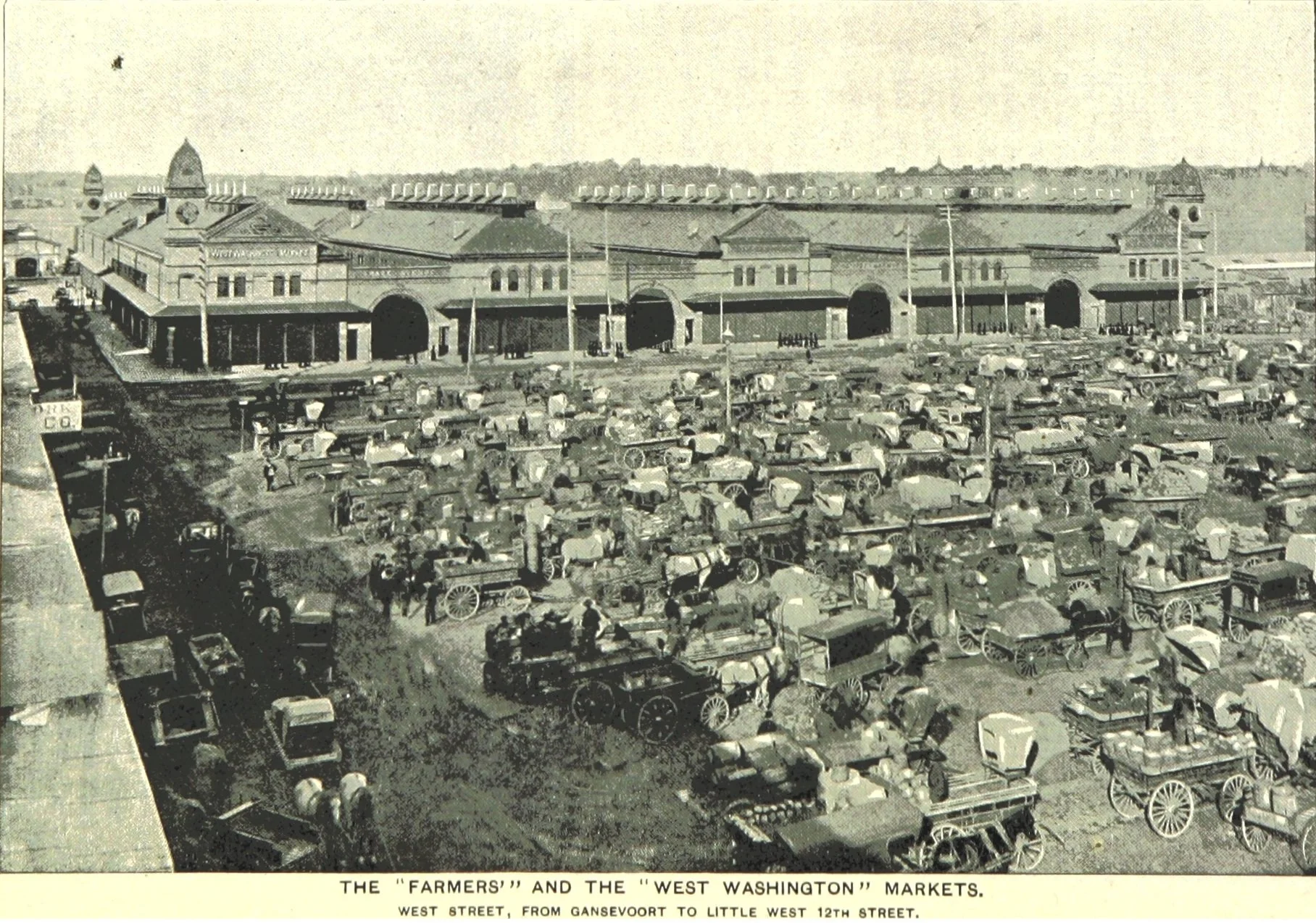
Washington Market in 1893. - Photo: MCNY
By the mid 1800s the fort was gone, replaced by rail yards of the Hudson River Railroad. Industry crept in, and after the Civil War the neighborhood transformed into infrastructure. In 1879 the Gansevoort Market opened as an open air produce exchange, followed in 1884 by the massive West Washington Market, a complex dedicated to meat, poultry, and dairy along the waterfront.
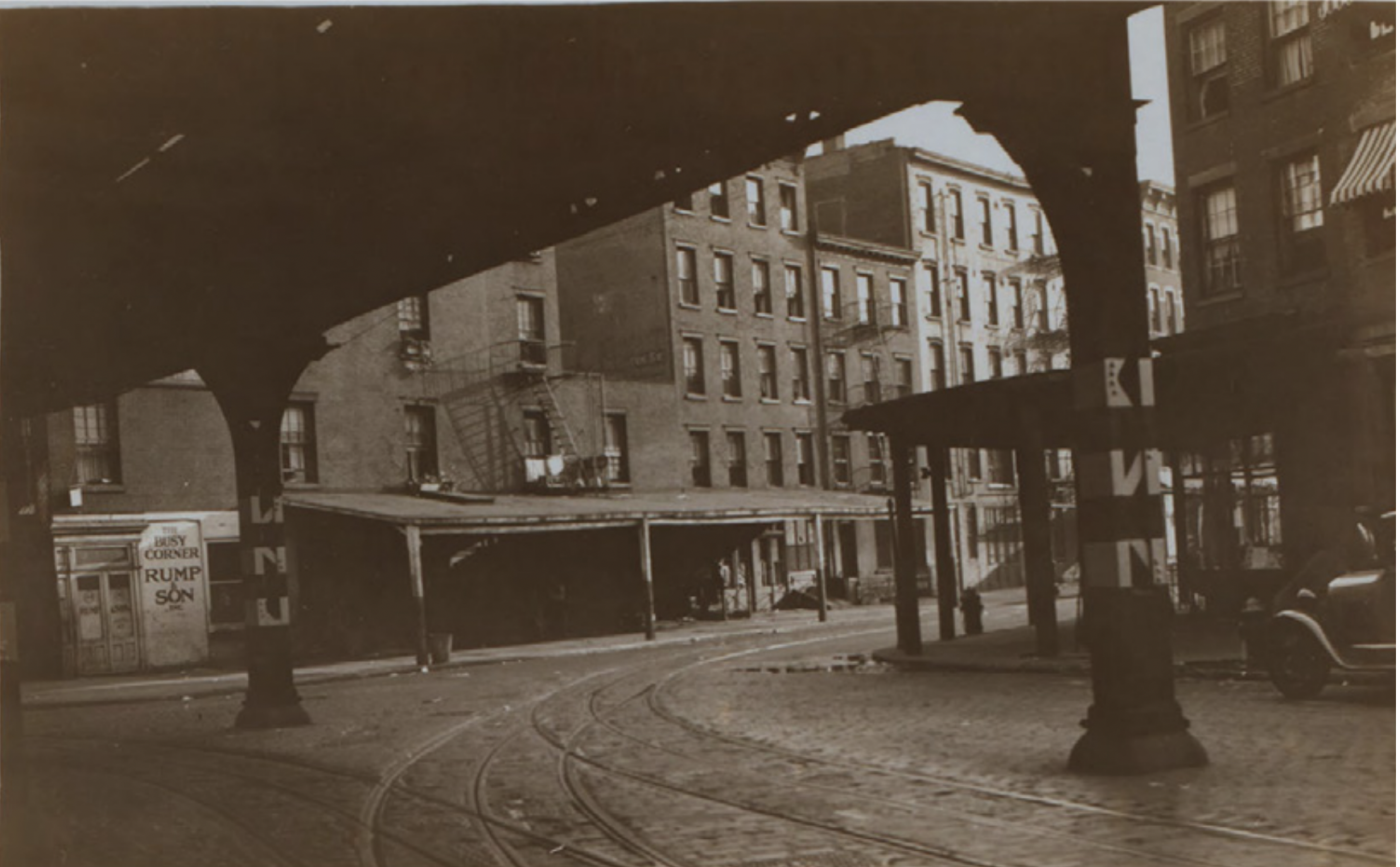
Photo: NYPL Digital Archives
By 1900 more than 250 slaughterhouses and packing plants operated here. The district became the beating heart of New York’s food supply, a working waterfront of blood, steam, and freight cars. In 1929 the elevated freight railway we now call the High Line was built to run directly through the buildings, keeping trains off the dangerous streets below.
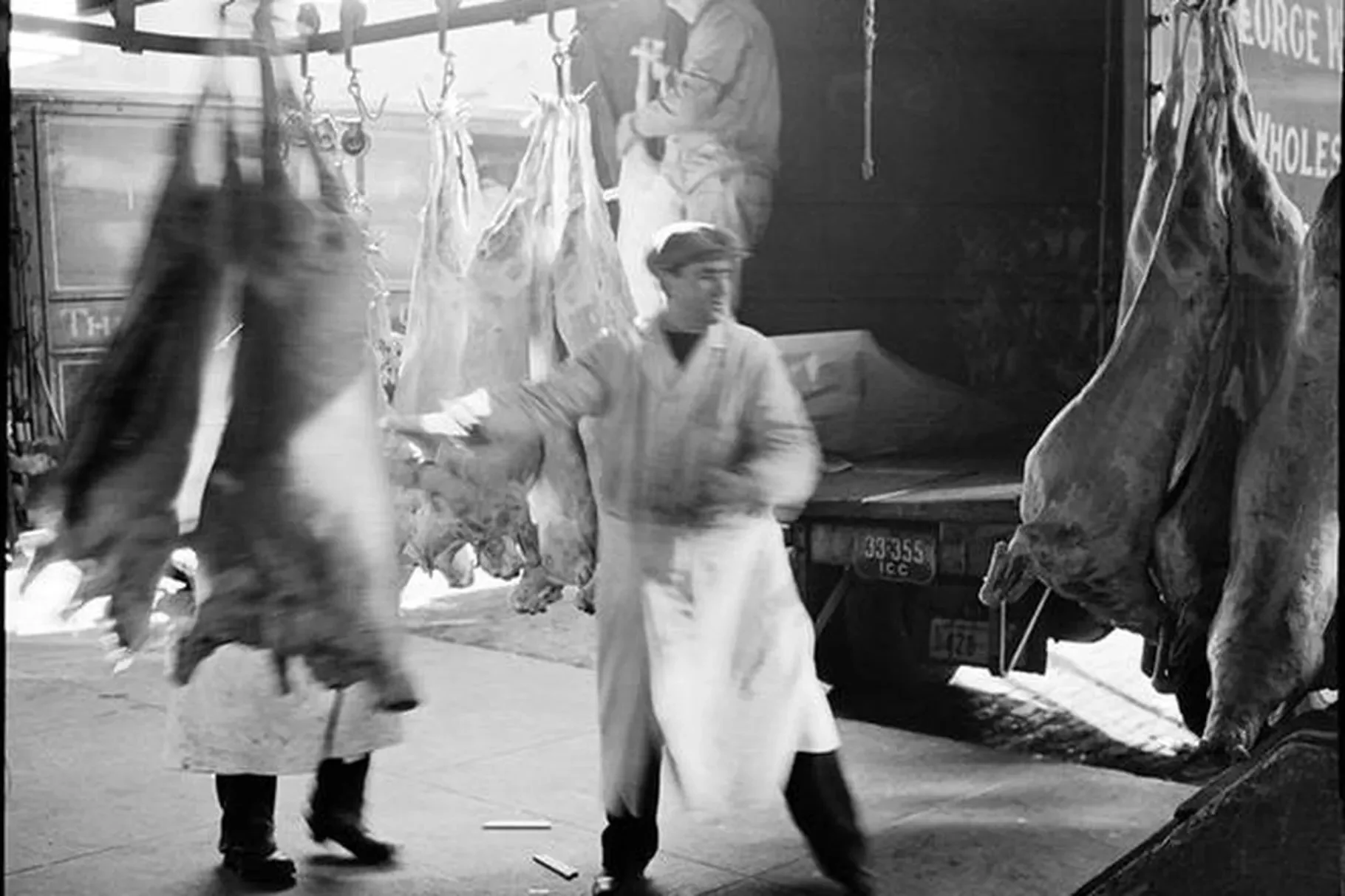
Photo: MCNY
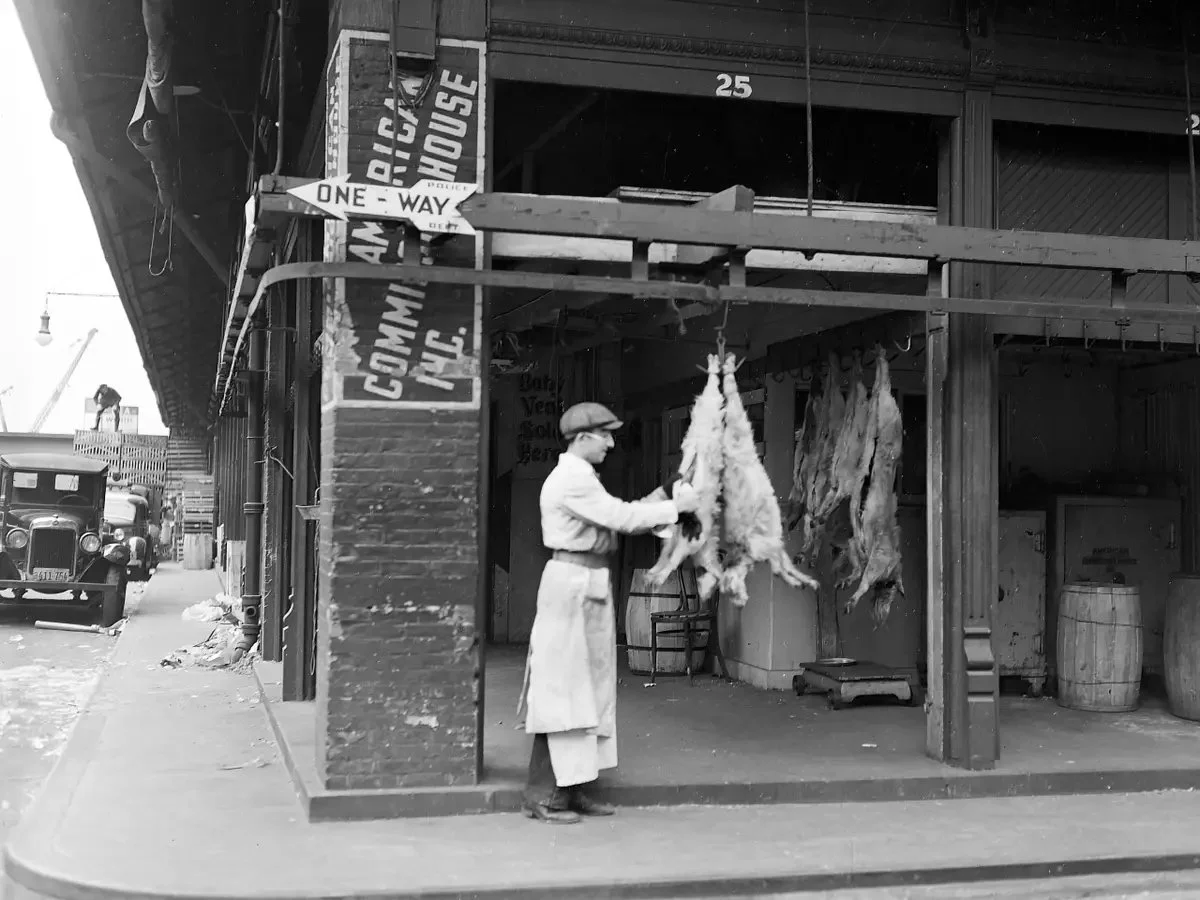
Photo: MCNY
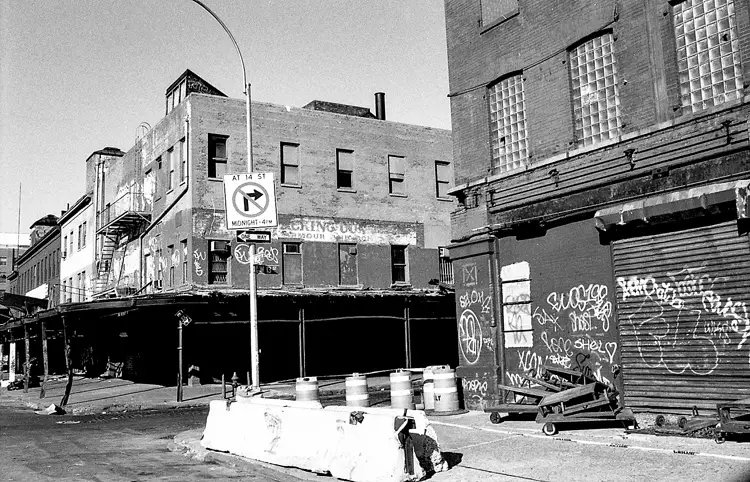
Photo: NYPL Digital Archives
But new technology ended it. Container shipping, refrigerated trucking, supermarkets, and national distribution made local packing obsolete. By the 1960s the industry collapsed, leaving behind empty warehouses and cobblestones slick from decades of work.
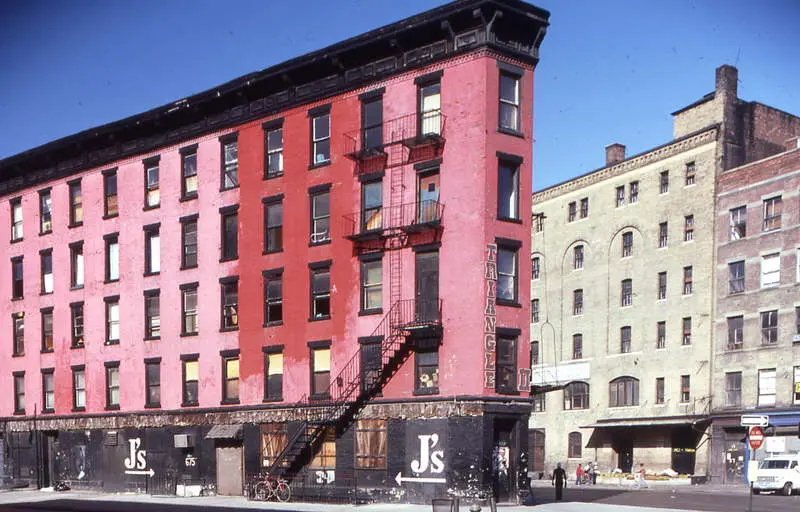
Photo: MCNY
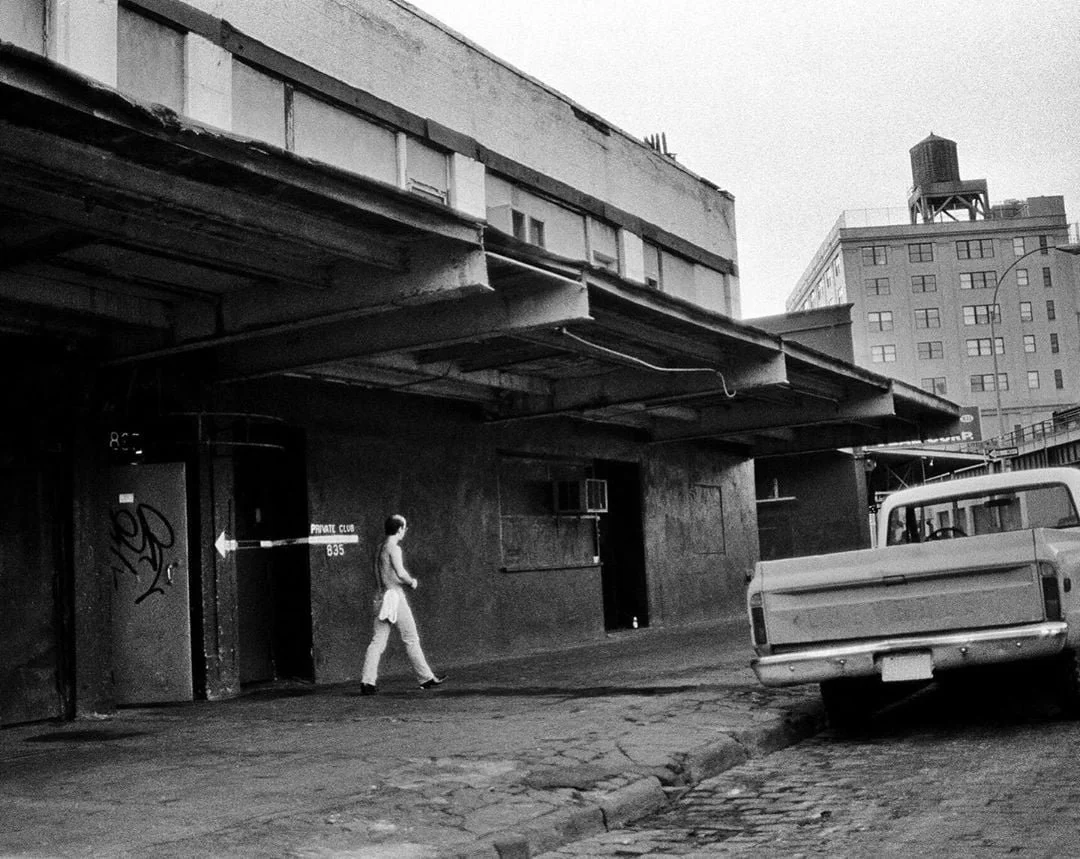
Photo: MCNY
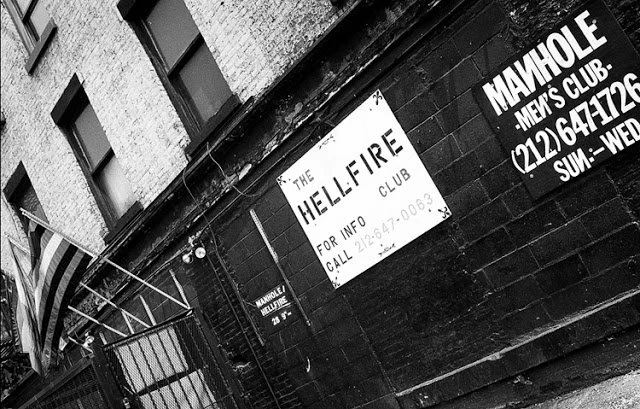
Then came the after-hours era. In the 1970s and 80s the abandoned district filled with underground clubs, artists, nightlife, and notoriety. Places like The Anvil, The Manhole, Hellfire Club, and the Mineshaft turned the neighborhood into one of the wildest corners of Manhattan.
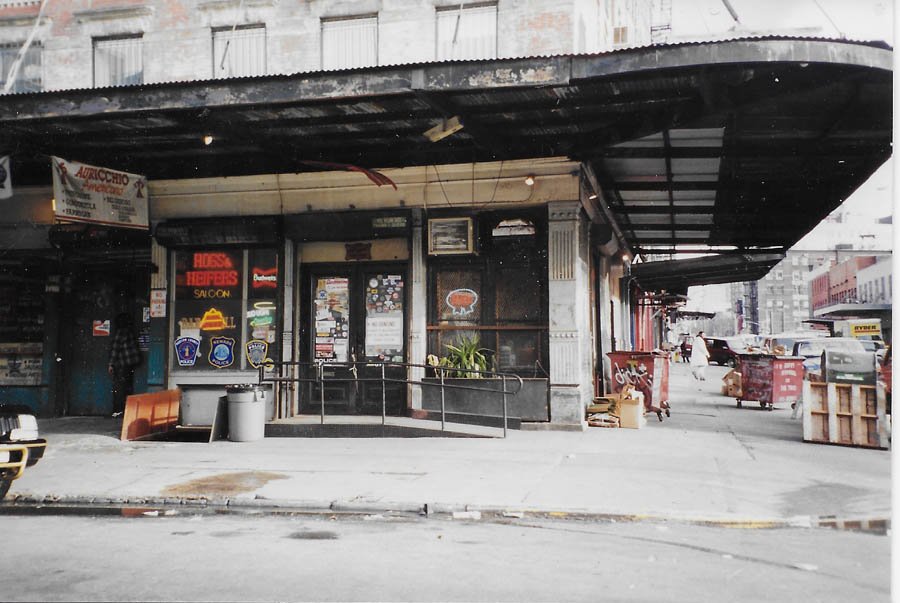
Hogs & Heifers - Photo: Unknown
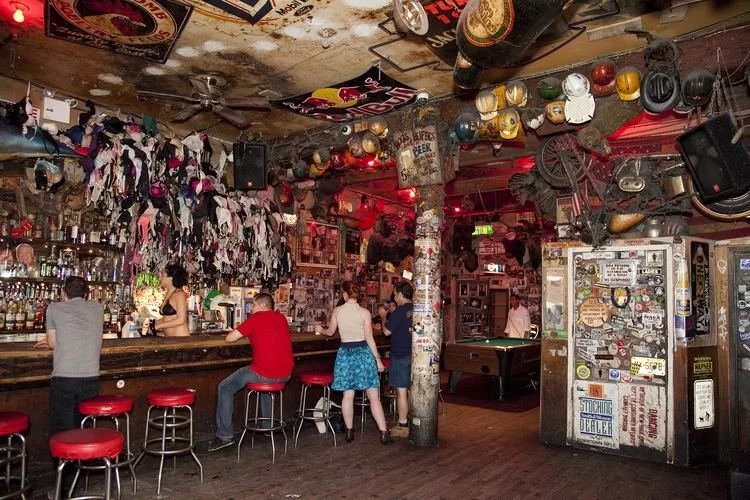
Hogs & Heifers - Photo: Unknown
We also have to mention Hogs & Heifers, the famously rowdy biker bar where dancing on the bar wasn’t just allowed, it was expected. I once had my birthday party here long ago before it closed down.
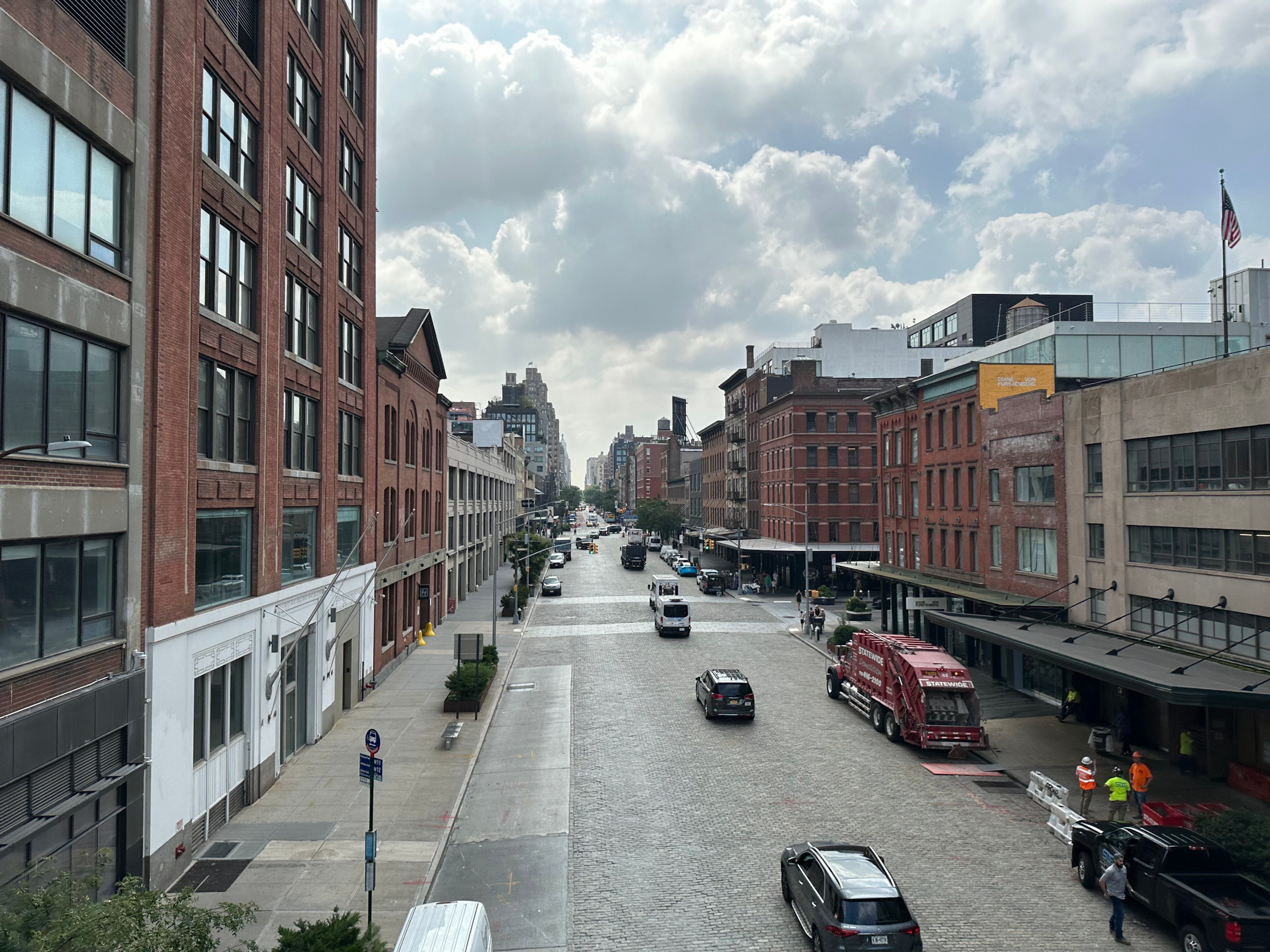
Photo: WikiCommons
And then it reinvented itself again.
In the 1990s and 2000s fashion, galleries, and luxury development moved in, followed by the High Line park, transforming an industrial zone into one of the most expensive neighborhoods in the city.
I find it wild that beneath the fancy boutiques and high-end restaurants you’re still walking the same streets that once fed the entire city with its vast open air markets over 100 years ago.